A company of Xianheng international
 EN
A company of Xianheng international
EN
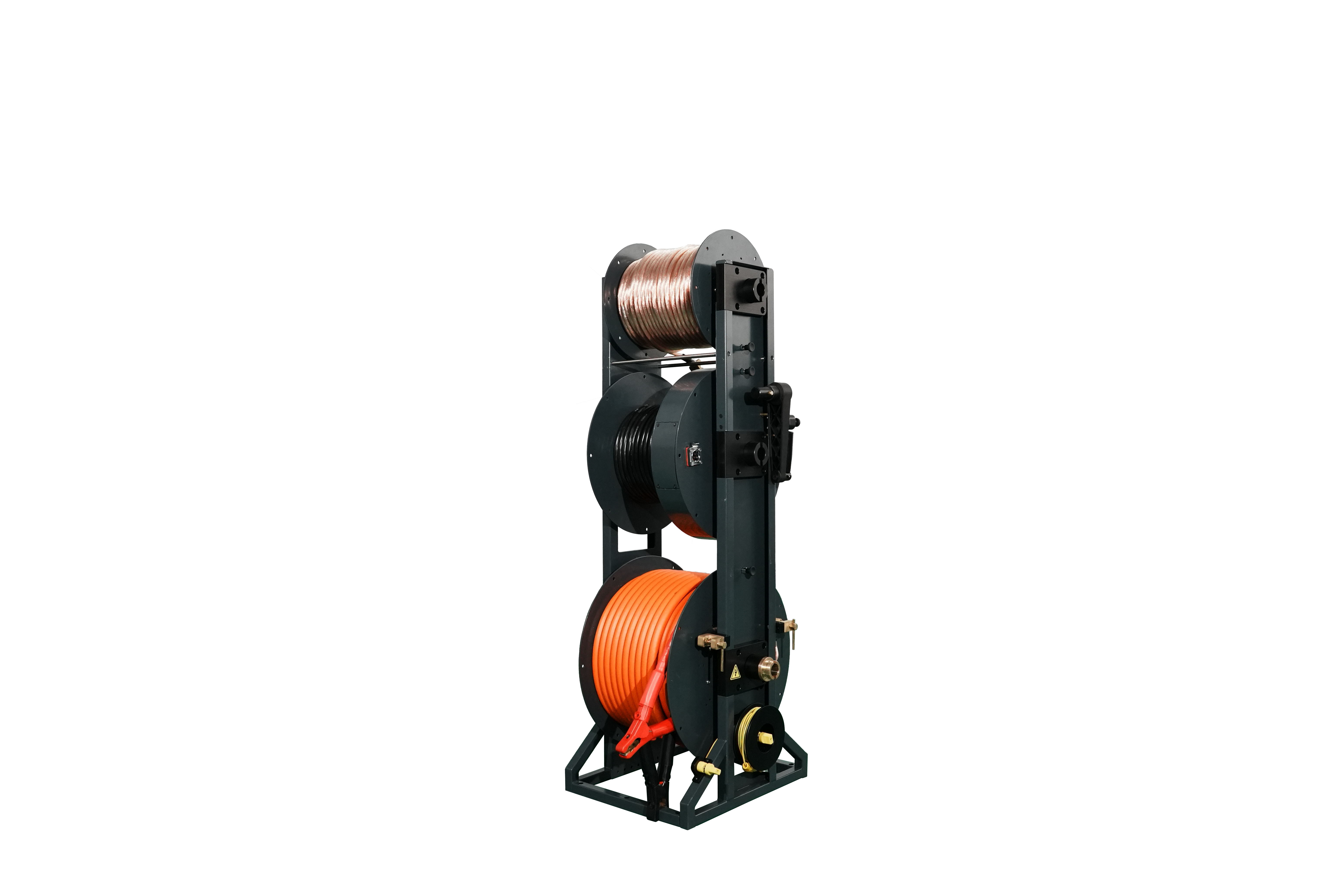
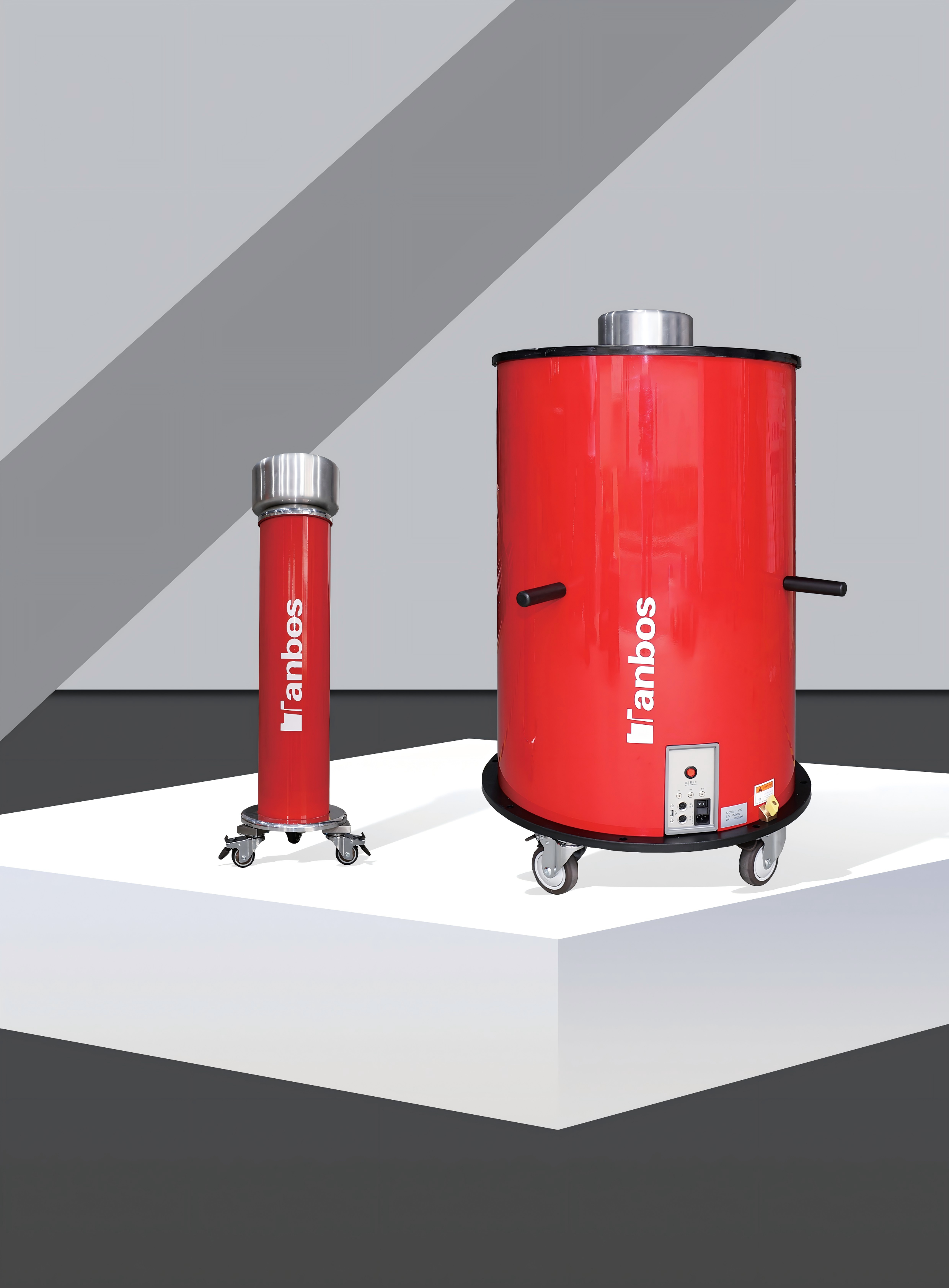
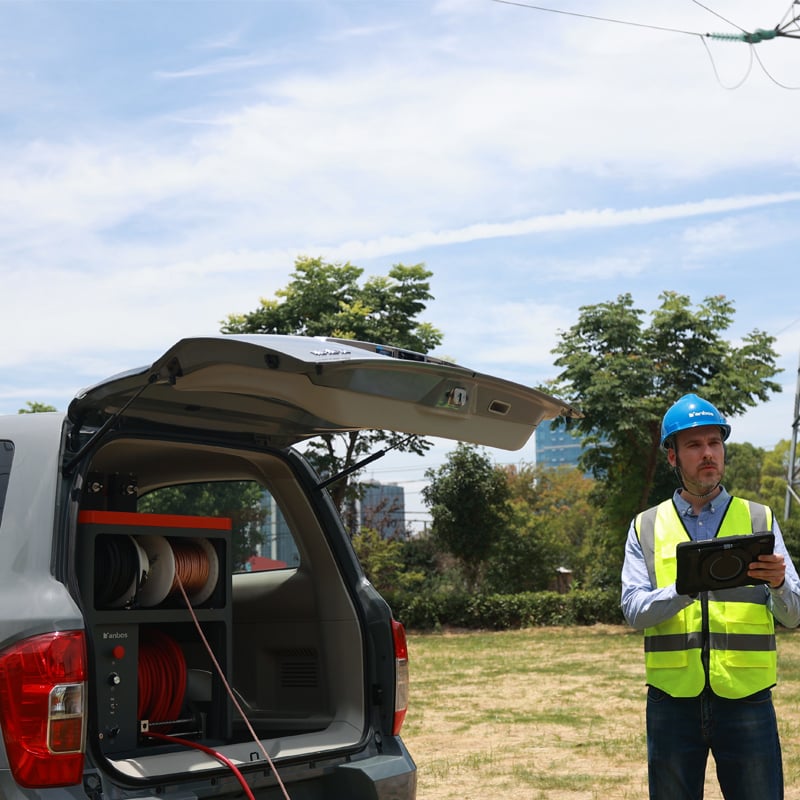
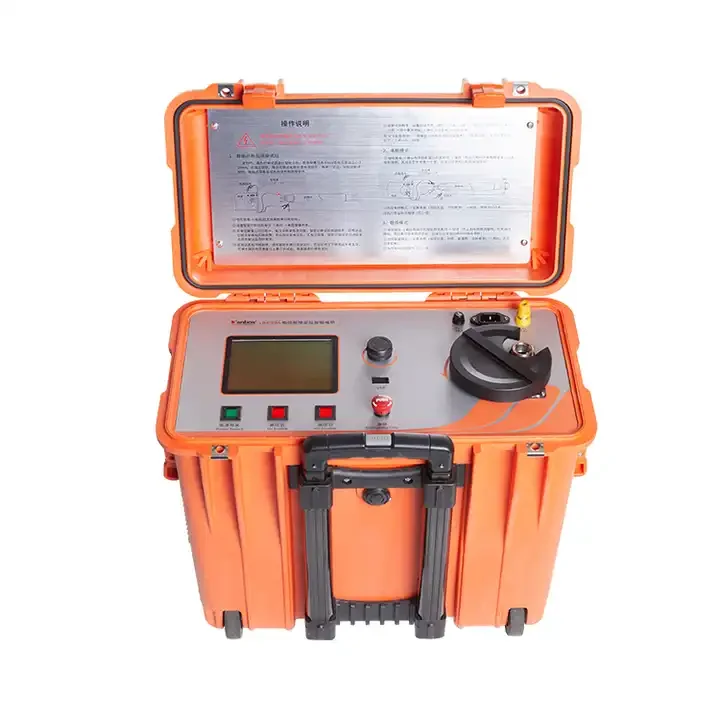
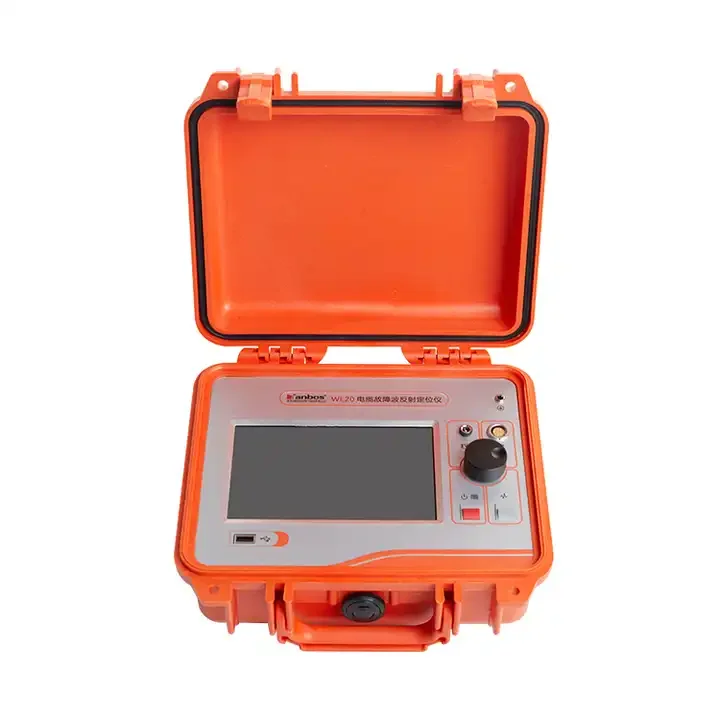
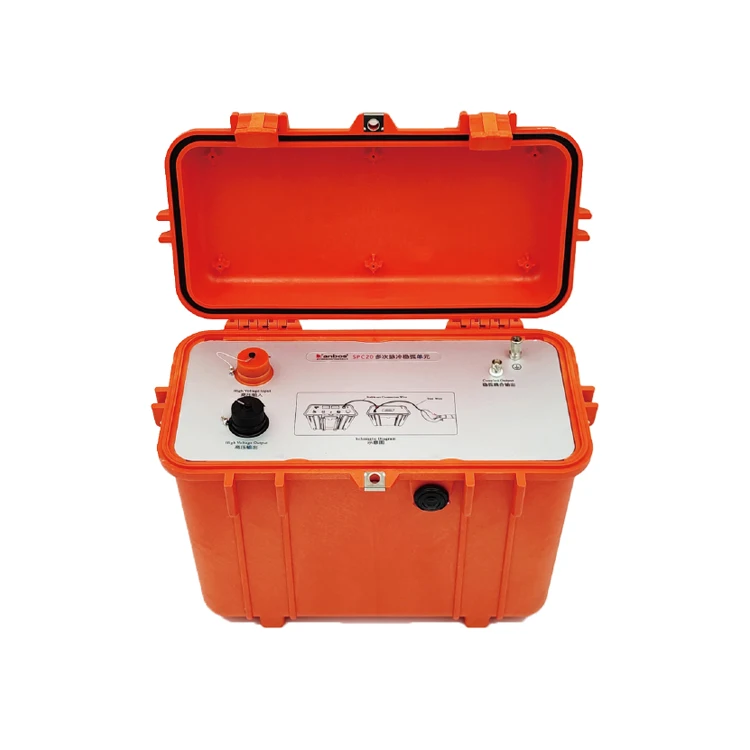
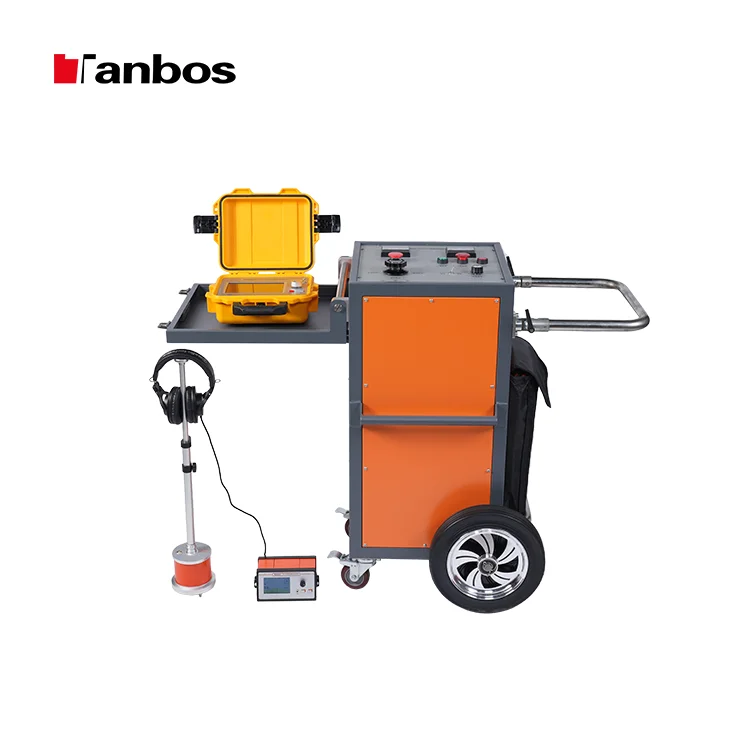
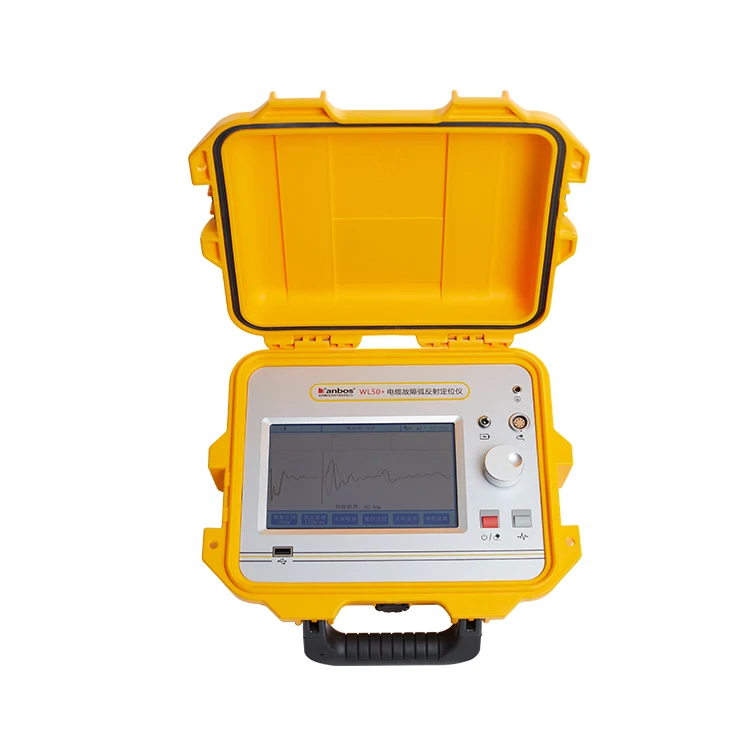
Cable fault location services are essential for ensuring the reliability and safety of electrical systems, particularly in industrial and commercial settings. These services help identify faults in cables and overhead lines, minimizing downtime and maintenance costs. As a B2B buyer, your main concerns may include the accuracy, speed, and cost-effectiveness of these services. This article will provide insights into how to evaluate cable fault location services, understand the costs of Tanbos cable fault detector, explore their applications across various industries, and identify reliable suppliers, all while emphasizing the technical expertise necessary for effective solutions.
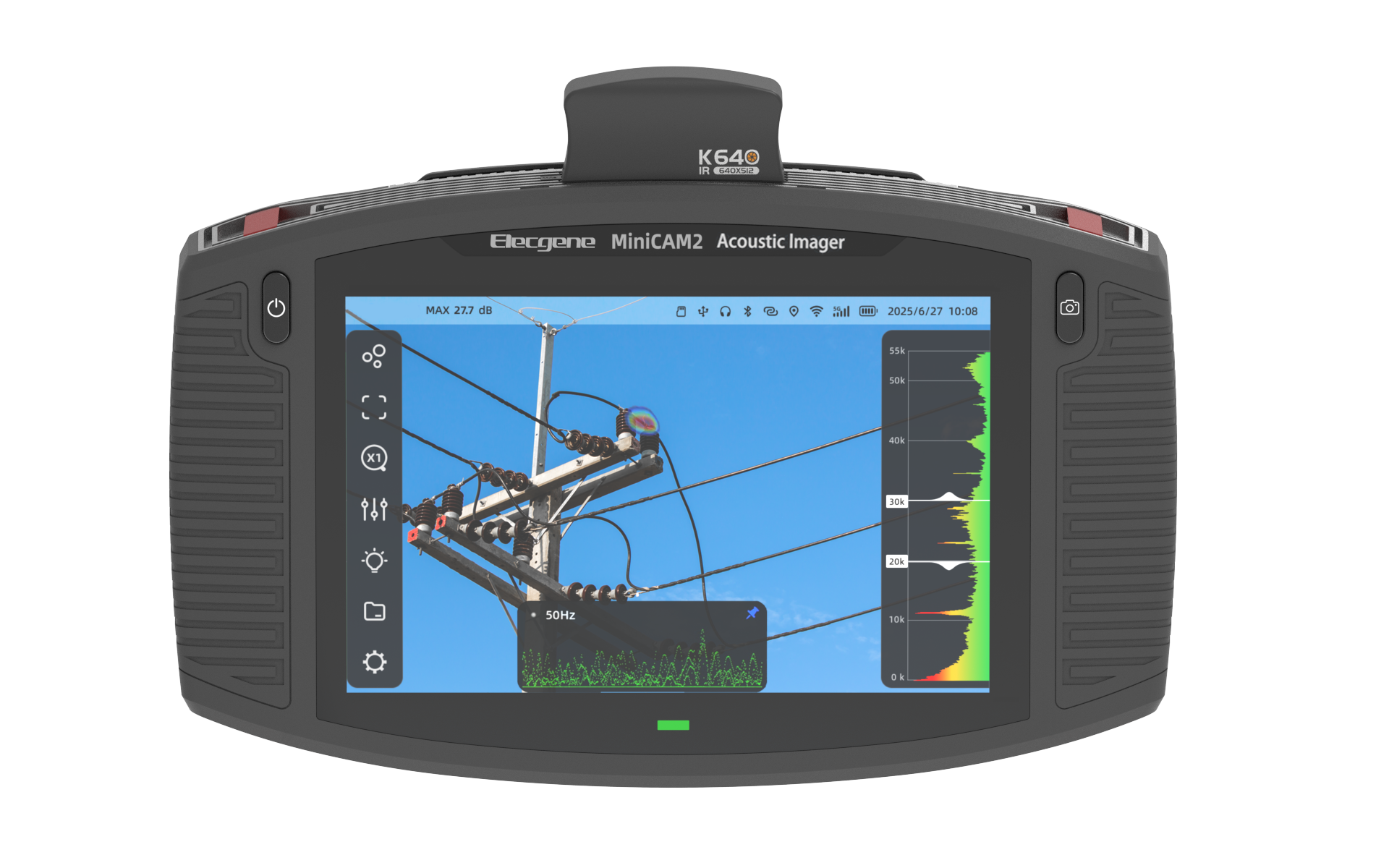
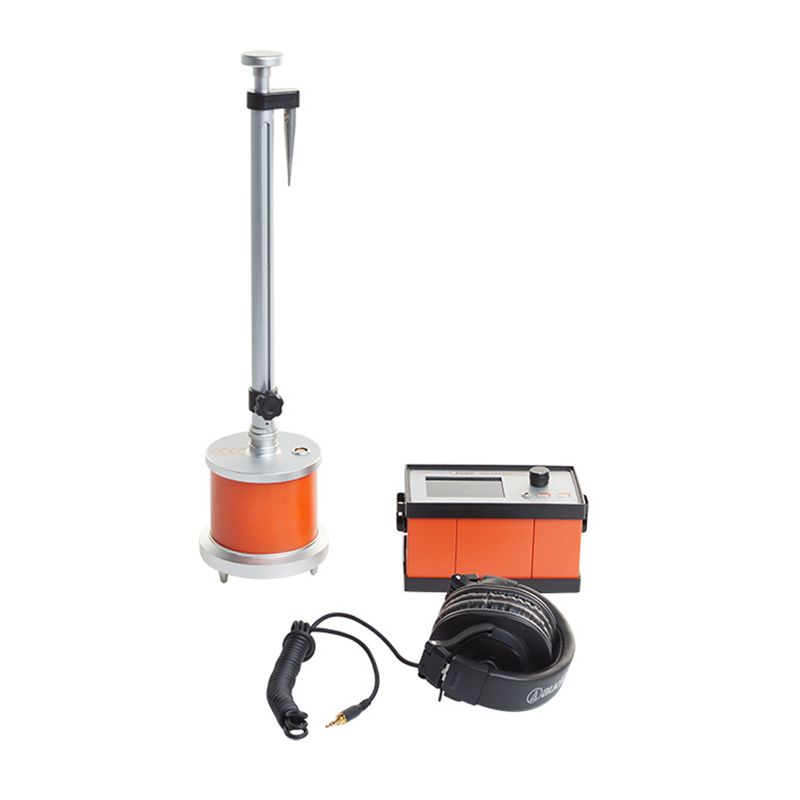
When comparing cable fault location services, consider several key factors that can influence your purchasing decisions. First, assess the technology used in the fault detection process. Advanced equipment, such as time-domain reflectometers (TDR) and acoustic sensors, can provide more precise location data, which is crucial for quick repairs.
Next, evaluate the service provider's experience and reputation. A company with a proven track record in the industry, like Tanbos, which specializes in intelligent early warning and fault diagnosis equipment, can offer more reliable services due to their expertise in cable testing and diagnostics.
Additionally, consider the customization options available. Different electrical systems may require tailored solutions depending on their specific configurations and operational environments. Ensure that the provider can accommodate your unique requirements.
Lastly, analyze the feedback from previous clients. Testimonials and case studies can provide valuable insights into the effectiveness of the services offered. Look for providers who demonstrate a commitment to customer satisfaction and have successfully resolved similar issues in your industry.
The costs associated with cable fault location services can vary widely based on several factors. One of the primary considerations is the complexity of the fault. More intricate issues may require advanced technology and longer service times, increasing the overall cost.
Another crucial factor is the type of equipment used. High-quality, state-of-the-art diagnostic tools can lead to more accurate results but may come with higher rental or service fees. Additionally, consider the training and expertise of the technicians performing the service; experienced professionals may charge more but can save your company money in the long run by reducing the likelihood of repeated faults.
Location and accessibility of the site also play a role in cost. If the cables are difficult to reach or situated in hazardous environments, this may require specialized equipment or additional safety measures, further affecting the total service cost.
Finally, always clarify what is included in the quoted price. Some providers may offer a comprehensive package that includes follow-up services, while others may charge separately for additional diagnostics or reporting.
Cable fault location services are vital across multiple industries, including manufacturing, telecommunications, transportation, and utilities. In manufacturing, these services help maintain operational efficiency by quickly identifying and rectifying electrical issues that could lead to production delays.
In telecommunications, the reliability of cable systems is paramount for uninterrupted service. Fault location services ensure that any disruptions are swiftly addressed, minimizing downtime for customers. Similarly, in the transportation sector, timely fault diagnosis can prevent safety hazards and operational interruptions in critical infrastructure like railways and airports.
Utilities also benefit significantly from these services, as they rely on robust electrical systems for power distribution. Regular fault location assessments can help utility companies proactively maintain their networks, ensuring reliable Tanbos cable break detector for consumers and businesses alike.
By understanding how cable fault location services apply to your specific industry, you can better appreciate their value and make informed purchasing decisions.
Finding a reliable supplier for cable fault location services requires thorough research and evaluation. Start by searching for companies that specialize in electrical diagnostics and have a strong presence in your industry. Online directories and industry-specific forums can be valuable resources for identifying potential suppliers.
Next, check for industry certifications and memberships with relevant organizations, which can indicate a commitment to quality and professionalism. For instance, certifications related to safety standards and quality management systems can provide additional assurance of a supplier's reliability.
Don’t hesitate to reach out to potential suppliers for references or case studies demonstrating their previous work. A reputable company will be willing to share their success stories and client feedback, helping you gauge their effectiveness and reliability.
Furthermore, consider attending industry trade shows and conferences. These events often provide opportunities to meet suppliers in person, allowing for direct discussions about their services, capabilities, and innovations.
With over 15 years of focused experience in cable detection and testing since 2007, we have built deep expertise in the R&D and manufacturing of intelligent early-warning and fault-diagnosis equipment for cables and overhead lines.
As an innovative technology enterprise, we integrate R&D, technical training, application support, and sales to provide a comprehensive, end-to-end solution for cable diagnostics.
Positioned as "Cable Diagnostic Experts at Your Side," we provide professional, trusted technology and support to clients, backed by strong industry credibility and a track record of innovation.
We concentrate our efforts on developing cutting-edge cable diagnostic technologies, enabling precise early warning and reliable fault diagnosis for enhanced grid safety and efficiency.
Effective cable fault location services rely heavily on technical expertise and the right tools. The process typically begins with a thorough assessment of the cable system in question. Technicians must understand the electrical characteristics of the cables, the environmental conditions they operate in, and the nature of the faults they are likely to encounter.
Advanced diagnostic methods, such as time-domain reflectometry (TDR) and partial discharge analysis, require skilled operators who can interpret complex data accurately. Understanding the various types of faults—such as short circuits, open circuits, and insulation failures—is essential for effective diagnosis if you will use Tanbos 11kv cable fault locator.
Moreover, ongoing training and education in the latest technologies and methodologies are crucial for technicians in this field. As new equipment and techniques emerge, service providers must ensure that their teams are well-versed in these advancements to maintain high service standards.
Buyers should inquire about the training and qualifications of the technicians who will be performing the fault location services. A knowledgeable and experienced technician is vital for ensuring accurate fault identification and effective resolution, ultimately leading to reduced downtime and maintenance costs.
By understanding these technical aspects, you can better evaluate potential service providers and make informed decisions that enhance the reliability of your electrical systems.
 AR
 HR
 CS
 NL
 FR
 DE
 EL
 HI
 IT
 JA
 KO
 NO
 PL
 PT
 RO
 RU
 ES
 SV
 TL
 IW
 ID
 SR
 SK
 UK
 VI
 ET
 HU
 TH
 TR
 FA
 MS
 GA
 HY
 AZ
 UR
 BN
 LA
 MN
 KK