A company of Xianheng international
 EN
A company of Xianheng international
EN
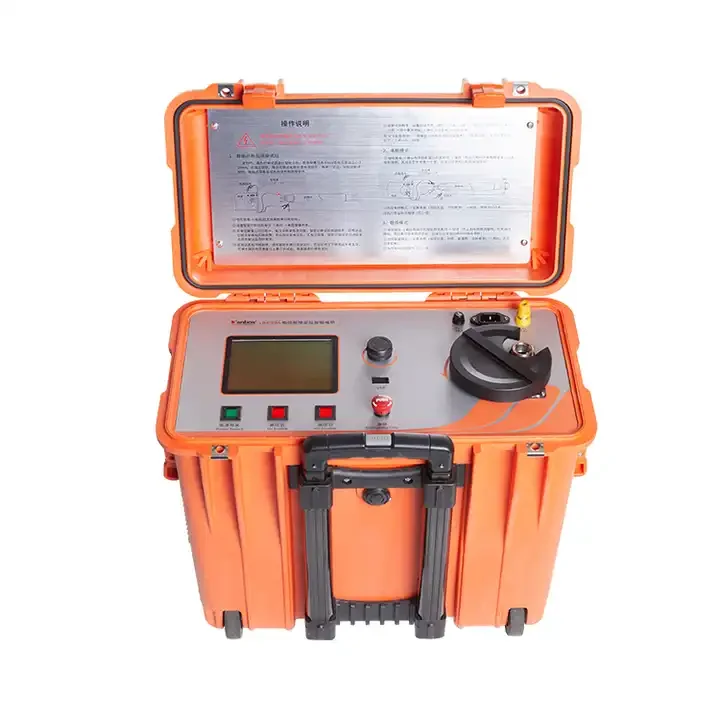
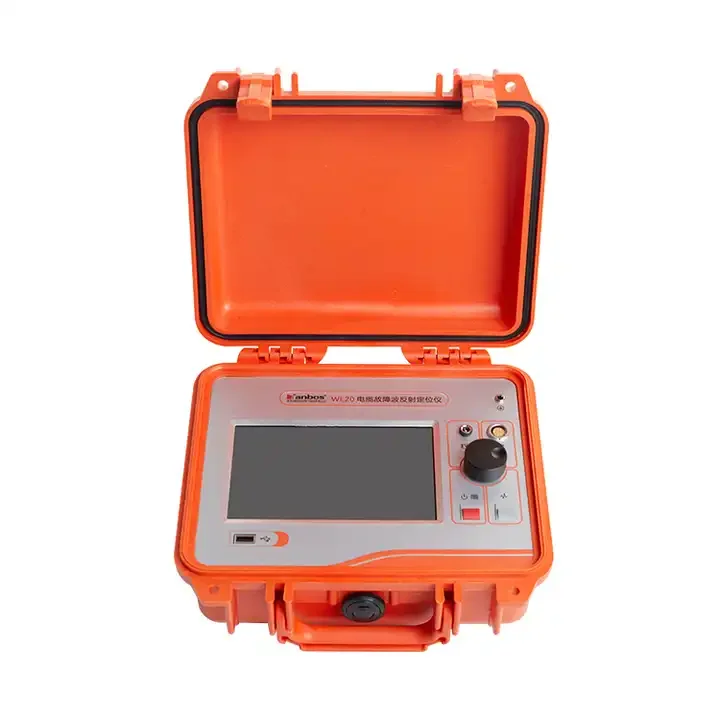
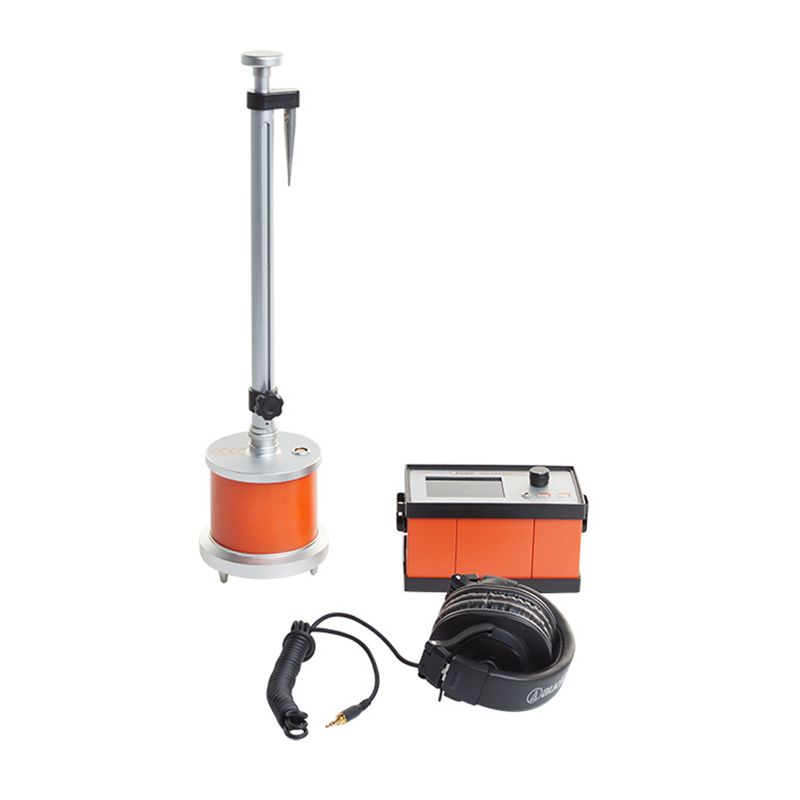
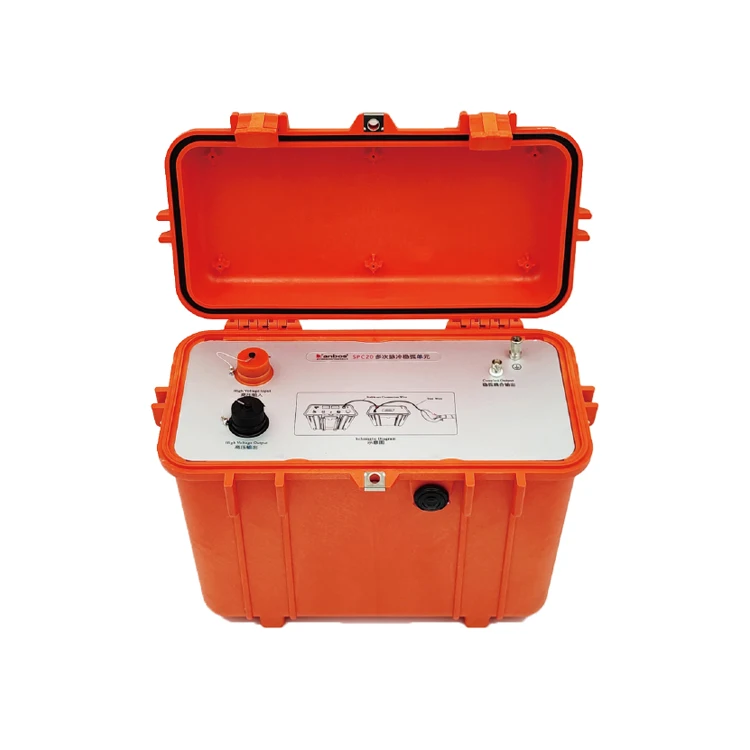
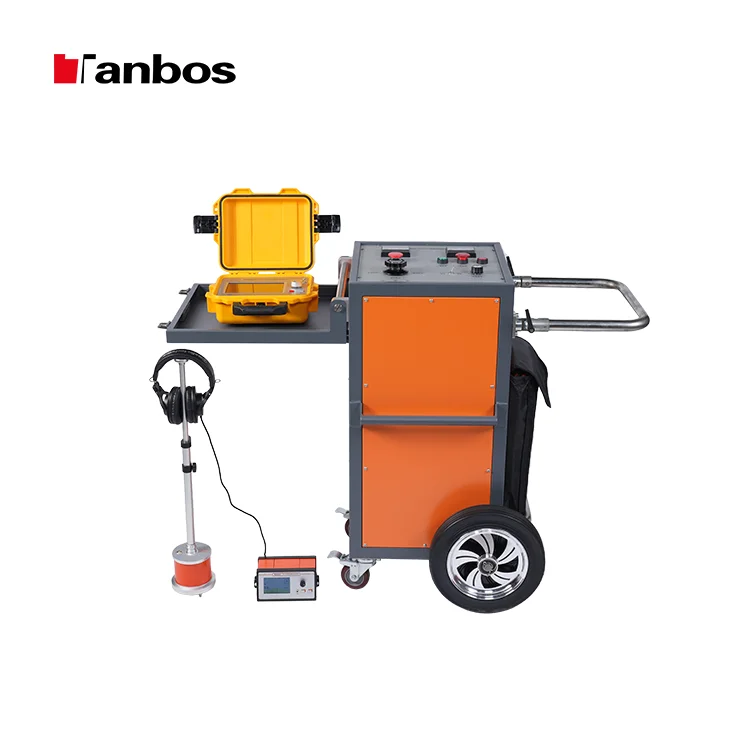
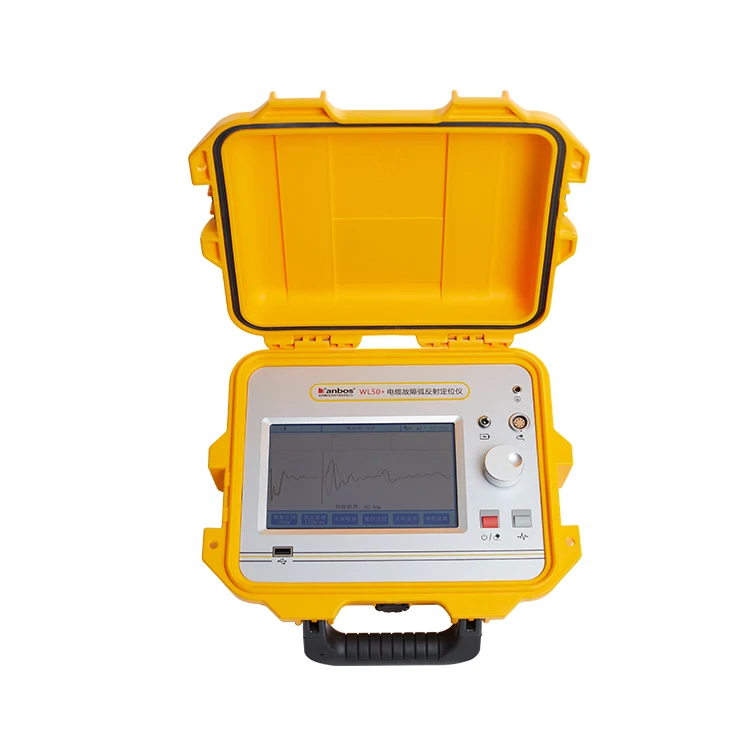
A cable fault locator is an essential tool used in the maintenance and repair of electrical systems, designed to detect and diagnose faults in cables and overhead lines. Understanding the working principles of cable fault locators is crucial for purchasing managers and engineers, as they need to ensure they select the right equipment to minimize downtime and repair costs. This article will provide insights into the specifications, features, and applications of cable fault locators, helping buyers make informed decisions for their projects.
When selecting a Tanbos cable fault locator, several specifications are critical to ensure optimal performance in diagnosing cable faults. Key specifications include:
Detection Range: This indicates the maximum distance the locator can effectively identify faults. A wider detection range allows for more versatility in applications, especially in larger installations.
Accuracy Level: The precision of fault location is paramount. An accurate locator minimizes guesswork, reducing the time required for repairs. Buyers should look for models that provide metrics on their accuracy under various conditions.
Signal Type: Cable fault locators can utilize different signal types, including time-domain reflectometry (TDR) and frequency domain reflectometry (FDR). Understanding how these signals work and their best use cases is crucial for selecting the right device.
Power Source: Knowing whether the locator operates on batteries or requires an external power source can affect its usability in field conditions. Battery-operated models are often more portable and convenient for on-site use.
User Interface: A clear, intuitive interface can significantly enhance operational efficiency. Buyers should consider devices with user-friendly displays and controls, especially if multiple operators will use them.
By understanding these specifications, buyers can ensure they select a cable fault locator that meets their unique operational requirements.
When comparing cable fault locators for wholesale purchases, several factors should be evaluated to ensure the best value and performance. Key considerations include:
Price and Total Cost of Ownership: While initial costs are important, buyers should also consider potential long-term savings through durability and maintenance costs. It may be beneficial to request a total cost breakdown from suppliers.
Warranty and Support: A robust warranty and reliable customer support can be indicators of the manufacturer's confidence in their product. Buyers should inquire about the warranty terms, including coverage duration and what is included.
Reviews and Case Studies: Investigating case studies or customer testimonials can provide insights into how the locator performs in real-world applications. This can highlight strengths and weaknesses not immediately apparent from specifications alone.
Supplier Reputation: Evaluate the reputation of the manufacturer. A company with a long-standing history, such as Tanbos, which has specialized in intelligent fault diagnosis equipment since 2007, is more likely to offer reliable products.
Customization Options: If the application requires specific features, manufacturers that offer customization can be more appealing. This flexibility can ensure the product meets the precise needs of the project.
By taking these factors into account, buyers can make well-informed comparisons that lead to the best purchasing decisions.
Reliable cable fault locators come equipped with features that enhance their functionality and ease of use. Key features to look for include:
Advanced Signal Processing: Enhanced signal processing capabilities allow for more precise fault detection and location, even in complex cable networks. This is critical for reducing downtime and improving repair efficiency.
Integrated GPS: Some models come with integrated GPS functionality, enabling users to log the locations of faults precisely. This feature supports better documentation and helps streamline future maintenance efforts.
Data Logging and Analysis: The ability to log data for later analysis can be invaluable. This feature allows operators to identify trends over time, optimizing maintenance schedules based on historical performance.
Durability and Weather Resistance: Equipment used in outdoor or industrial settings must withstand harsh conditions. Buyers should look for locators with rugged designs and weatherproof ratings to ensure longevity.
User Training and Support: Reliable manufacturers often provide comprehensive training and support for their products. This can be a significant advantage, as it ensures that users are well-equipped to utilize the technology effectively.
These features not only enhance the reliability of electrical cable fault locator but also improve the overall user experience, making them a worthwhile investment.
Sourcing high-quality cable fault locators involves identifying reputable suppliers and manufacturers. Here are some effective strategies:
Industry Trade Shows: Attending industry events can provide opportunities to interact with manufacturers, see products in action, and gain insights into new technologies.
Online Marketplaces and B2B Platforms: Websites that specialize in B2B transactions can connect buyers with manufacturers. It’s essential to check reviews and ratings to gauge supplier reliability.
Direct Manufacturer Engagement: Engaging directly with manufacturers like Tanbos can result in better pricing and support options. Many manufacturers offer tailored solutions based on specific project requirements.
Local Distributors: Partnering with local distributors who understand the market can streamline procurement. They can provide valuable insights into which products perform best in specific applications.
Networking within Industry Associations: Joining industry associations can lead to valuable contacts and recommendations for reliable suppliers. This can enhance credibility and trust in sourcing decisions.
By utilizing these sourcing strategies, buyers can find high-quality high voltage cable fault locator tailored to their specific project needs.
As an innovative technology enterprise, we integrate R&D, technical training, application support, and sales to provide a comprehensive, end-to-end solution for cable diagnostics.
With over 15 years of focused experience in cable detection and testing since 2007, we have built deep expertise in the R&D and manufacturing of intelligent early-warning and fault-diagnosis equipment for cables and overhead lines.
We concentrate our efforts on developing cutting-edge cable diagnostic technologies, enabling precise early warning and reliable fault diagnosis for enhanced grid safety and efficiency.
Positioned as "Cable Diagnostic Experts at Your Side," we provide professional, trusted technology and support to clients, backed by strong industry credibility and a track record of innovation.
Cable fault locators are essential tools across multiple industries, each with unique applications. Some key sectors include:
Utilities: In electrical utility companies, cable fault locators are vital for maintaining the integrity of the power grid. They help quickly identify faults in underground and overhead lines, minimizing service interruptions.
Telecommunications: Providers use cable fault locators to ensure the reliability of communication networks. Quick fault identification helps maintain customer satisfaction and service quality.
Transportation: Rail and transit systems utilize these tools to monitor cable integrity, ensuring safety and reliability in operations. Regular maintenance supported by accurate diagnostics can prevent significant disruptions.
Manufacturing: In industrial settings, cable fault locators help maintain essential equipment by quickly identifying faults in power supply lines. This is crucial for minimizing downtime and maintaining production efficiency.
Construction: During construction projects, 11kv cable fault locator assist in safely navigating existing underground utilities. This helps avoid damage and reduces the risk of accidents.
Understanding the applications of cable fault locators allows buyers to appreciate their value in enhancing operational efficiency and reliability across various sectors.
By keeping these considerations in mind, purchasing managers and engineers can navigate the complexities of selecting and sourcing cable fault locators, ensuring they invest in the right tools for their specific needs.
 AR
 HR
 CS
 NL
 FR
 DE
 EL
 HI
 IT
 JA
 KO
 NO
 PL
 PT
 RO
 RU
 ES
 SV
 TL
 IW
 ID
 SR
 SK
 UK
 VI
 ET
 HU
 TH
 TR
 FA
 MS
 GA
 HY
 AZ
 UR
 BN
 LA
 MN
 KK