A company of Xianheng international
 EN
A company of Xianheng international
EN
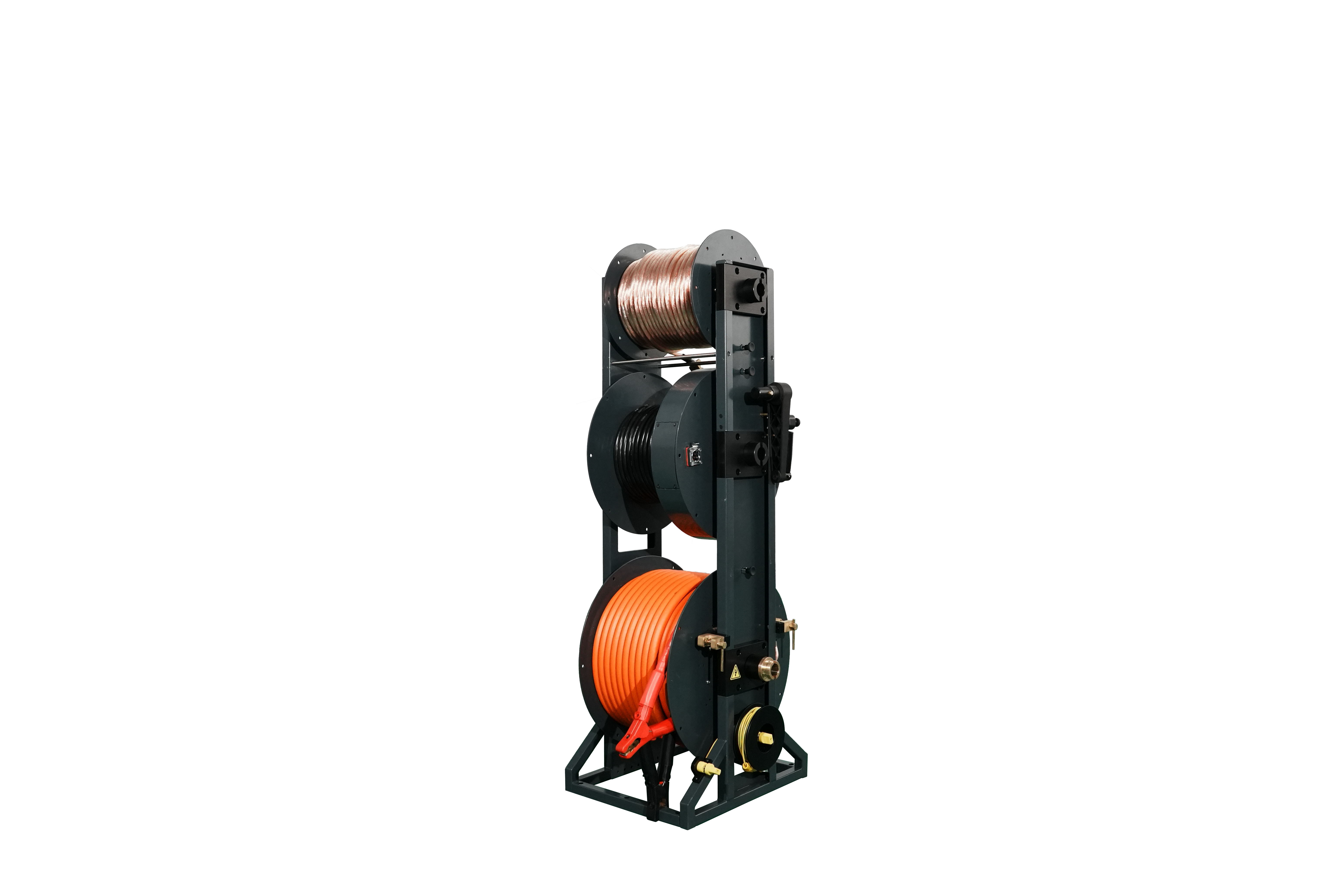
Cable reel drums are essential components in various industries, designed to organize, store, and transport cables efficiently. Selecting the right cable reel drum is crucial for ensuring optimal performance and longevity of the cables it holds. B2B buyers often face concerns regarding the specifications, costs, and compatibility of these products. This article aims to provide valuable insights into choosing the right cable reel drum, understanding cost factors, troubleshooting common issues, providing installation guidance, and comparing different types available in the market.
When selecting a cable reel drum, the first step is to assess the specific needs of your project. Consider the type of cables you will be using; for instance, electrical cables, fiber optics, or coaxial cables may require different cable drum specifications. The diameter and length of the cables will also influence the size of the drum you need.
Material selection is another critical factor. Cable reel drums can be made from various materials, including plastic, steel, and aluminum. Steel drums are known for their durability and strength, making them suitable for heavy-duty applications, while plastic drums are lighter and often more cost-effective for lighter cables. Ensure that the drum’s material can withstand environmental conditions, such as moisture or chemical exposure, that may be present in your operating environment.
Additionally, consider the configuration and features of the drum. Some drums come with integrated braking systems to prevent cable unwinding, while others may have handles or mounting options for easier transport and storage. Evaluate these features based on how the drum will be used and the specific requirements of your application.
The cost of cable reel drums can vary significantly based on several factors. The size, material, and design complexity of the drum all contribute to the overall price. Larger and more robust drums made from high-quality materials typically cost more due to the increased manufacturing processes and material costs involved.
Customization options can also affect pricing. If you require specific dimensions, materials, or features tailored to your application, expect additional costs compared to standard models. It's crucial to communicate your needs clearly when requesting quotes to avoid unexpected expenses.
Another essential factor to consider is the total cost of ownership. While a lower initial purchase price might be attractive, it’s important to factor in potential maintenance costs, durability, and replacement frequency. A more expensive drum may offer better longevity and lower lifecycle costs, making it a more economical choice in the long run.
Cable reel drums can present several common issues that buyers should be aware of. One frequent problem is cable tangling or twisting, which can occur if the drum does not have a proper unwinding mechanism. To mitigate this, choose drums with integrated braking systems or guides that help maintain cable organization during use.
Another issue is corrosion, particularly in environments exposed to moisture or chemicals. Selecting a drum made from corrosion-resistant materials, such as galvanized steel or high-quality plastics, can help prevent this problem. Regular inspections and maintenance can also extend the lifespan of the drum.
Additionally, buyers should be cautious of inadequate weight ratings. Overloading a drum beyond its capacity can lead to structural failure. Always verify the load capacity specified by the manufacturer and ensure it aligns with your cable identifier specifications and intended use.
Proper installation is crucial for the effective use of cable reel drums. Begin by selecting an appropriate location that allows for easy access and secure positioning of the drum. Ensure that the surface is stable and level to prevent any tipping or rolling that could damage the cables.
When installing the drum, pay attention to the orientation. If the drum is designed to rotate, ensure that it is set up to allow free movement without obstruction. If the drum has a braking mechanism, familiarize yourself with its operation to prevent accidents and ensure smooth unwinding of the cables.
Before loading cables onto the drum, inspect both the drum and the cables for any signs of damage. Properly secure the cables using suitable fasteners or ties to keep them in place during storage and transport. Regular checks post-installation will help maintain optimal performance and prolong the lifespan of both the drum and the cable identifier tool.
With over 15 years of focused experience in cable detection and testing since 2007, we have built deep expertise in the R&D and manufacturing of intelligent early-warning and fault-diagnosis equipment for cables and overhead lines.
As an innovative technology enterprise, we integrate R&D, technical training, application support, and sales to provide a comprehensive, end-to-end solution for cable diagnostics.
We concentrate our efforts on developing cutting-edge cable diagnostic technologies, enabling precise early warning and reliable fault diagnosis for enhanced grid safety and efficiency.
Positioned as "Cable Diagnostic Experts at Your Side," we provide professional, trusted technology and support to clients, backed by strong industry credibility and a track record of innovation.
Cable reel drums come in various types, each suited to specific applications. For instance, heavy-duty steel drums are ideal for industrial environments where cables are subjected to rigorous handling and exposure to harsh conditions. These drums typically feature reinforced designs and higher load capacities.
On the other hand, lightweight plastic drums are more suitable for applications that require portability and ease of use, such as in smaller workshops or residential settings. While they may not offer the same strength as steel drums, they are more cost-effective and easier to handle.
Additionally, consider specialized drums, such as those designed for outdoor use or for specific cable types like fiber optics. These drums may come with features tailored to protect sensitive cables from environmental factors.
When evaluating options, review the specifications, warranty, and customer reviews to gauge reliability and performance. Consulting with manufacturers like Tanbos, which specializes in the production of intelligent equipment, can provide valuable insights tailored to your specific needs, ensuring you select the most appropriate drum for your application.
 AR
 HR
 CS
 NL
 FR
 DE
 EL
 HI
 IT
 JA
 KO
 NO
 PL
 PT
 RO
 RU
 ES
 SV
 TL
 IW
 ID
 SR
 SK
 UK
 VI
 ET
 HU
 TH
 TR
 FA
 MS
 GA
 HY
 AZ
 UR
 BN
 LA
 MN
 KK