A company of Xianheng international
 EN
A company of Xianheng international
EN
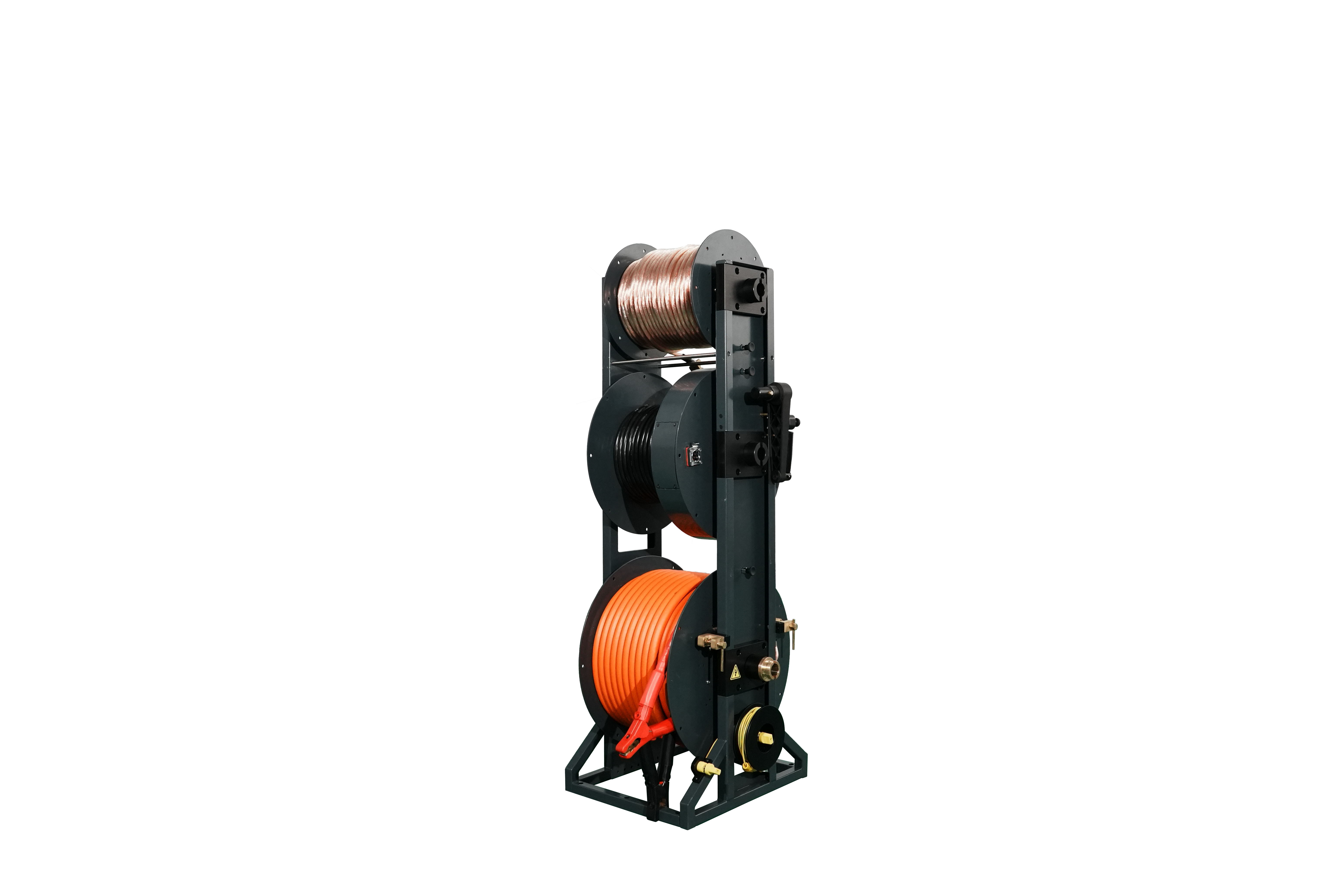
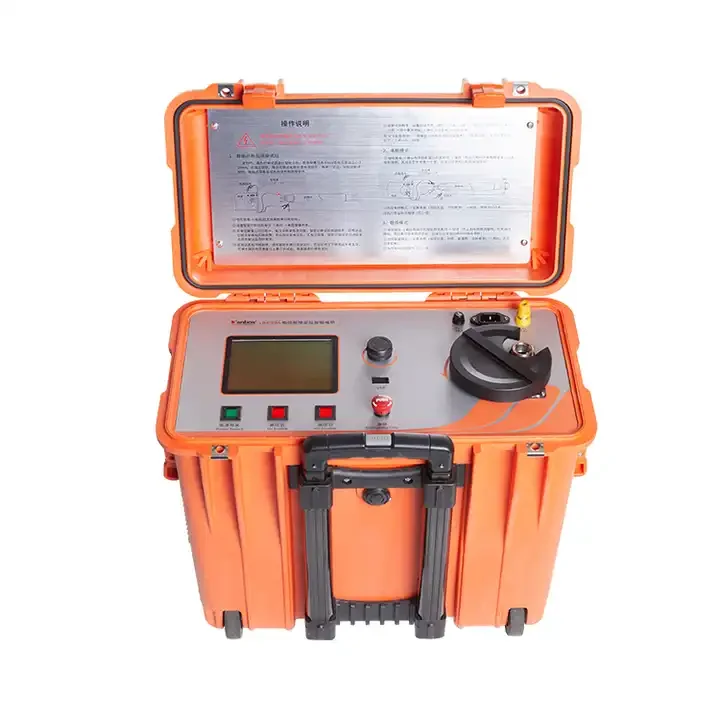
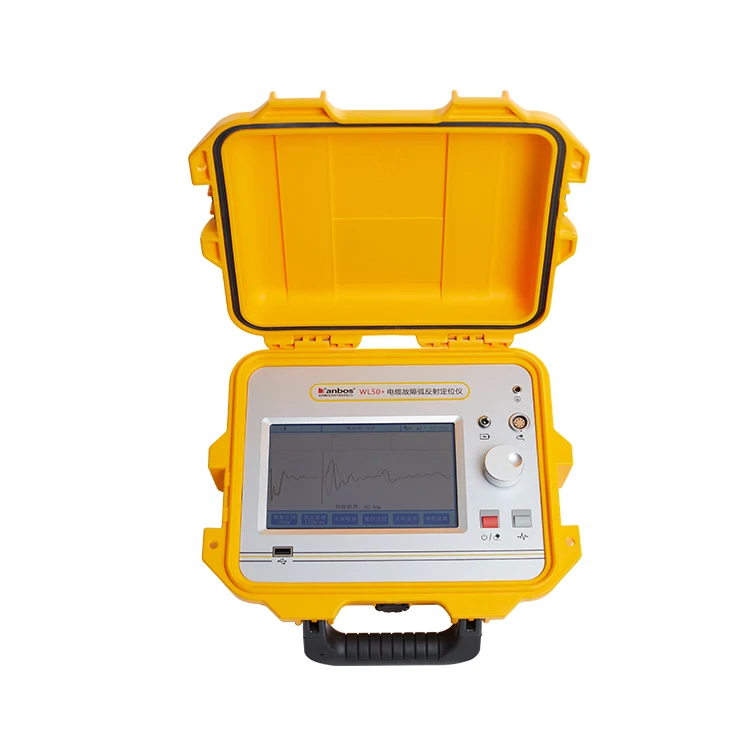
Tanbos cable reeling drums and cable fault pre locator are essential components in various industrial applications, particularly where the management of power and communication cables is crucial. These drums facilitate the smooth operation of machinery by providing a robust mechanism for storing and dispensing cables, preventing tangles or damage. For purchasing managers and engineers, understanding the specifications, materials, installation considerations, and potential issues associated with cable reeling drums is vital for making informed decisions. This article will delve into these aspects to assist you in selecting the right cable reeling drum for your needs
The material of a Tanbos cable reeling drum and cable fault location significantly impact its durability, weight, corrosion resistance, and overall performance. Common materials used include steel, aluminum, and various plastics, each offering distinct advantages:
Steel: Known for its strength and durability, steel drums can withstand heavy loads and are suitable for outdoor applications. However, they require protective coatings to prevent rusting, especially in humid or corrosive environments
Aluminum: These drums are lightweight and resistant to corrosion. They are ideal for mobile applications or where weight reduction is essential. However, aluminum may not support as heavy a load as steel
Plastic: Often used in lighter-duty applications, plastic drums are resistant to chemicals and moisture. They are suitable for environments where rust is a concern but may not hold up under high tension or heavy usage compared to metal alternatives
Choosing the right material is crucial for optimizing the operational life and reliability of the cable reeling drum, depending on the specific application environment and load requirements
Proper installation of Tanbos cable reeling drums and cable fault tester is critical to ensure efficient operation and longevity. Here are key factors to consider:
Mounting Location: Ensure the installation site provides adequate space for the drum to operate without obstruction. The area should allow for smooth cable unwinding and rewinding
Alignment and Leveling: The drum must be mounted level and aligned correctly to prevent uneven wear on the cables and reduce the risk of mechanical failure
Load Capacity: Verify that the drum's load capacity meets the requirements of the cables to be stored. Overloading can lead to premature wear or catastrophic failure
Environmental Factors: Consider the surrounding environment, such as exposure to moisture, chemicals, or extreme temperatures, which can affect the drum’s lifespan and performance
Accessibility for Maintenance: Ensure that the installation allows for easy access for regular maintenance and inspection, as proper upkeep is essential for long-term functionality
By addressing these installation considerations, you can enhance the operational efficiency and lifespan of your cable reeling drums
However robust cable reeling drums may be, they can encounter several common issues. Understanding these problems and their solutions can help maintain efficient operation:
Cable Twisting: This often occurs when the drum is not aligned correctly or when cables are improperly wound. Regularly inspecting and ensuring proper cable management can prevent this issue
Wear and Tear: Cables can suffer from abrasions or cuts if they are not stored properly. To mitigate this, inspect cables frequently and replace any damaged components immediately. Additionally, using drums with protective features can help minimize wear
Corrosion: For metal drums, especially in outdoor or humid environments, corrosion can become a significant concern. Implementing regular maintenance schedules and using quality coatings can help prolong the drum's life
Mechanical Failures: Bearings and other mechanical parts can fail if not properly lubricated. Establishing a routine maintenance plan, including lubrication checks, can reduce the likelihood of mechanical breakdowns
By being proactive about these potential issues, you can ensure optimal performance and longevity of your cable reeling drums
Cable reeling drums find applications across multiple industries, each with unique requirements:
Construction: On construction sites, cable reeling drums manage power and communication lines, ensuring safety and organization while facilitating the smooth operation of machinery
Manufacturing: They are crucial for managing cables in automated systems, reducing the risk of damage from tangles and providing a reliable supply of power and communication lines
Telecommunications: In this sector, cable reeling drums are used to manage and transport fiber optics and other communication cables, ensuring efficient deployment and reducing the risk of damage
Mining: These drums are utilized to manage heavy-duty power cables in harsh environments, where durability and reliability are paramount
Understanding the application of cable reeling drums in various industries helps buyers select the appropriate specifications and materials to meet their specific needs
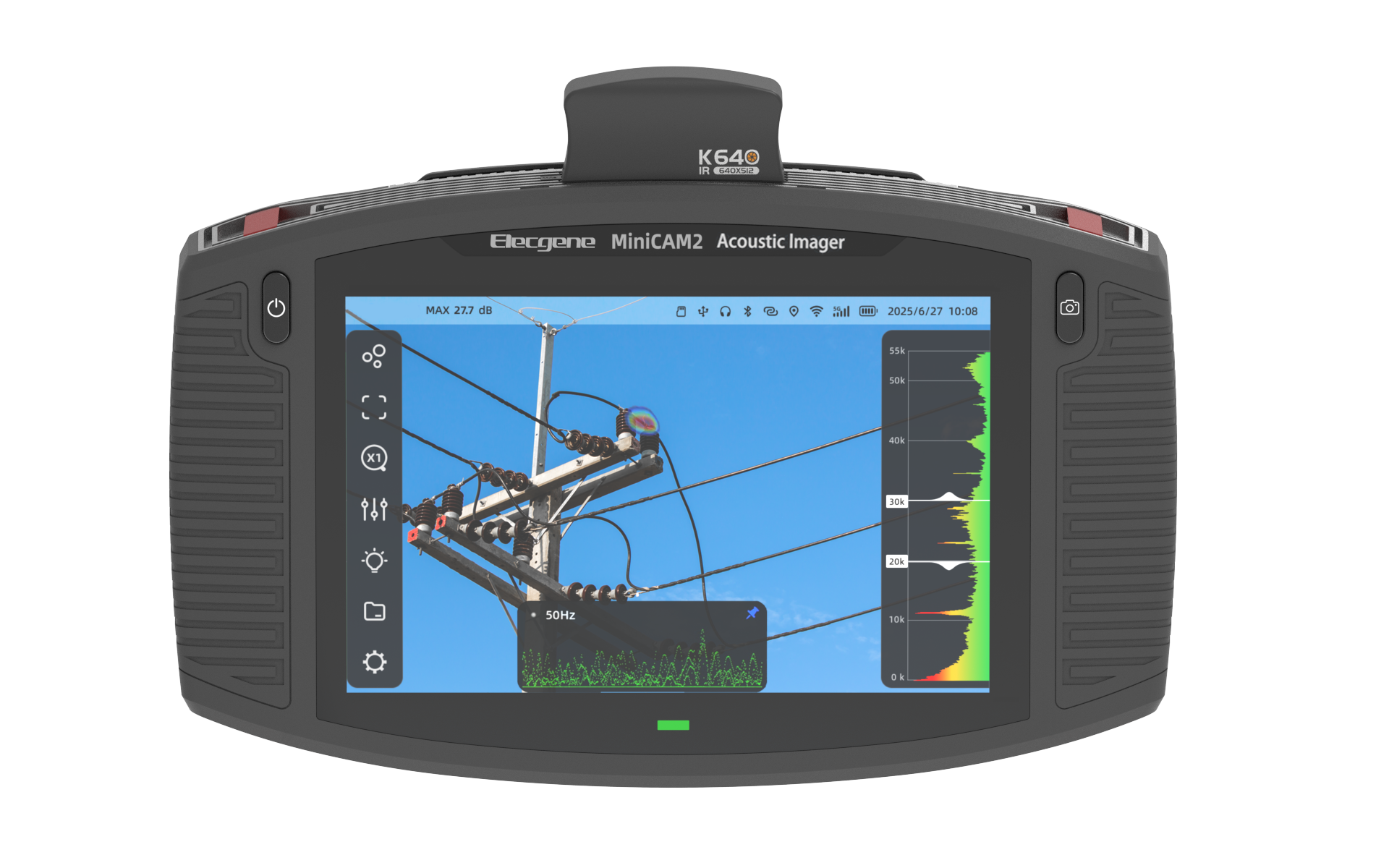
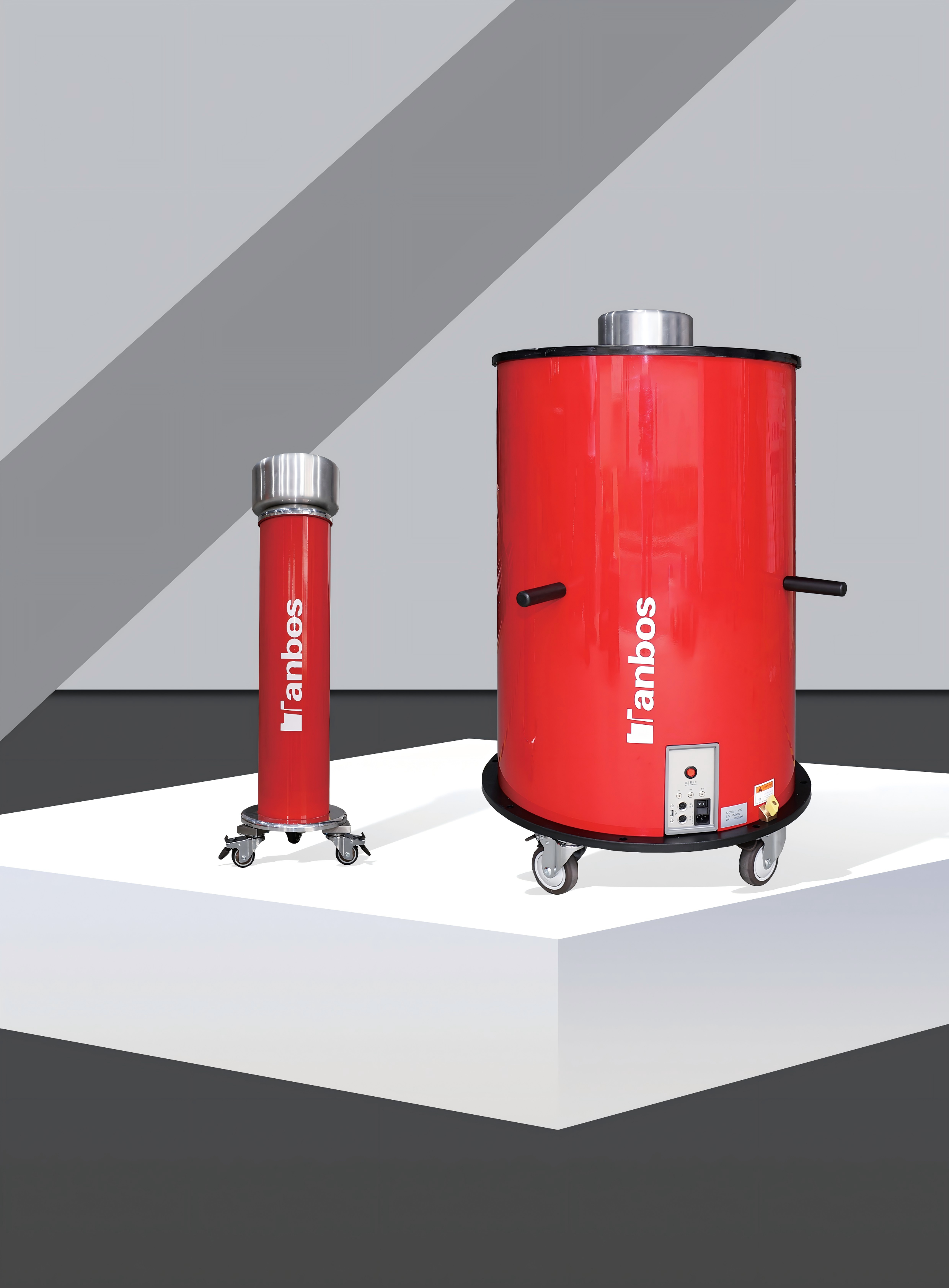
Positioned as "Cable Diagnostic Experts at Your Side," we provide professional, trusted technology and support to clients, backed by strong industry credibility and a track record of innovation.
As an innovative technology enterprise, we integrate R&D, technical training, application support, and sales to provide a comprehensive, end-to-end solution for cable diagnostics.
We concentrate our efforts on developing cutting-edge cable diagnostic technologies, enabling precise early warning and reliable fault diagnosis for enhanced grid safety and efficiency.
With over 15 years of focused experience in cable detection and testing since 2007, we have built deep expertise in the R&D and manufacturing of intelligent early-warning and fault-diagnosis equipment for cables and overhead lines.
When purchasing cable reeling drums, evaluating supplier reliability is vital to ensure quality and performance. Consider the following criteria:
Experience and Expertise: Look for suppliers with a proven track record in manufacturing cable reeling drums. Their experience can translate into better insights into product specifications and applications
Quality Control Processes: Ensure that the supplier has stringent quality control measures in place. This might include certifications or standards they adhere to, which can assure product quality
Customization Capabilities: If your application requires specific features or materials, check whether the supplier can accommodate customization requests. A flexible supplier can better meet unique operational needs
Customer Support: Reliable suppliers should offer robust customer support, including technical assistance, installation guidance, and after-sales services
Reviews and References: Finally, review feedback from previous customers to gauge the supplier's reliability and product performance
By carefully evaluating these factors, purchasing managers can select a trustworthy supplier for their cable reeling drum needs, ensuring a smooth purchasing process and reliable product performance
 AR
 HR
 CS
 NL
 FR
 DE
 EL
 HI
 IT
 JA
 KO
 NO
 PL
 PT
 RO
 RU
 ES
 SV
 TL
 IW
 ID
 SR
 SK
 UK
 VI
 ET
 HU
 TH
 TR
 FA
 MS
 GA
 HY
 AZ
 UR
 BN
 LA
 MN
 KK