A company of Xianheng international
 EN
A company of Xianheng international
EN
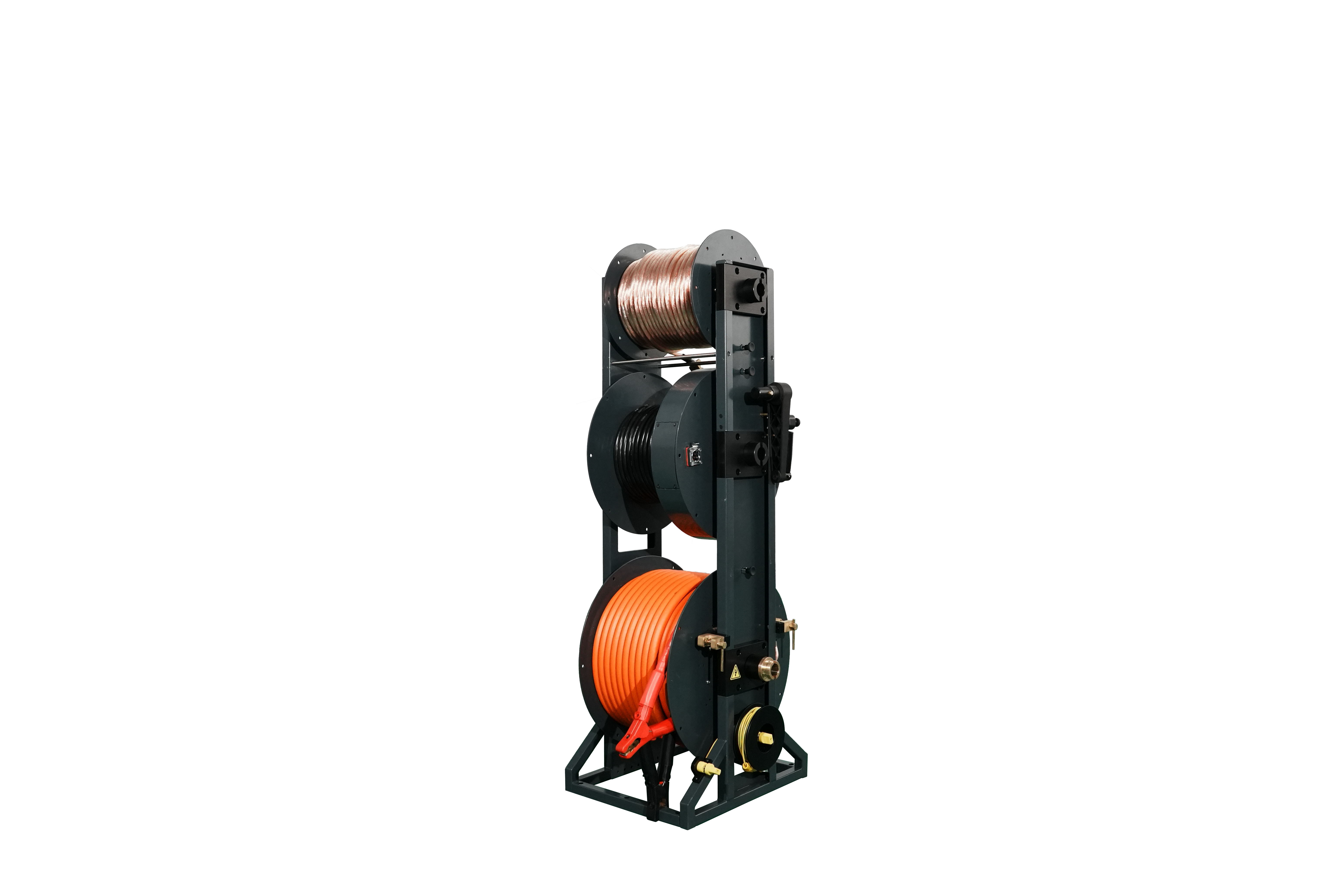
Cable reeling drums are essential components in various industrial applications, allowing for the smooth handling of cables in environments such as manufacturing, construction, and power distribution. When considering a cable reeling drum price, B2B buyers often have concerns about quality, specifications, and the suitability of the product for their specific needs. This article will provide practical insights into comparing prices, choosing the right cable drum, understanding pricing factors, evaluating key specifications, and addressing common installation challenges.
When comparing cable reeling drum prices, several factors come into play that can significantly influence the overall cost. First, the material used in the drum's construction affects durability and performance. Common materials include steel, aluminum, and fiberglass, each with varying costs and benefits. For instance, steel drums are typically more robust and suitable for heavy-duty applications, while aluminum drums are lighter and resistant to corrosion, making them ideal for portable setups.
Secondly, the drum's size and capacity impact pricing. Larger drums that can hold more cable will generally cost more, but they may provide better value for applications requiring longer cable runs. Additionally, consider the manufacturing process and whether the drum is mass-produced or custom-made. Custom cable reel drum may have higher upfront costs due to specialized manufacturing but can lead to improved function and efficiency in specific applications.
Lastly, take into account any additional features that might be included, such as automatic reeling mechanisms or integrated safety systems. These can enhance operational efficiency but may also add to the overall price.
Selecting the right cable reeling drum starts with understanding your specific application requirements. Consider the type of cable you will be using, as different cables may require different handling capabilities. For example, high-voltage cables may necessitate a drum designed to withstand greater tension and environmental exposure.
Next, evaluate the operating environment. Are you using the drum indoors or outdoors? Will it be exposed to harsh weather, chemicals, or other stressors? Selecting a drum with appropriate corrosion resistance and durability for your specific conditions is crucial.
Additionally, think about the installation location. Will the drum be mounted on a stationary platform, or will it need to be portable? This will determine the size and weight specifications you should prioritize. For instance, if mobility is essential, a lighter, compact design may be more beneficial.
It's also wise to consult with your supplier about customization options. Many manufacturers, including Tanbos, offer tailored solutions that can meet unique operational needs, ensuring that the drum performs optimally.
Cable reeling drum pricing is influenced by several factors, including materials, manufacturing processes, and additional features. The material selection plays a significant role; for instance, stainless steel drums may carry a premium price due to their superior corrosion resistance compared to standard steel or aluminum options.
The manufacturing process also affects pricing. Drums made using advanced technology, such as automated welding and precision machining, may offer better quality and durability but come at a higher cost. It’s essential to balance cost with quality to avoid future maintenance issues or operational failures.
Consider the lead time as well. Custom orders may take longer to fulfill, potentially affecting your project timeline. Be sure to discuss expected delivery dates with suppliers to align with your project schedule.
Lastly, don’t forget to factor in shipping costs, especially if purchasing from an international supplier. These can significantly impact the final price, so request a comprehensive quote that includes all potential costs associated with the purchase.
When evaluating Tanbos cable reeling drums, specific specifications are critical to ensuring the drum meets your operational needs. Key specifications include:
Load Capacity: This indicates the maximum weight the drum can handle safely. Overloading a drum can lead to mechanical failure and safety hazards.
Diameter and Width: The dimensions of the drum affect how much cable it can hold and how it fits into your existing setup. Be sure to measure available space before making a decision.
Material Thickness: A thicker drum wall may provide increased durability and resistance to deformation under load, which is especially important in heavy-duty applications.
Reel Type: Determining whether you need a fixed or portable reel can influence both functionality and price. Fixed reels are often more robust, while portable ones offer flexibility.
Finish and Coating: A protective coating can enhance resistance to environmental factors, prolonging the cable reeling drum lifespan. Discuss your specific environmental conditions to ensure the right finish is selected.
By carefully evaluating these specifications, you can make an informed decision that aligns with your operational demands.
With over 15 years of focused experience in cable detection and testing since 2007, we have built deep expertise in the R&D and manufacturing of intelligent early-warning and fault-diagnosis equipment for cables and overhead lines.
We concentrate our efforts on developing cutting-edge cable diagnostic technologies, enabling precise early warning and reliable fault diagnosis for enhanced grid safety and efficiency.
As an innovative technology enterprise, we integrate R&D, technical training, application support, and sales to provide a comprehensive, end-to-end solution for cable diagnostics.
Positioned as "Cable Diagnostic Experts at Your Side," we provide professional, trusted technology and support to clients, backed by strong industry credibility and a track record of innovation.
Installation of Tanbos cable reeling drums can present several challenges, which, if not addressed, may lead to operational inefficiencies or safety hazards. One common issue is improper alignment during installation, which can cause uneven wear on the drum and premature failure. To mitigate this, ensure that the drum is mounted level and securely anchored.
Another potential problem is insufficient cable payout or retrieval speed. If the drum is not designed for the specific cable type or if the motorization is inadequate, it can lead to operational delays. To solve this, verify that the drum's specifications match the requirements of your cable, and consider consulting your supplier for recommendations on motorized options.
Additionally, cable tangling can occur during operation, particularly if the reel is not adequately designed to manage the specific cable type. Implementing a guide or using a drum with a built-in cable management system can help reduce this risk.
Lastly, ensure all safety features are properly installed and operational. This includes brakes, safety guards, and emergency stop mechanisms, which are essential for preventing accidents during operation.
By addressing these common installation issues upfront, you can enhance the performance and lifespan of your cable reeling drum while ensuring a safer working environment.
 AR
 HR
 CS
 NL
 FR
 DE
 EL
 HI
 IT
 JA
 KO
 NO
 PL
 PT
 RO
 RU
 ES
 SV
 TL
 IW
 ID
 SR
 SK
 UK
 VI
 ET
 HU
 TH
 TR
 FA
 MS
 GA
 HY
 AZ
 UR
 BN
 LA
 MN
 KK