A company of Xianheng international
 EN
A company of Xianheng international
EN
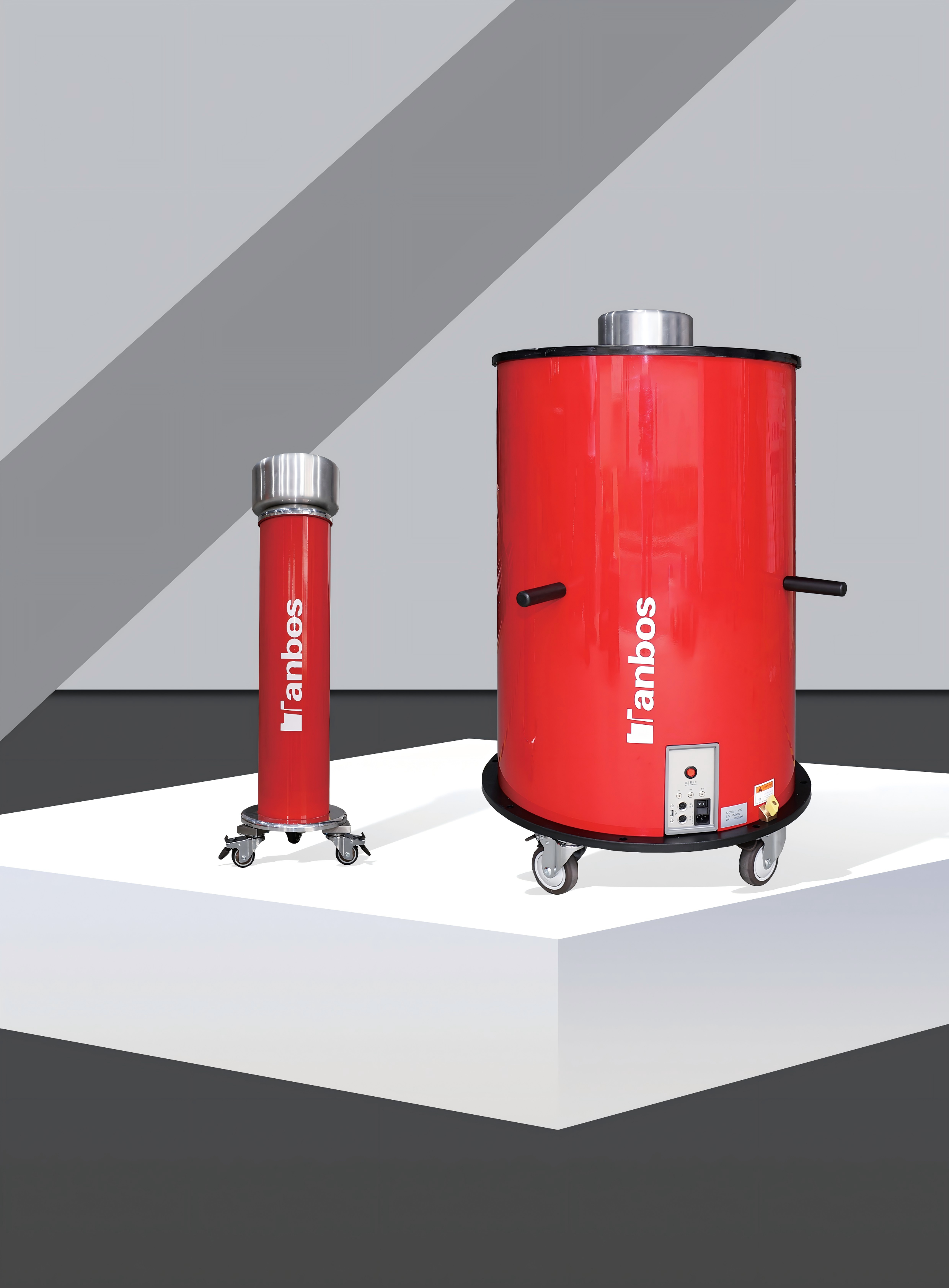
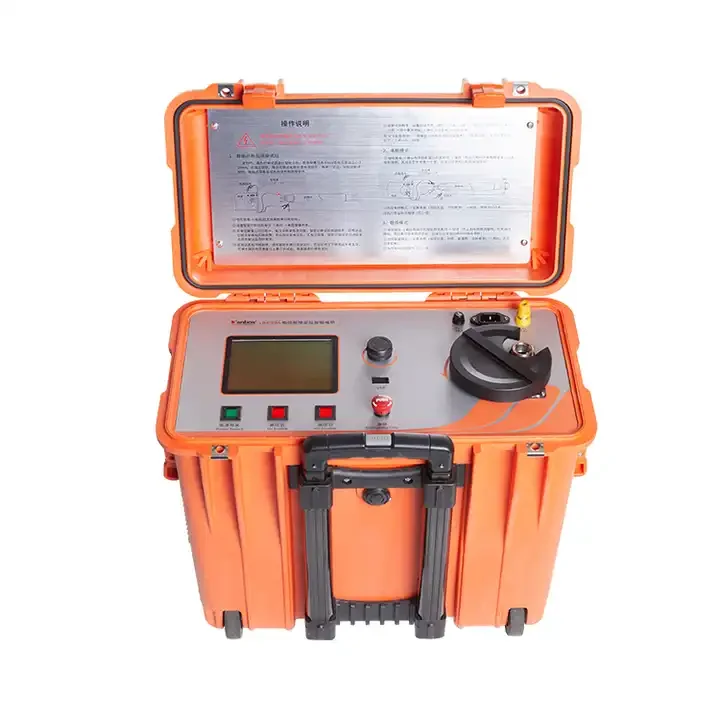
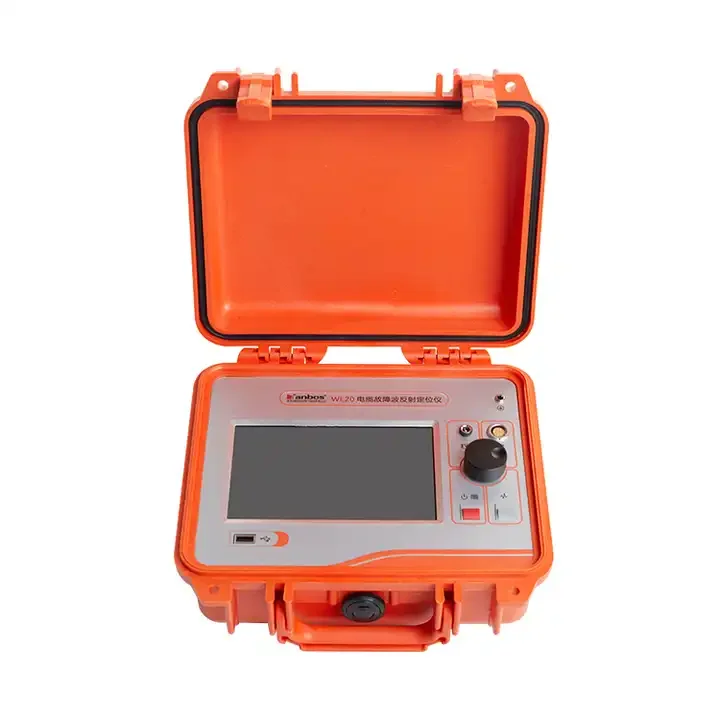
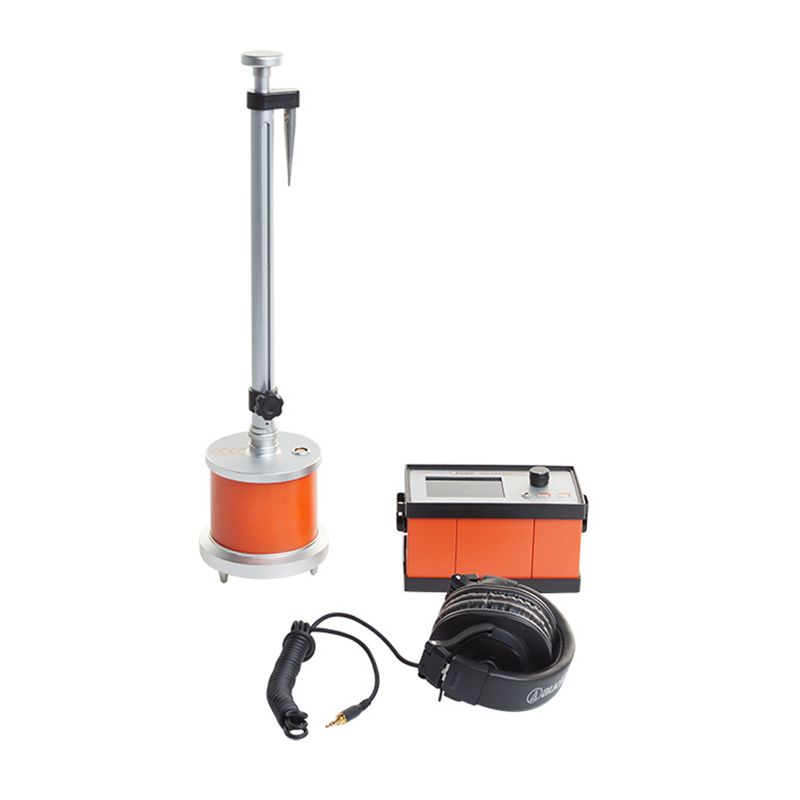
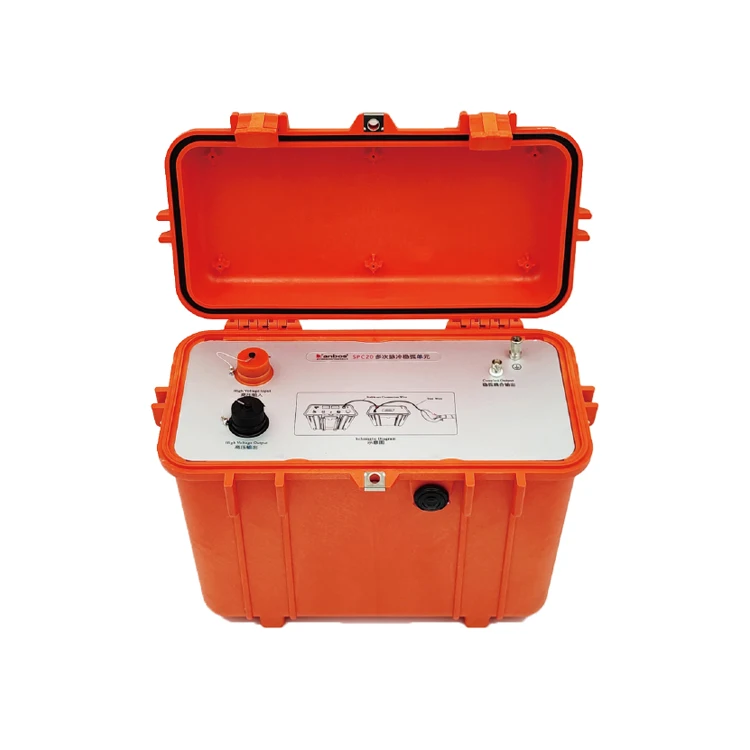
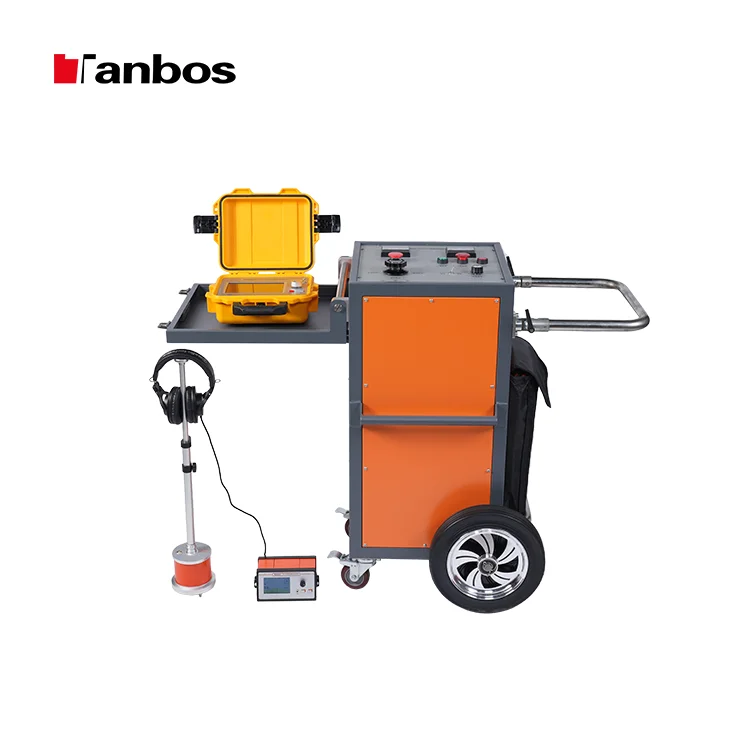
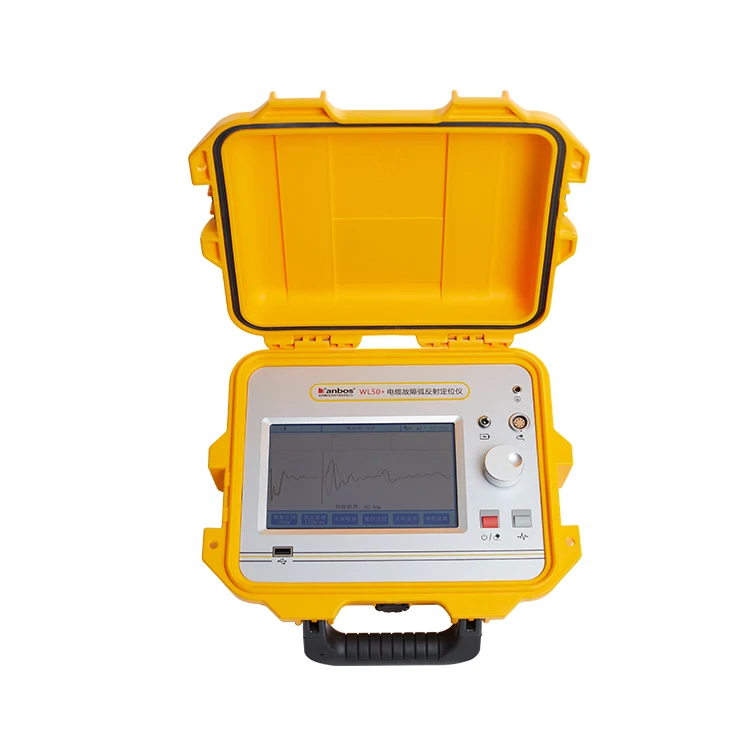
In the world of cable testing and diagnostics, the cable thumper is an essential tool for ensuring the integrity of electrical systems. Specifically designed for fault detection in cables and overhead lines, these devices are crucial for professionals in manufacturing, utilities, and maintenance sectors. If you are considering a cable thumper for sale, understanding how to choose the right one, what specifications to look for, and how to evaluate suppliers is vital to making an informed purchasing decision. This article will guide you through these considerations, helping you find the best solution for your project needs.
Selecting the appropriate Tanbos cable thumper hinges on your specific project requirements. Key considerations include the type of cables you will be testing, the voltage levels involved, and the environment in which the device will operate. For example, if you are dealing with high-voltage cables, you will need a thumper that can deliver adequate voltage to effectively locate faults. Additionally, consider the device's portability and ease of use, especially if you will be testing cables in various locations.
It's also important to assess the application of the cable thumper. Will it be used for routine maintenance, emergency repairs, or both? A more versatile thumper may save time and costs in the long run. Furthermore, think about the types of faults you are likely to encounter. Some thumpers are designed for specific fault types, so understanding your needs will guide you in selecting the right model.
When evaluating cable thumpers, several specifications stand out as critical indicators of performance and suitability.
Voltage Output: The voltage output must match or exceed the requirements for the cables being tested. A higher voltage may be necessary for long cable runs or those in harsh conditions.
Pulse Width and Energy: The pulse width affects the ability to accurately locate faults. Thumpers with adjustable pulse widths provide greater flexibility for different types of cables and faults.
Weight and Portability: If mobility is a concern, consider the weight and design of the unit. A lightweight, portable thumper can enhance usability in field applications.
Safety Features: Look for built-in safety features such as automatic shut-off, overload protection, and compliance with industry safety standards. This is crucial to ensure the safety of operators during testing.
User Interface: A user-friendly interface with clear indicators can significantly reduce the learning curve and improve efficiency during operation.
Understanding these specifications will help you evaluate a high voltage thumper performance and suitability for your specific applications.
When sourcing a Tanbos cable thumper, it's essential to evaluate potential suppliers rigorously. Start by assessing their industry experience and reputation. A supplier with a long-standing history in manufacturing cable testing equipment is likely to have refined their products and understand the needs of their customers.
Next, request information on their quality control processes. A reliable supplier should have rigorous testing protocols in place to ensure that their products meet industry standards. Additionally, inquire about their customer service and support offerings. This includes warranty terms, availability of replacement parts, and responsiveness to inquiries.
Another important aspect is to ask for case studies or testimonials from other customers in similar industries. This can provide insight into the supplier's reliability and product performance in real-world conditions. Finally, consider the supplier's flexibility in customization. If your project has specific requirements, a supplier willing to adapt their products can be a significant advantage.
The cost of a cable thumper can vary widely based on several factors, and understanding these can help you make a more informed decision.
Base Price: The initial price of the thumper is the most obvious cost, but it’s essential to compare models based on features rather than just price alone.
Additional Features: Many thumpers come with additional features like data logging or advanced diagnostics capabilities, which may increase the cost but could provide significant value over time.
Shipping and Handling: Consider the logistics of getting the thumper to your location. Some suppliers may offer free shipping, while others may charge extra based on distance or delivery speed.
Maintenance and Upkeep: Factor in potential maintenance costs, including the need for replacement parts or calibration services. A lower upfront cost could lead to higher long-term costs if the device requires frequent maintenance.
Training and Support: Some suppliers may offer training on how to effectively use their equipment, which can be a valuable resource for your team. This training may come at an additional cost but can enhance your team's efficiency and safety.
Understanding these factors can help you evaluate the total cost of ownership rather than just the purchase price.
With over 15 years of focused experience in cable detection and testing since 2007, we have built deep expertise in the R&D and manufacturing of intelligent early-warning and fault-diagnosis equipment for cables and overhead lines.
We concentrate our efforts on developing cutting-edge cable diagnostic technologies, enabling precise early warning and reliable fault diagnosis for enhanced grid safety and efficiency.
Positioned as "Cable Diagnostic Experts at Your Side," we provide professional, trusted technology and support to clients, backed by strong industry credibility and a track record of innovation.
As an innovative technology enterprise, we integrate R&D, technical training, application support, and sales to provide a comprehensive, end-to-end solution for cable diagnostics.
Proper installation and setup of your Tanbos cable thumper are crucial for effective operation. Begin by reviewing the manufacturer's instructions thoroughly to understand the specific requirements for your model.
Location and Environment: Ensure that the installation location is dry, clean, and free from obstructions. This will help in maintaining the thumper's condition and ensuring accurate test results.
Calibration: Before using the thumper for the first time, perform any necessary calibrations as indicated in the user manual. This is essential to ensure the accuracy of the measurements.
Connection Techniques: Pay attention to how the thumper connects to the cable. Proper connections are vital to prevent damage to the thumper and ensure accurate fault detection. Use recommended connectors and follow best practices for securing the connections.
Testing Protocol: Establish a clear testing protocol that includes safety checks. Make sure that all operators are trained on this protocol to minimize risks and streamline the testing process.
Maintenance Schedule: After installation, set up a regular maintenance schedule to keep the thumper in optimal condition. This includes routine cleaning, checking connections, and ensuring that software or firmware is updated if applicable.
By following these installation guidelines, you can maximize the effectiveness of your thumper fault locator and ensure reliable performance over its lifespan.
By understanding the nuances of selecting, evaluating, and utilizing a cable thumper, B2B buyers can make informed decisions that cater to their specific needs and ensure the integrity of their electrical systems.
 AR
 HR
 CS
 NL
 FR
 DE
 EL
 HI
 IT
 JA
 KO
 NO
 PL
 PT
 RO
 RU
 ES
 SV
 TL
 IW
 ID
 SR
 SK
 UK
 VI
 ET
 HU
 TH
 TR
 FA
 MS
 GA
 HY
 AZ
 UR
 BN
 LA
 MN
 KK