A company of Xianheng international
 EN
A company of Xianheng international
EN
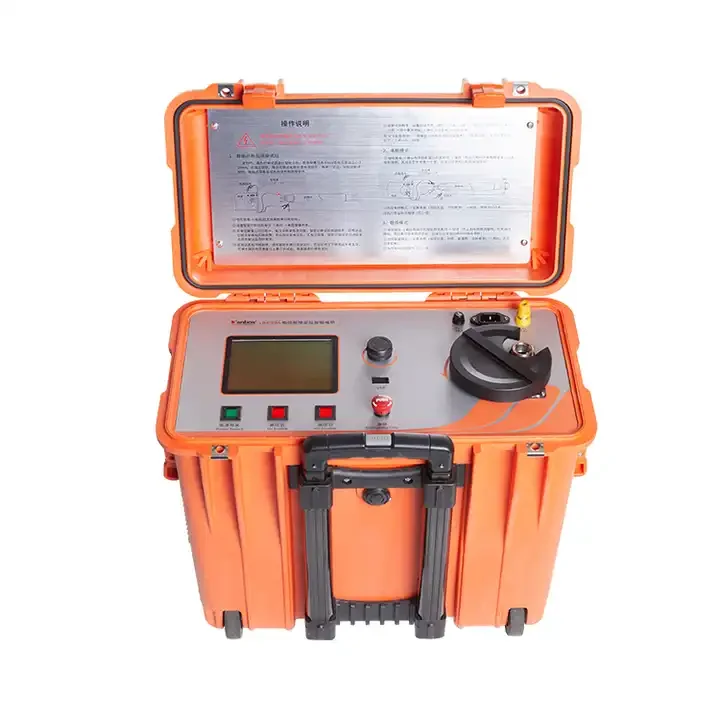
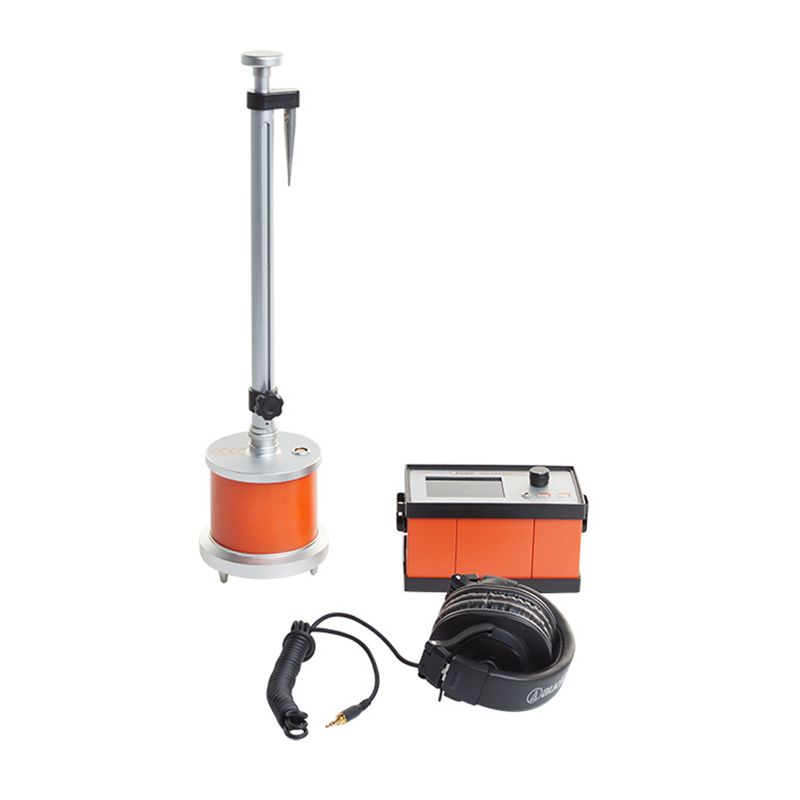
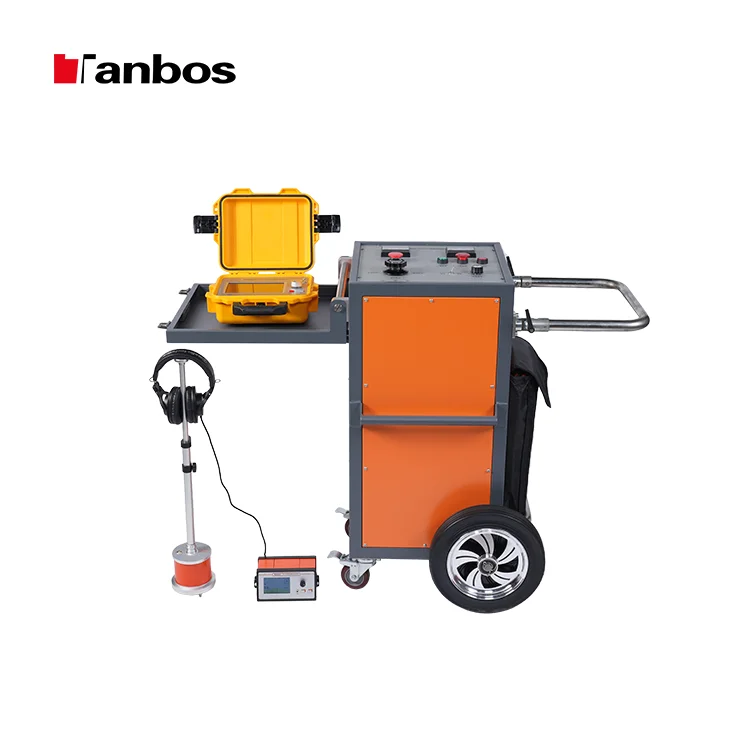
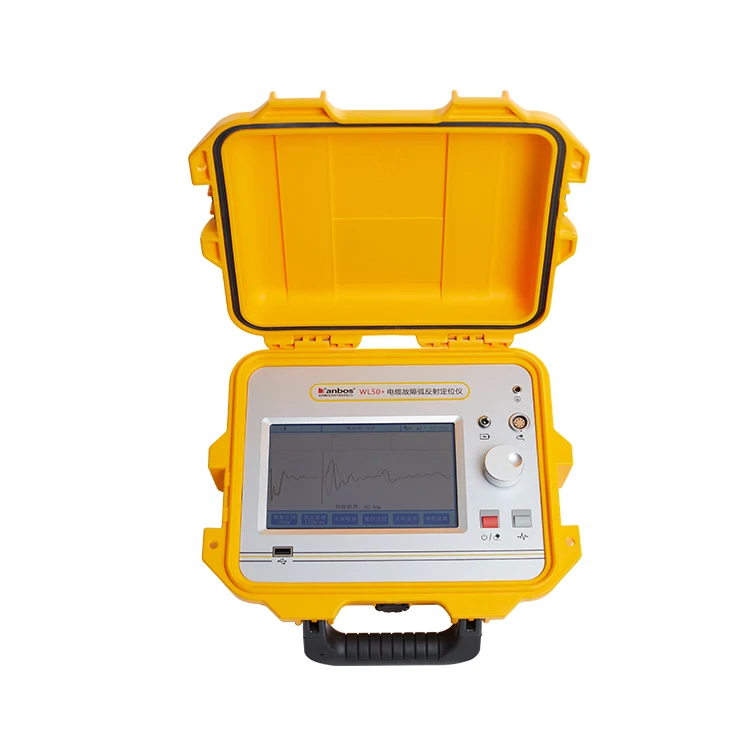
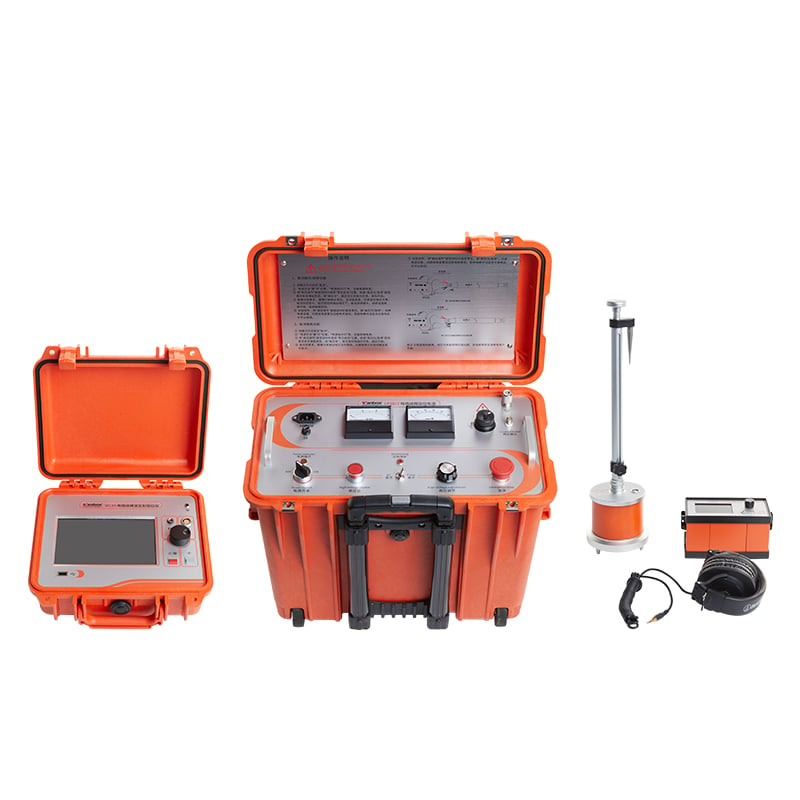
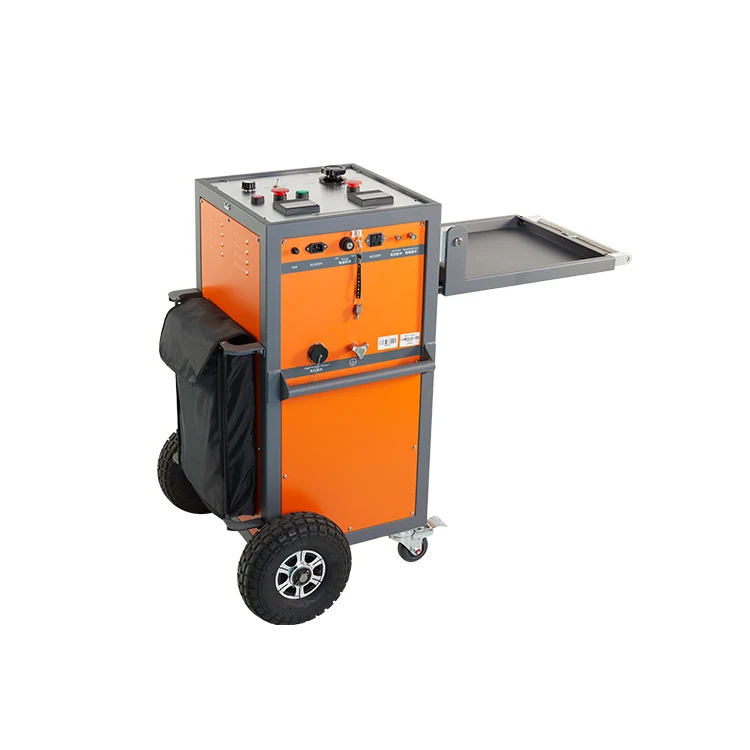
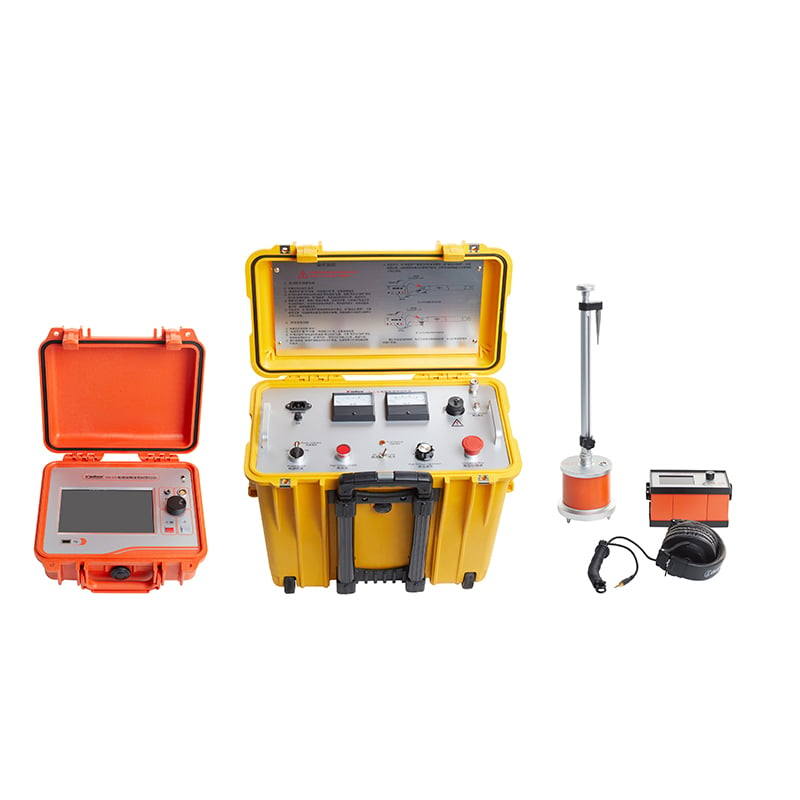
Electric cable fault locators are essential tools for professionals in the manufacturing and engineering sectors, enabling them to swiftly identify and diagnose faults in electrical cables and overhead lines. As a purchasing manager or engineer, your primary concerns may include the accuracy, reliability, and ease of use of these devices. This article will provide insights into the key specifications to evaluate, trusted brands, installation guidance, common issues and the material advantages associated with high-quality electric cable fault locators.
When selecting an electric cable fault locator, several key specifications should be considered to ensure optimal performance. Here are the most critical factors:
Detection Range: The locator's ability to detect faults over varying distances is vital. A longer detection range allows for flexibility in applications, especially in large facilities or extensive cable networks.
Accuracy: Precision in fault location is essential to minimize downtime and repair costs. Look for locators that provide detailed readings and have been tested for accuracy under various conditions.
Signal Type: electric cable and pipe detector may use different signal types (e. g., time-domain reflectometry, impedance measurement). Understanding the implications of each signal type on detection capabilities can influence your choice.
User Interface: A user-friendly interface with clear displays and intuitive controls can significantly enhance operational efficiency. Features like touchscreen displays or easy navigation menus can reduce the learning curve for new users.
Durability and Build Quality: Given that these devices are often used in demanding environments, consider models and resistant to environmental factors such as moisture and dust.
Battery Life: For fieldwork, long battery life is advantageous. Ensure the locator can operate for extended periods without needing frequent recharging.
Calibration and Maintenance Requirements: Regular calibration ensures consistent performance. Investigate how often calibration is required and whether the manufacturer provides support for this process.
By evaluating these specifications, you can make an informed decision that aligns with your operational needs and budget.
Identifying reputable brands is crucial when investing in electric cable fault locators. Established companies often have a proven track record for quality and reliability. Some trusted brands in this space include:
Tanbos: Since 2007, Tanbos has been at the forefront of intelligent fault diagnosis equipment, offering advanced solutions backed by extensive research and development.
Fluke Networks: Known for precision measurement tools, Fluke Networks provides fault locators that excel in accuracy and user-friendliness.
Megger: With a long history in electrical testing, Megger offers reliable cable fault locators that are widely respected in the industry for their quality and performance.
Extech Instruments: This brand is recognized for its versatile testing equipment, including electric cable and water pipe detector that are both affordable and effective.
When selecting a brand, consider factors such as customer service, warranty options, and user reviews to ensure you choose a reliable supplier.
Proper installation of electric cable fault locator systems is crucial for achieving accurate results. Here are some essential steps to follow:
Site Assessment: Before installation, assess the installation site to determine any potential interference sources, such as other electrical equipment or large metal structures.
Equipment Setup: Follow the manufacturer's instructions for setting up the locator. This may include connecting the device to the cable under test and ensuring that all components are securely attached.
Calibration: After installation, calibrate the equipment as per the manufacturer's guidelines. Calibration helps ensure the accuracy of your readings and should be performed regularly.
Testing Procedures: Familiarize yourself with the testing procedures outlined in the user manual. Conduct initial tests to ensure the equipment is functioning correctly and yielding expected results.
Safety Precautions: Always adhere to safety protocols when working with electrical equipment. Ensure that the power supply is disconnected if necessary and use appropriate personal protective equipment (PPE).
By following these guidelines, you can maximize the effectiveness of your electric cable fault locator and minimize the risk of errors during operation.
While electric cable fault locators are generally reliable, users may encounter specific issues. Here are some common problems and their solutions:
Inaccurate Readings: If you experience inconsistent or inaccurate fault readings, check the calibration of the device. Regular calibration is essential for maintaining accuracy.
Signal Interference: External factors like nearby electrical devices can cause interference, leading to erroneous results. If you suspect interference, try relocating the locator or testing in a different area.
Battery Failure: A low battery can lead to device malfunction. Ensure that the locator is fully charged before use and keep spare batteries on hand for extended fieldwork.
User Error: Lack of familiarity with the device can result in operational mistakes. Provide training for users to ensure they understand how to operate the equipment effectively.
Physical Damage: Rugged environments can lead to physical damage to the locator. Inspect the device regularly for signs of wear and tear and address any issues promptly to avoid further complications.
By being aware of these common problems and their solutions, users can enhance the longevity and performance of their electric cable fault locators.
Positioned as "Cable Diagnostic Experts at Your Side," we provide professional, trusted technology and support to clients, backed by strong industry credibility and a track record of innovation.
We concentrate our efforts on developing cutting-edge cable diagnostic technologies, enabling precise early warning and reliable fault diagnosis for enhanced grid safety and efficiency.
With over 15 years of focused experience in cable detection and testing since 2007, we have built deep expertise in the R&D and manufacturing of intelligent early-warning and fault-diagnosis equipment for cables and overhead lines.
As an innovative technology enterprise, we integrate R&D, technical training, application support, and sales to provide a comprehensive, end-to-end solution for cable diagnostics.
The materials used in the construction of electric cable fault locators significantly influence their performance and durability. Here are some advantages of high-quality materials:
Robustness: High-grade materials, such as reinforced plastics or metal housings, provide greater protection against physical impacts and environmental factors. This durability ensures longer product life and reliability in challenging conditions.
Weight Considerations: Lightweight materials can enhance portability, making the equipment easier to carry during fieldwork. However, ensure that the weight reduction does not compromise strength and durability.
Thermal Resistance: Quality materials can withstand temperature fluctuations, ensuring that the locator functions effectively in various environmental conditions from extreme heat to freezing temperatures.
Corrosion Resistance: Locators made with corrosion-resistant materials, such as stainless steel or treated metals, can better withstand exposure to moisture and chemicals, prolonging their lifespan.
Insulation Properties: The use of high-quality insulating materials can enhance safety by minimizing the risk of electrical shocks during operation.
By investing in underground electric cable fault locator constructed from superior materials, buyers can ensure they are equipped with reliable tools that perform consistently even in demanding environments.
 AR
 HR
 CS
 NL
 FR
 DE
 EL
 HI
 IT
 JA
 KO
 NO
 PL
 PT
 RO
 RU
 ES
 SV
 TL
 IW
 ID
 SR
 SK
 UK
 VI
 ET
 HU
 TH
 TR
 FA
 MS
 GA
 HY
 AZ
 UR
 BN
 LA
 MN
 KK