A company of Xianheng international
 EN
A company of Xianheng international
EN
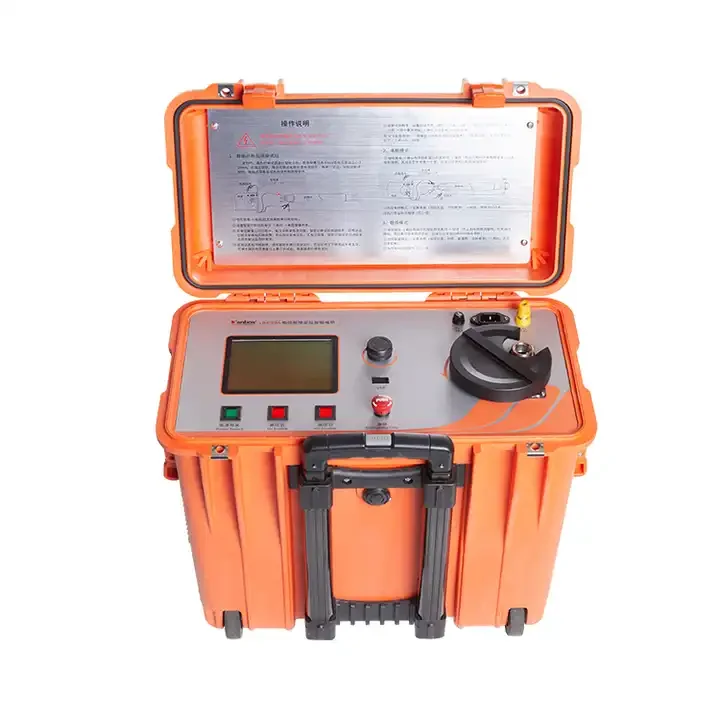
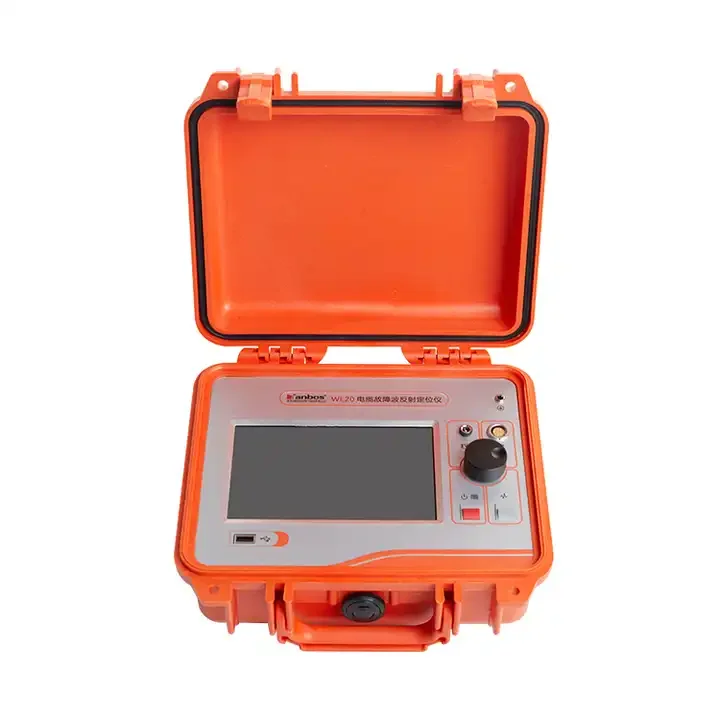
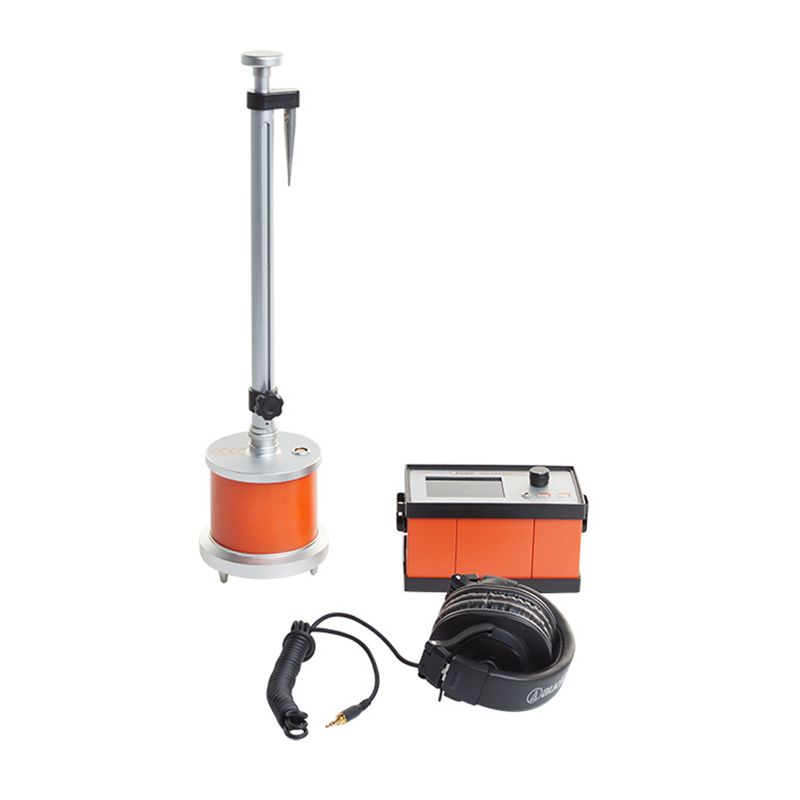
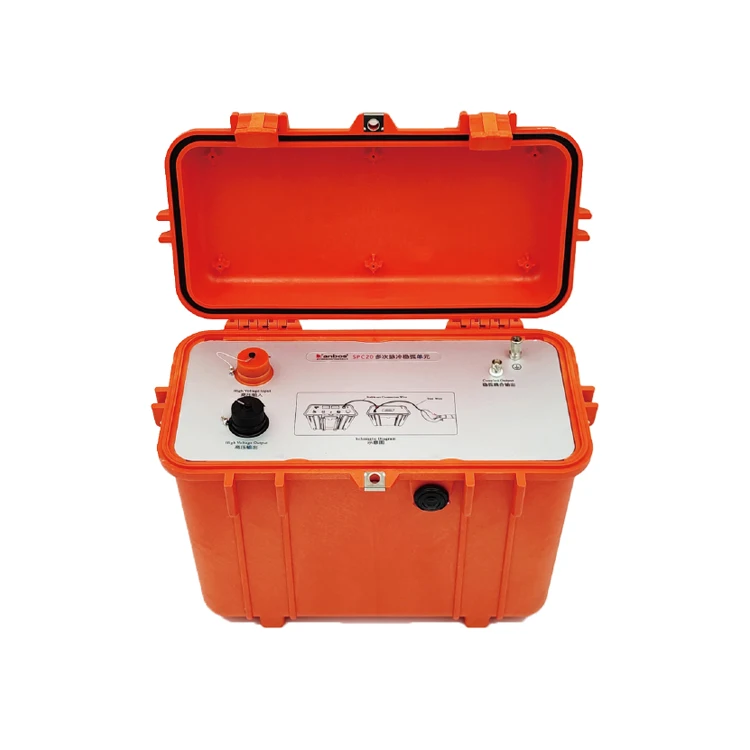
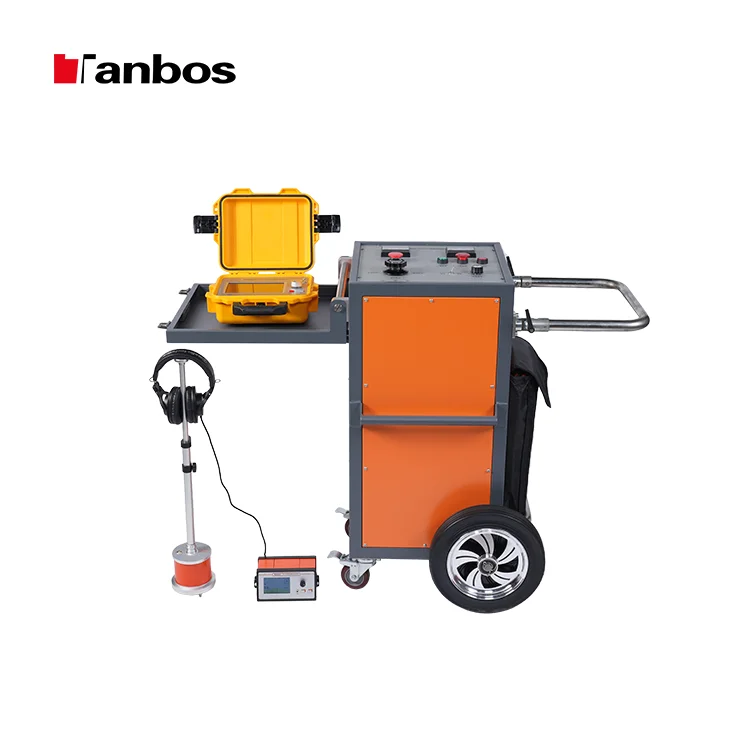
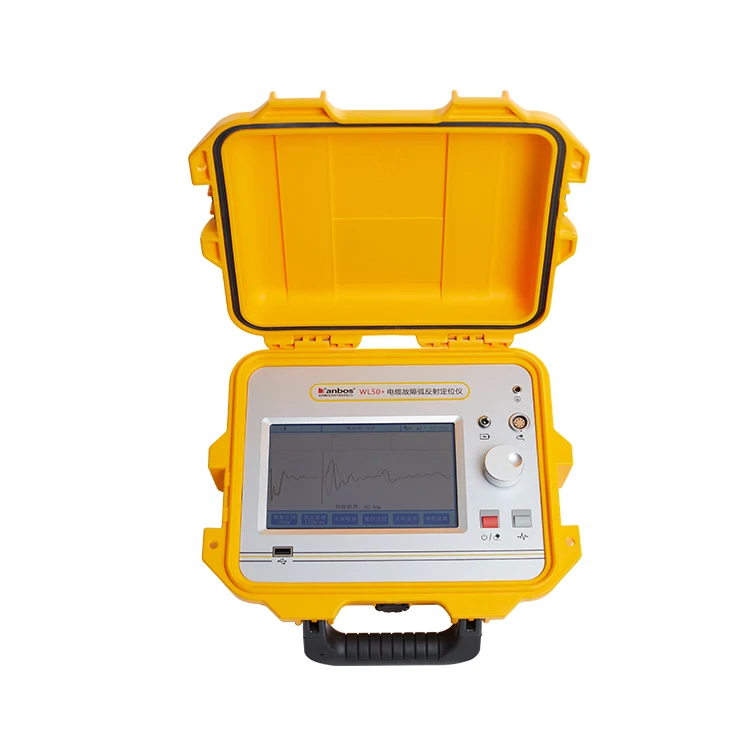
Electrical cable locator equipment is essential for professionals in industries ranging from construction to utilities, as it facilitates the accurate detection of underground cables and overhead lines. B2B buyers, such as purchasing managers, engineers, and product managers, often face challenges when selecting the right equipment, including concerns about accuracy, cost, and supplier reliability. This article aims to provide practical insights into choosing, sourcing, and installing electrical fault locator equipment, ensuring that buyers are well-informed before making a purchase. Tanbos, a subsidiary of Xianheng International Technology Co., Ltd., entered the cable detection and testing field in 2007 and focuses on the research and development and manufacturing of intelligent status early-warning and fault-diagnosis equipment for cables and overhead lines
Tanbos Electric Technology (Hangzhou) Co., Ltd., established in 2012 and headquartered in Hangzhou, China, specializes in cable fault location and status analysis instruments. Its product range includes cable fault locators, cable tracers, cable identifiers, DAC cable test systems, and VLF testers. The company operates a 90,000-square-meter production park for research and development and manufacturing and states that it has more than 200 technicians supporting pre-sales, sales, after-sales service, technical training, and field testing. Tanbos also provides customized products and technical solutions for applications including electric grids, railways, metros, power generation, nuclear power, wind power, and airports.
Selecting the right electrical cable locator equipment begins with understanding the specific application requirements. Consider factors such as the depth and type of cables to be detected. For instance, high-frequency electrical cable fault locator are suitable for shallow cables, while low-frequency models can detect deeper cables more effectively
Buyers should also assess the technology used in the equipment. Advanced models may incorporate features like GPS integration and data logging capabilities, which enhance usability and provide valuable insights into the detection process. Additionally, evaluate the ease of use, battery life, and durability of the equipment to ensure it meets operational demands in various environments
It's crucial to verify the accuracy specifications of the equipment. A reliable locator should provide readings within an acceptable margin of error, which is typically around ±5%. Understanding the performance parameters can prevent costly mistakes during installation or maintenance activities, ensuring that the right cables are identified and marked.
Finding dependable suppliers for electrical cable locator equipment is vital to ensure quality and service. Start by identifying manufacturers with a solid reputation in the industry, such as Tanbos, which has specialized in the research and development of such equipment since 2007
Attending industry trade shows and exhibitions can also provide valuable networking opportunities. Here, buyers can interact directly with manufacturers, ask questions about their products, and evaluate their offerings firsthand. Additionally, online platforms and industry associations often have directories of reputable suppliers, which can help narrow down choices
When evaluating potential suppliers, consider their customer support services, warranty options, and after-sales support. Reliable suppliers often provide comprehensive training and guidance on using their products, which can be beneficial for teams unfamiliar with the technology.
The cost of electrical cable locator equipment can vary significantly based on features, technology, and brand reputation. Buyers should consider their budget while also accounting for the total cost of ownership, which includes maintenance, training, and potential upgrades
When determining the budget, it's essential to assess the return on investment (ROI). Consider how the accurate detection of cables can reduce downtime and prevent costly damage during excavation or maintenance work. In many cases, investing in higher-quality equipment can lead to long-term savings and improved efficiency
Buyers should also inquire about bulk purchasing options or discounts, especially if they plan to equip multiple teams. Understanding the minimum order quantity (MOQ) and lead times can also help in planning procurement effectively.
Proper installation of electrical cable locator equipment is crucial for optimal performance. Before installation, ensure that the equipment is calibrated according to the manufacturer's specifications. Incorrect calibration can lead to inaccurate readings, potentially resulting in misidentified cables
It's advisable to conduct a thorough site assessment before installation. This includes identifying any potential interference sources, such as nearby metallic structures or utilities that could affect the locator's performance. Familiarizing the installation team with the equipment's manual and operational procedures can enhance the installation process
Post-installation, it's beneficial to run initial tests to ensure the equipment is functioning correctly. This may involve confirming detection accuracy against known cable locations. Training sessions for the operational team can further ensure that personnel are equipped to utilize the equipment effectively during actual field applications.
Positioned as "Cable Diagnostic Experts at Your Side," we provide professional, trusted technology and support to clients, backed by strong industry credibility and a track record of innovation.
We concentrate our efforts on developing cutting-edge cable diagnostic technologies, enabling precise early warning and reliable fault diagnosis for enhanced grid safety and efficiency.
With over 15 years of focused experience in cable detection and testing since 2007, we have built deep expertise in the R&D and manufacturing of intelligent early-warning and fault-diagnosis equipment for cables and overhead lines.
As an innovative technology enterprise, we integrate R&D, technical training, application support, and sales to provide a comprehensive, end-to-end solution for cable diagnostics.
When evaluating electrical cable locator equipment, several key features should be assessed to ensure suitability for specific applications:
Detection Range: Understand the maximum depth and distance that the equipment can accurately detect, which varies between models. This impacts its effectiveness based on the environment and application
Frequency Range: Different frequencies are suitable for different types of cables and depths. Verify that the locator can operate at the required frequencies for your specific needs
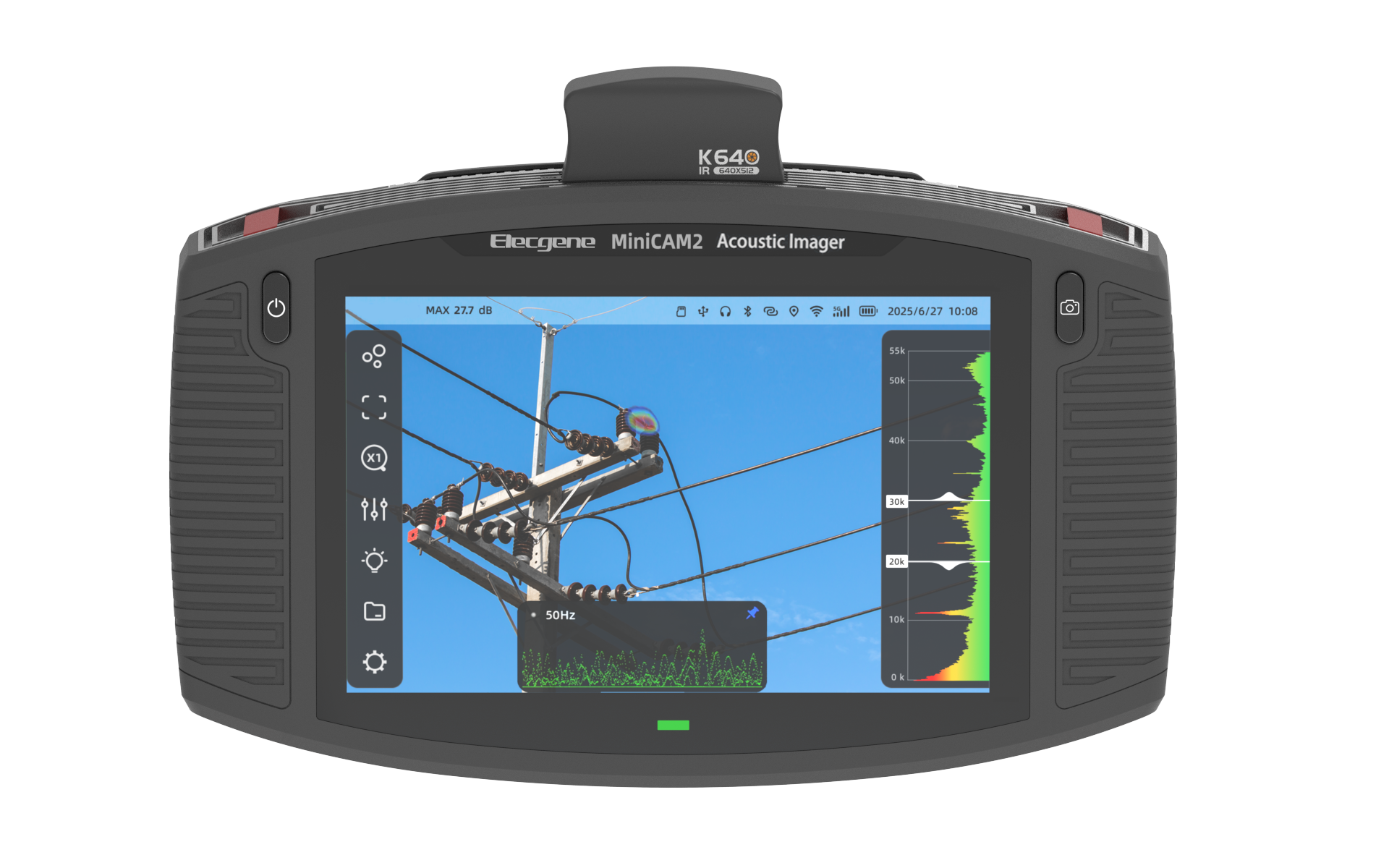
Data Logging and Reporting: Advanced electrical cable fault locators may offer data logging capabilities, allowing users to record detection data for further analysis. This feature can be beneficial for compliance and reporting requirements
User Interface: Consider the ease of use of the locator, including the clarity of the display and the intuitiveness of controls. A user-friendly interface minimizes training time and increases efficiency in the field
Durability and Build Quality: Ensure that the equipment is built to withstand the rigors of the working environment, especially if used in harsh conditions. Materials and construction quality play a significant role in longevity
Battery Life: Evaluate the battery life and charging options. Equipment that can run for extended periods without frequent recharging is advantageous in the field
By carefully assessing these features, buyers can ensure that they select electrical cable locator equipment that meets their operational needs and enhances overall efficiency.
 AR
 HR
 CS
 NL
 FR
 DE
 EL
 HI
 IT
 JA
 KO
 NO
 PL
 PT
 RO
 RU
 ES
 SV
 TL
 IW
 ID
 SR
 SK
 UK
 VI
 ET
 HU
 TH
 TR
 FA
 MS
 GA
 HY
 AZ
 UR
 BN
 LA
 MN
 KK