A company of Xianheng international
 EN
A company of Xianheng international
EN
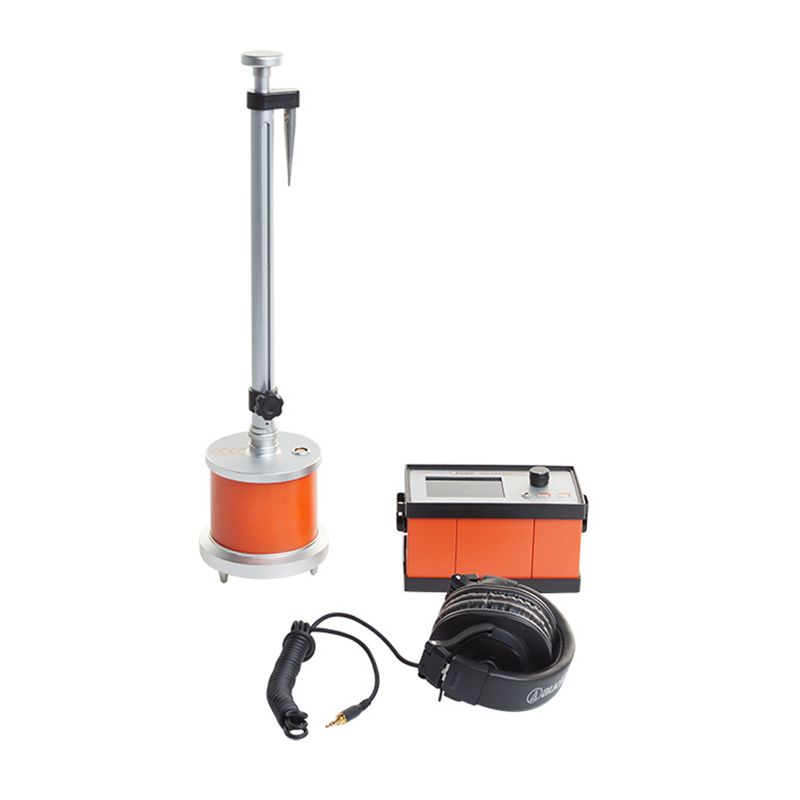
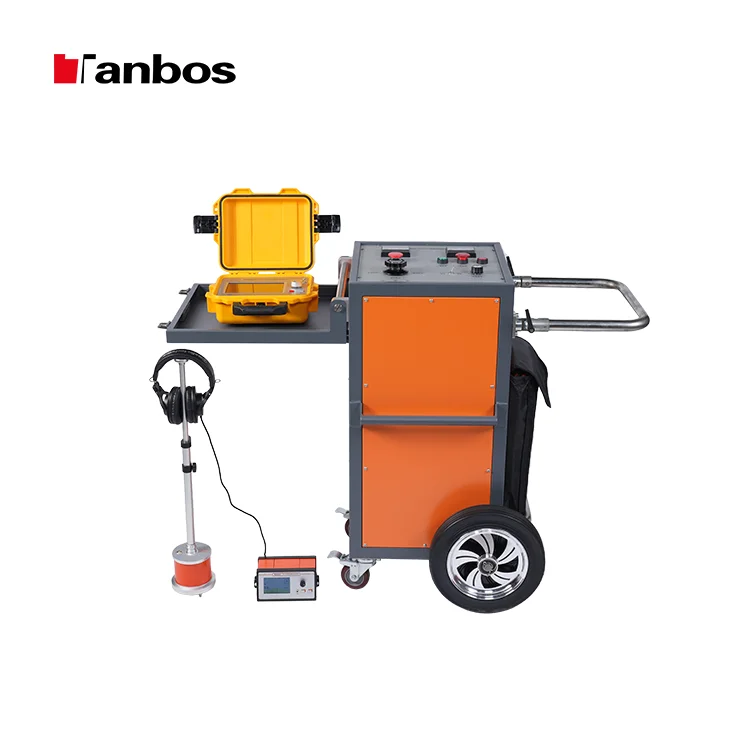
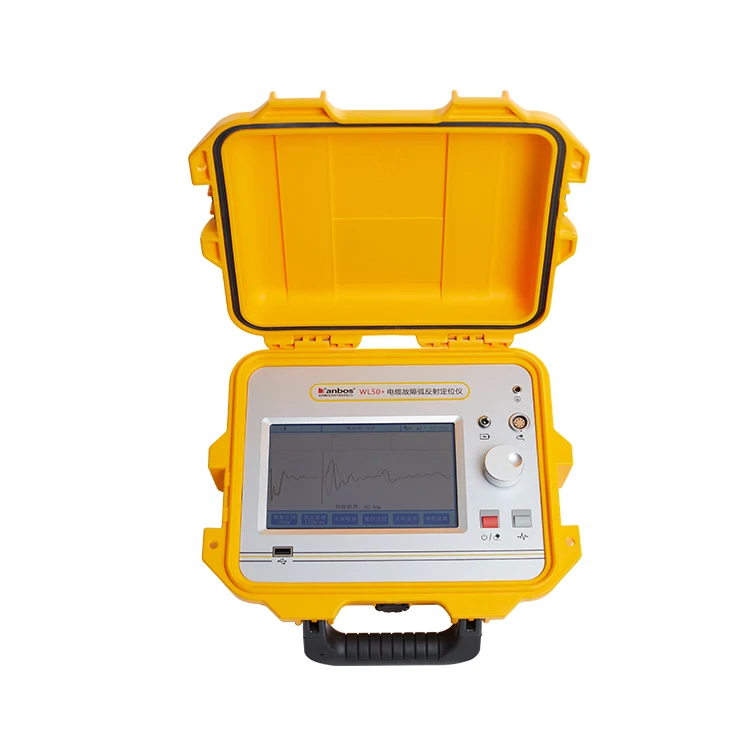
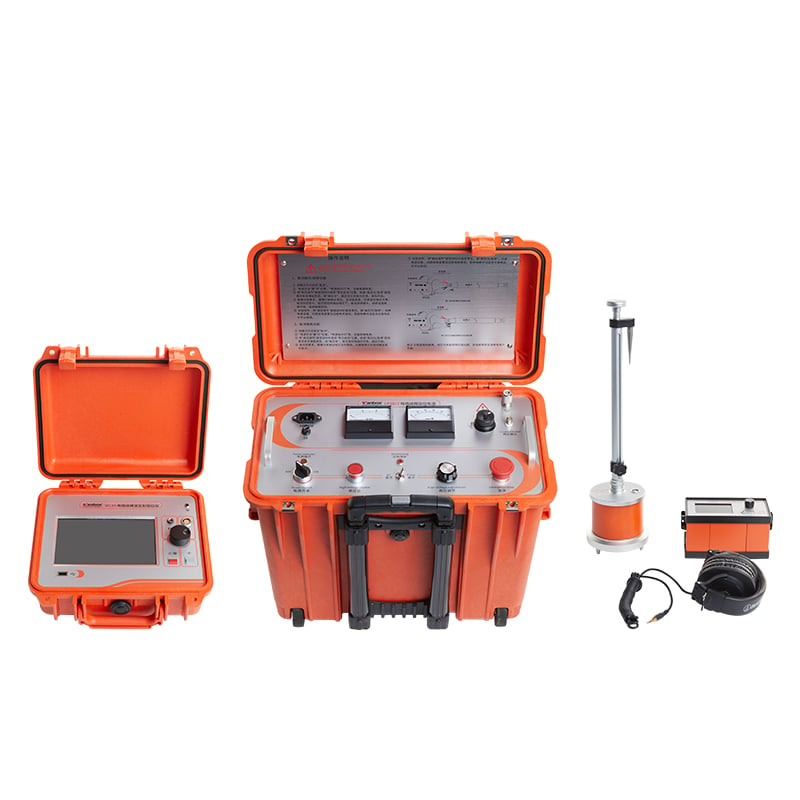
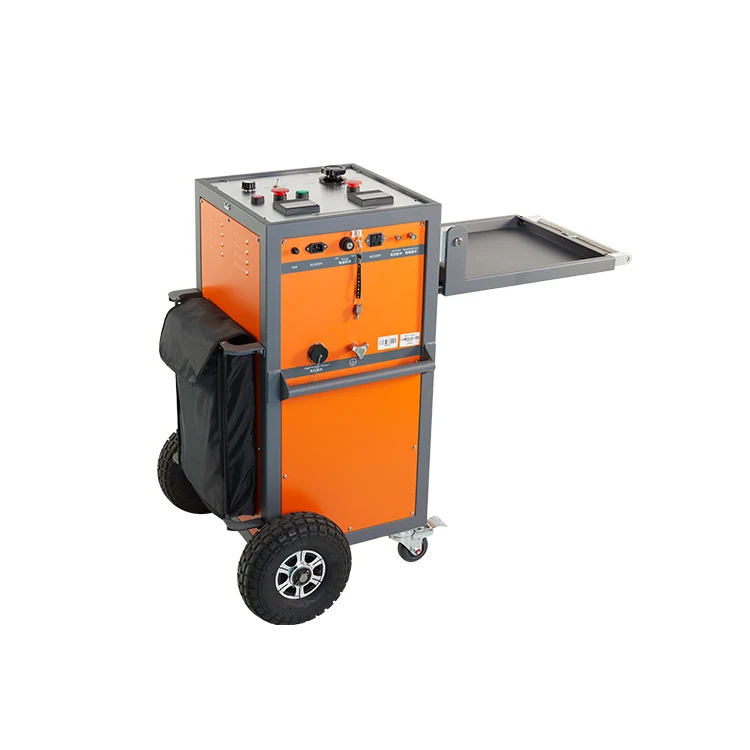
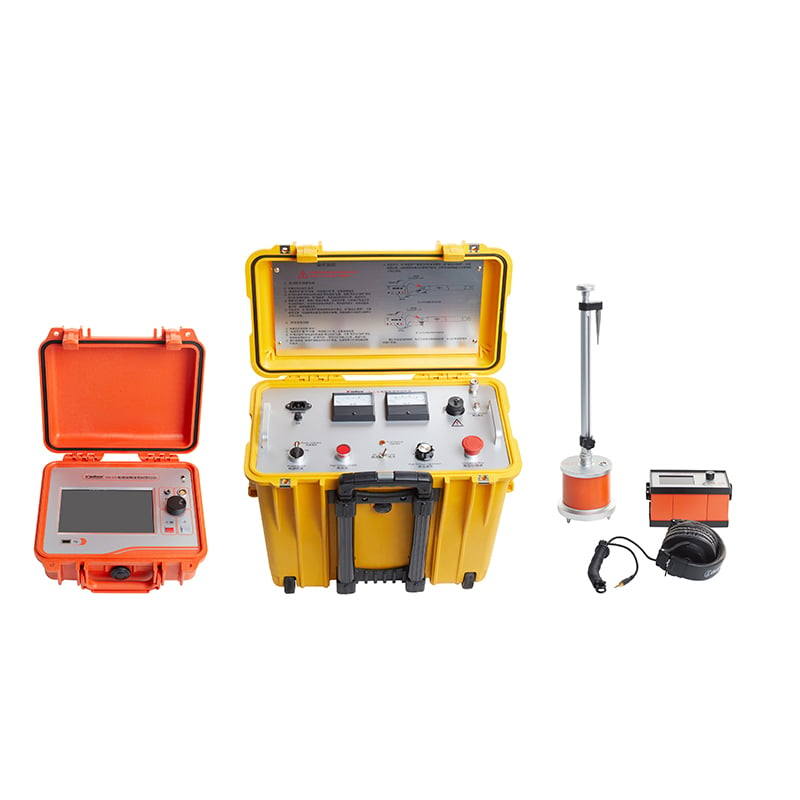
Detecting faults in underground cables is essential for maintaining the integrity of electrical systems, ensuring safety, and minimizing downtime for businesses. As a purchasing manager or engineer, your main concerns will likely revolve around the reliability and efficiency of fault diagnosis equipment. This article will delve into key considerations such as specifications, cost factors, and applications of advanced technology in fault in underground cable, helping you make an informed purchasing decision.
When assessing Tanbos underground cable fault diagnosis equipment, several specifications should be prioritized to ensure effective performance. Key factors include sensitivity, accuracy, and operating range.
Sensitivity refers to the equipment's ability to detect small faults. Higher sensitivity means the device can identify issues before they escalate, reducing potential downtime and repair costs.
Accuracy is crucial in pinpointing the exact location of faults. Equipment with high accuracy minimizes the time spent on repairs, as technicians can directly address the problem area without unnecessary digging or disruption.
Operating range pertains to the maximum depth and distance at which the equipment can effectively operate. Depending on your project needs, ensure that the equipment can handle the specific depths of your underground installations.
Before making a purchase, consider the environment in which the equipment will be used. For instance, if you are working in areas with high electromagnetic interference, the equipment should have features that mitigate this issue.
When evaluating the costs associated with underground cable fault detection equipment, several factors come into play:
Initial Investment: This includes the purchase price of the equipment, which can vary based on the technology used and its specifications. Higher-end models with advanced features will typically command a higher price.
Maintenance Costs: Factor in the ongoing maintenance required to keep the equipment in optimal condition. Regular calibration and servicing may be necessary, impacting the long-term cost of ownership.
Training Expenses: Proper usage of diagnostic equipment often requires specialized training. Ensure to include the costs of training personnel to effectively operate the equipment.
Potential Downtime: Consider the costs associated with downtime during maintenance or repairs. Investing in high-quality equipment may reduce long-term costs by minimizing these interruptions.
Understanding these cost factors will help you evaluate the total cost of ownership and ensure you select a solution that aligns with your budget while meeting performance needs.
Not all cable fault detection solutions are created equal. When comparing options, consider the following:
Technology Type: Different technologies are available, such as time-domain reflectometry (TDR) and fault location methods. Each has its advantages and may be suited to different types of faults or underground cable fault detection.
User Interface: A user-friendly interface can significantly impact efficiency and accuracy during operation. Look for solutions that offer intuitive controls and clear displays for ease of use.
Data Analysis Capabilities: Advanced equipment may include software for data analysis, allowing you to track fault history and trends over time. This feature can aid in predicting future issues and planning maintenance.
Portability: Depending on your operational needs, consider whether the equipment is portable or fixed. Portable solutions may be more versatile for various job sites.
By comparing these factors, you can make an informed decision that balances performance, ease of use, and budget constraints.
Advanced technology has greatly enhanced the capabilities of Tanbos underground cable fault detection equipment. Key applications include:
Real-time Monitoring: Many modern systems offer real-time monitoring of cable conditions, alerting operators to potential faults before they become critical.
Remote Diagnostics: Some solutions allow for remote diagnostics, enabling technicians to assess cable conditions without being physically present at the site. This can save time and resources, especially in hard-to-reach locations.
Integration with Other Systems: Advanced diagnostic equipment can often be integrated with existing infrastructure management systems, providing a comprehensive view of network health and performance.
Data Analytics: Utilizing big data analytics, manufacturers can provide insights into trends and patterns in cable performance, helping organizations to proactively manage their assets.
These advanced technologies can optimize maintenance schedules, reduce unexpected failures, and ultimately enhance system reliability.
With over 15 years of focused experience in cable detection and testing since 2007, we have built deep expertise in the R&D and manufacturing of intelligent early-warning and fault-diagnosis equipment for cables and overhead lines.
As an innovative technology enterprise, we integrate R&D, technical training, application support, and sales to provide a comprehensive, end-to-end solution for cable diagnostics.
Positioned as "Cable Diagnostic Experts at Your Side," we provide professional, trusted technology and support to clients, backed by strong industry credibility and a track record of innovation.
We concentrate our efforts on developing cutting-edge cable diagnostic technologies, enabling precise early warning and reliable fault diagnosis for enhanced grid safety and efficiency.
When considering wholesale purchases of Tanbos underground cable testing equipment, keep the following tips in mind:
Minimum Order Quantity (MOQ): Understand the MOQ set by the manufacturer, as this can impact your budget and storage capabilities.
Customization Options: Inquire whether the manufacturer offers customization options to meet specific project requirements. Custom solutions can enhance functionality, but may also affect lead times and costs.
Quality Assurance: Ensure that the manufacturer has robust quality control processes in place. Request information on certifications and quality standards to verify the reliability of their products.
Shipping and Delivery Terms: Discuss shipping options and delivery timelines to ensure timely receipt of equipment, particularly if you are operating under tight deadlines.
Engaging with manufacturers who provide transparent communication, support, and quality assurance can greatly enhance your purchasing experience, ensuring you receive the best possible equipment for your needs.
By understanding the specifications, cost factors, and advanced technologies involved in underground cable fault detection machine, you will be better equipped to make informed decisions when selecting the right equipment for your operations.
 AR
 HR
 CS
 NL
 FR
 DE
 EL
 HI
 IT
 JA
 KO
 NO
 PL
 PT
 RO
 RU
 ES
 SV
 TL
 IW
 ID
 SR
 SK
 UK
 VI
 ET
 HU
 TH
 TR
 FA
 MS
 GA
 HY
 AZ
 UR
 BN
 LA
 MN
 KK