A company of Xianheng international
 EN
A company of Xianheng international
EN
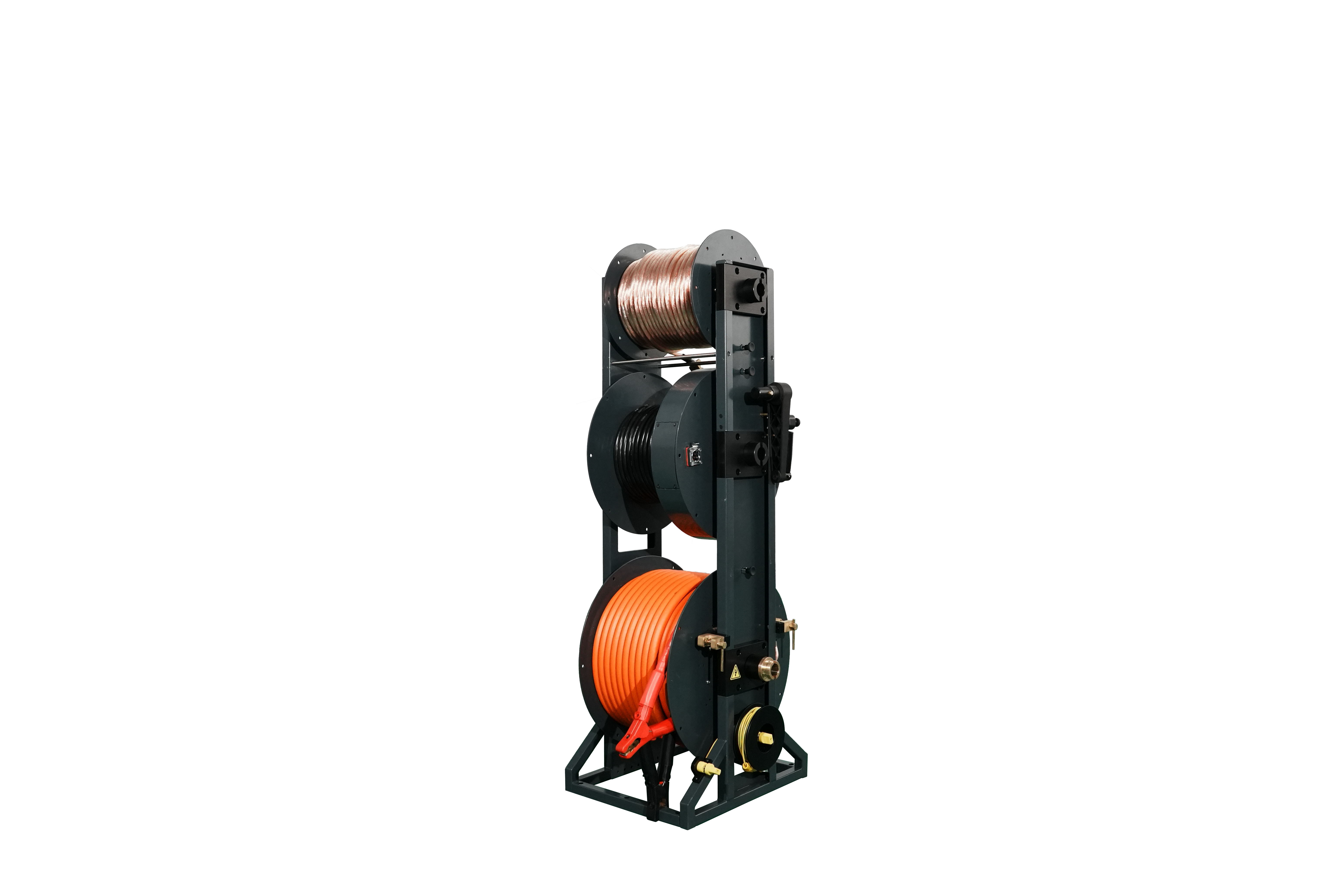
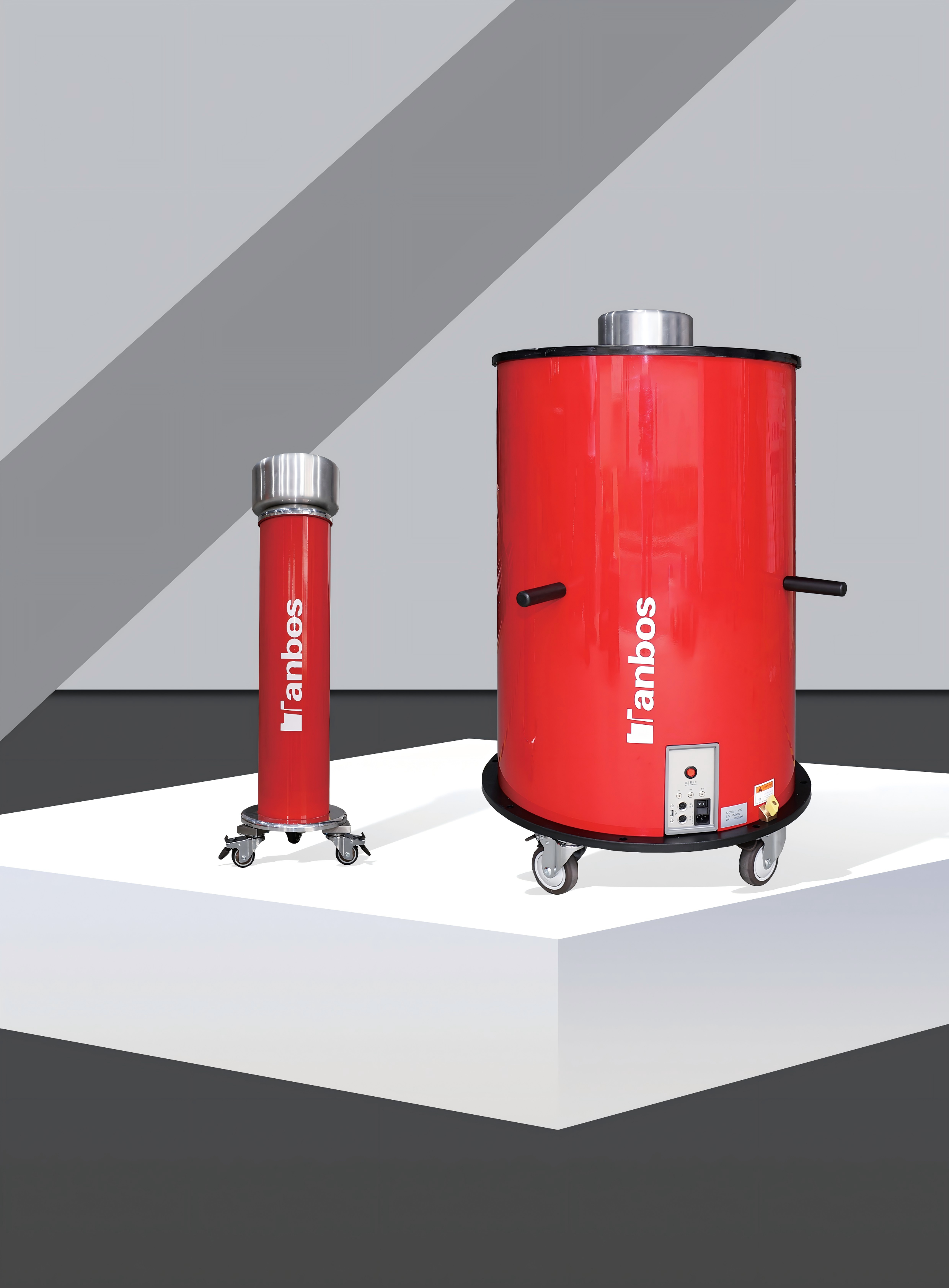
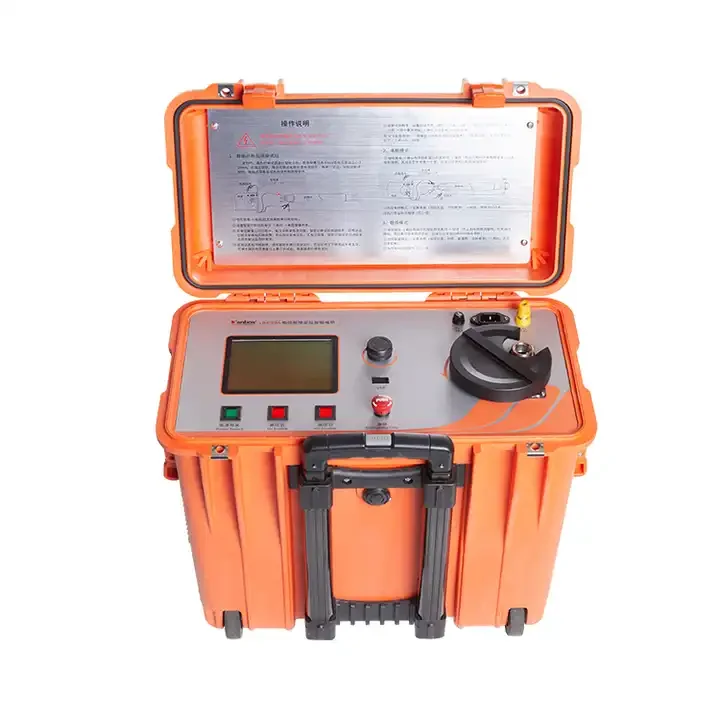
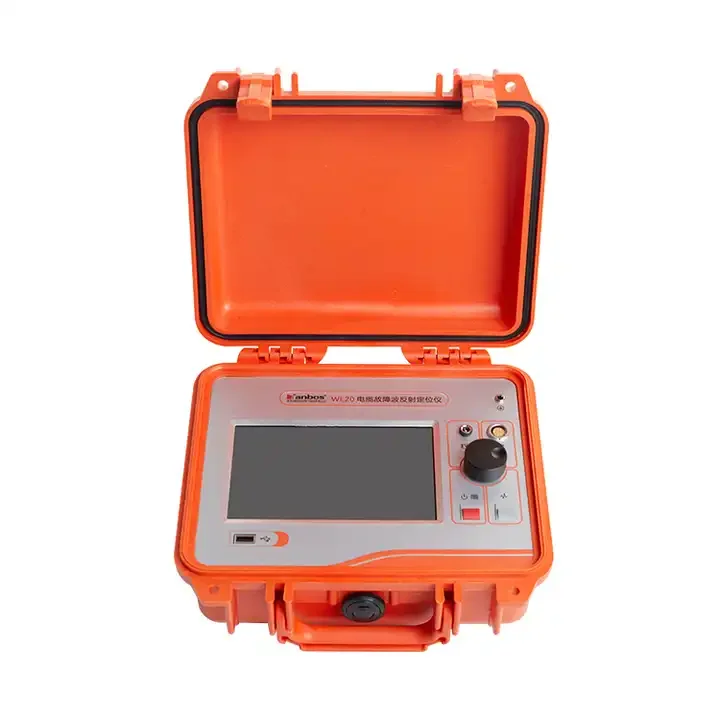
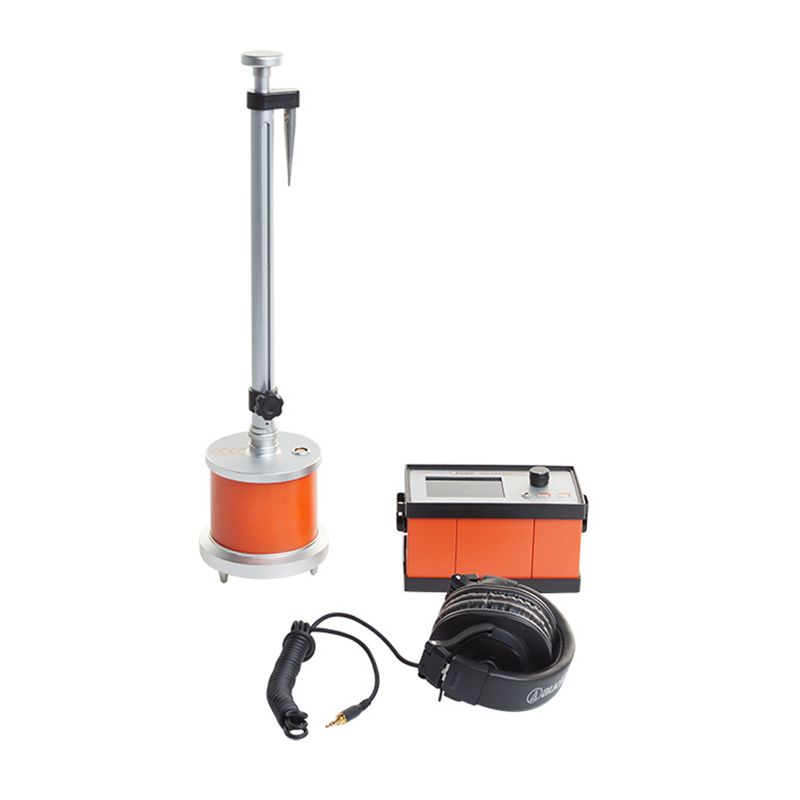
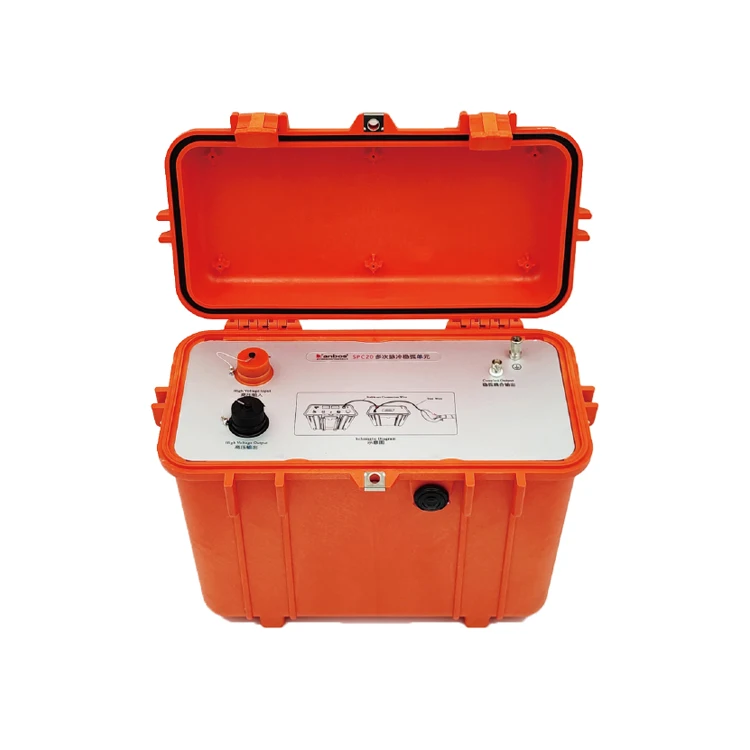
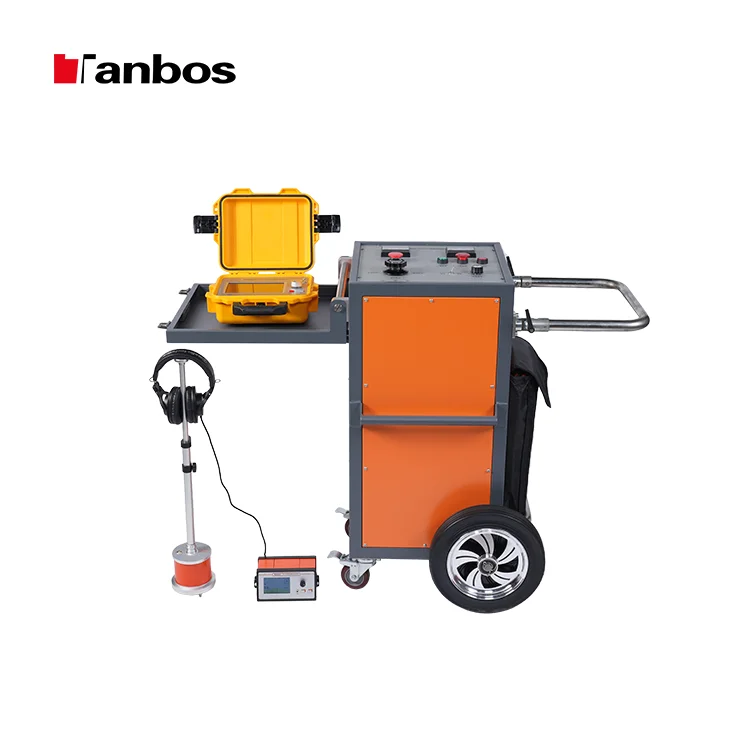
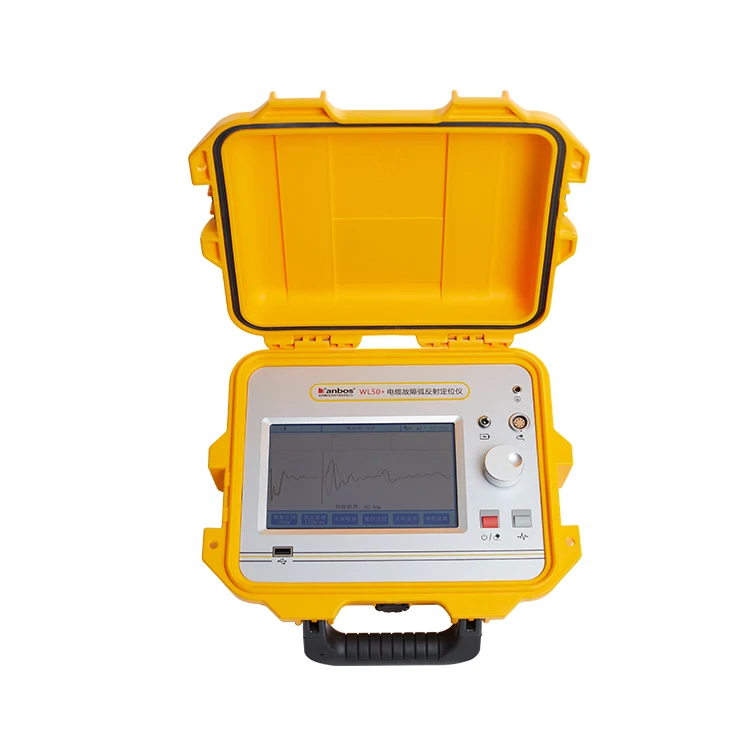
Thumper cable testers are essential tools designed for the effective detection and testing of cables and overhead lines. These devices help identify faults and ensure the reliability of electrical systems, which is crucial for various industries. As a purchasing manager, engineer, or product manager, you may have concerns about selecting the right Thumper cable tester for your specific project requirements, understanding how to use them correctly, and addressing common issues that may arise during cable testing. This article aims to provide comprehensive insights into these aspects, helping you make informed decisions
Selecting the appropriate Thumper vlf cable tester is critical to achieving reliable results. Consider the following aspects
Voltage Rating: Different projects may require testers with varying voltage capabilities. Ensure the tester can handle the voltage levels of the cables you are working with. For example, if you’re testing high-voltage cables, you need a tester that can operate safely at those levels
Testing Method: Thumper testers can use various methods such as impulse testing or steady-state testing. Understanding the method suitable for your application is vital. Impulse testing is often preferred for locating faults due to its ability to deliver a high-voltage surge, while steady-state testing may be used for overall condition assessment
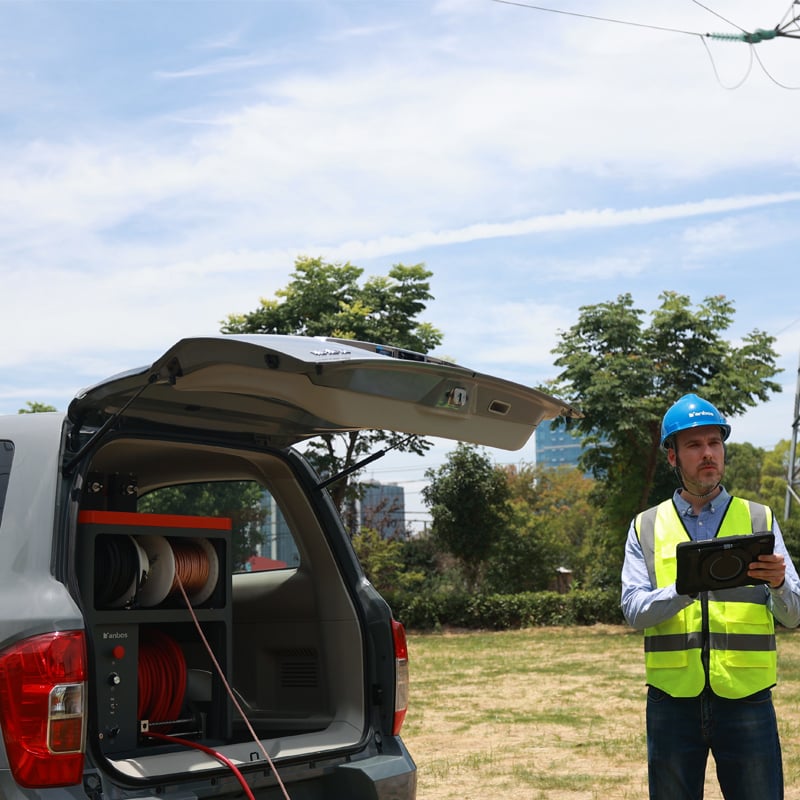
Portability: Depending on the nature of your work, you may need a portable tester that is easy to transport on-site. Evaluate the weight and design to ensure it meets your mobility requirements
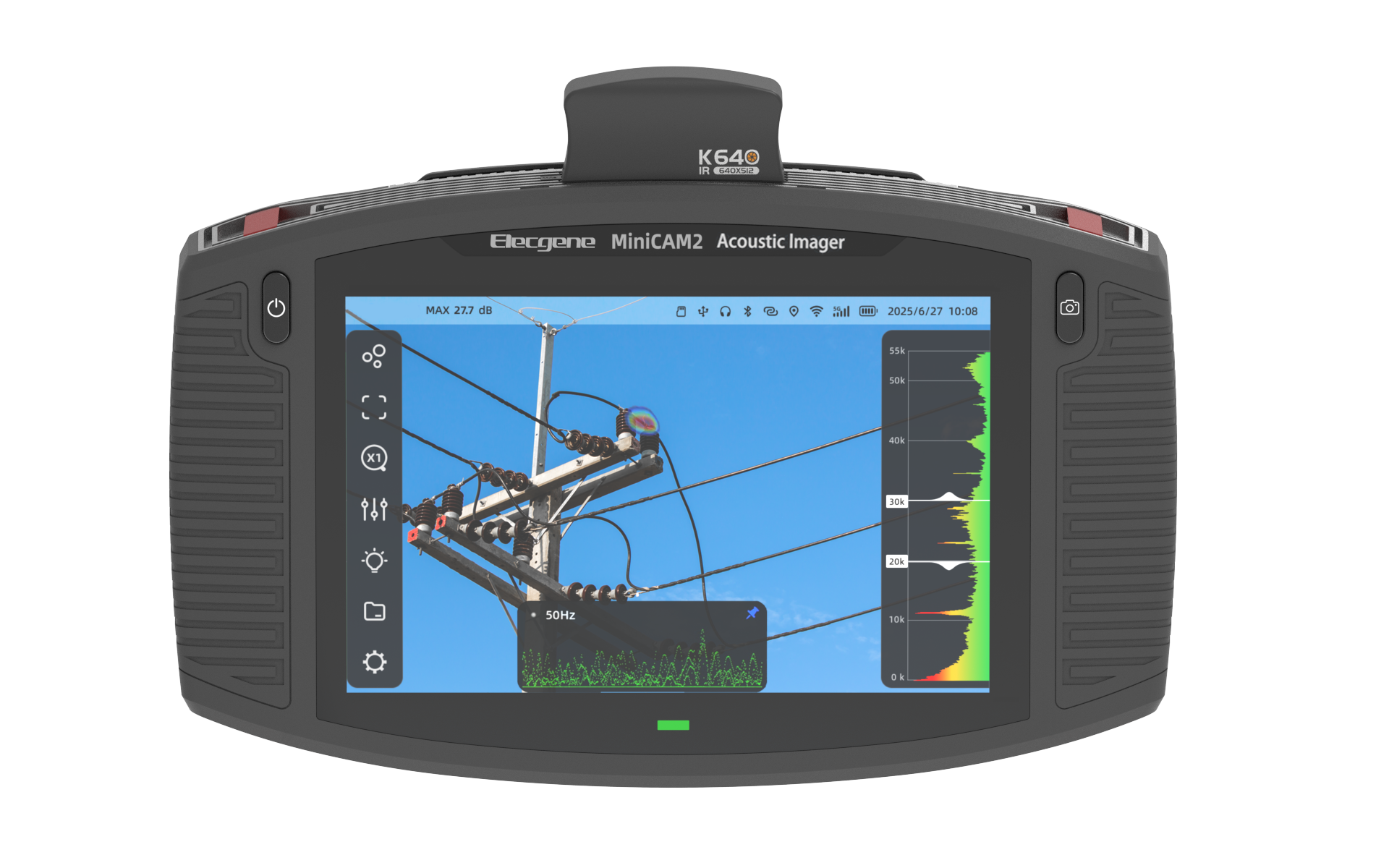
Additional Features: Some Thumper testers come equipped with advanced features such as fault location capabilities, data logging, and user-friendly interfaces. These features can enhance your testing efficiency and accuracy
Customization Capabilities: If your project has unique requirements, consider a manufacturer that can customize the tester to fit your specific needs, such as adding specific connectors or output configurations
Using a Thumper cable tester requires adherence to safety protocols and operational guidelines. Here are steps to ensure effective usage
Safety Precautions: Prior to using the tester, ensure that all personnel are aware of safety protocols. This includes wearing appropriate personal protective equipment (PPE) and ensuring that the area is clear of unauthorized personnel
System Preparation: Disconnect the cable from the power source and ground it properly. This step is crucial to prevent accidental electrocution and equipment damage
Setting Up the Tester: Connect the Thumper cable tester to the cable you intend to test. Ensure that all connections are secure. Adjust the settings according to the voltage rating and testing method you plan to use
Conducting the Test: Initiate the testing process by following the manufacturer's instructions. Observe any readings or signals indicating faults. If a fault is detected, the tester may provide information on the location of the fault
Post-Test Procedures: After testing, properly disconnect the tester and restore the cable to its original state. Document all findings for future reference and analysis
Cable testing can present various challenges, but understanding these common problems can help you develop effective solutions
Inaccurate Readings: This can occur due to improper connections or faulty equipment. Ensure all connections are secure and that the tester is calibrated correctly. Regular maintenance of the tester is essential to avoid inaccuracies
Environmental Interference: External factors such as electromagnetic interference from nearby equipment can affect test results. Performing tests in a controlled environment or using shielded cables can minimize this issue
Faulty Cables: Sometimes, the cables themselves can be the issue. Conduct a preliminary inspection to identify visible signs of wear or damage. Implementing regular maintenance schedules can help in early detection
User Error: Inadequate training can lead to incorrect usage of the equipment. Providing thorough training for operators on how to use the Thumper hv cable tester and best practices can mitigate this risk
Thumper cable testers find applications across a range of industries, including
Utility Companies: Utility providers utilize Thumper testers to ensure the integrity of electrical distribution systems, helping to maintain reliable service and prevent outages
Telecommunications: In telecommunications, these testers are used to verify the integrity of cabling used in networks, ensuring uninterrupted communication services
Manufacturing: Industries that rely on automated machinery use Thumper testers to check the condition of cables connecting various machines, preventing costly downtime
Construction: Construction companies use these testers to assess cable conditions in new builds, ensuring compliance with safety standards and operational reliability
Transportation: In the transportation sector, Thumper testers are vital for ensuring that cables in vehicles and infrastructure systems are functioning correctly, contributing to overall safety and performance
Positioned as "Cable Diagnostic Experts at Your Side," we provide professional, trusted technology and support to clients, backed by strong industry credibility and a track record of innovation.
We concentrate our efforts on developing cutting-edge cable diagnostic technologies, enabling precise early warning and reliable fault diagnosis for enhanced grid safety and efficiency.
As an innovative technology enterprise, we integrate R&D, technical training, application support, and sales to provide a comprehensive, end-to-end solution for cable diagnostics.
With over 15 years of focused experience in cable detection and testing since 2007, we have built deep expertise in the R&D and manufacturing of intelligent early-warning and fault-diagnosis equipment for cables and overhead lines.
Ensuring the quality of Thumper cable testers is paramount for manufacturers. Here are key quality control measures to implement
Material Selection: The materials used in manufacturing Thumper cable testers should meet industry standards for durability and performance. High-quality components ensure longevity and reliability
Testing Procedures: Implement rigorous testing protocols during the manufacturing process. Each unit should undergo a series of tests to verify performance accuracy and safety compliance
Calibration Standards: Establish calibration standards for all testing equipment. Regular calibration checks can help maintain the accuracy of the testers over time
Certification Compliance: Ensure that all products comply with relevant industry certifications. This not only enhances product credibility but also meets legal and safety requirements
Feedback Mechanisms: Implement a feedback loop with end-users to gather insights on product performance in real-world applications. This information can inform future product improvements and innovation
By understanding the essential aspects of Thumper hv cable testers, you can make informed purchasing decisions that align with your project requirements. Whether you are selecting, using, or troubleshooting these devices, a clear grasp of their functionalities and applications will significantly enhance your operational effectiveness
 AR
 HR
 CS
 NL
 FR
 DE
 EL
 HI
 IT
 JA
 KO
 NO
 PL
 PT
 RO
 RU
 ES
 SV
 TL
 IW
 ID
 SR
 SK
 UK
 VI
 ET
 HU
 TH
 TR
 FA
 MS
 GA
 HY
 AZ
 UR
 BN
 LA
 MN
 KK