A company of Xianheng international
 EN
A company of Xianheng international
EN
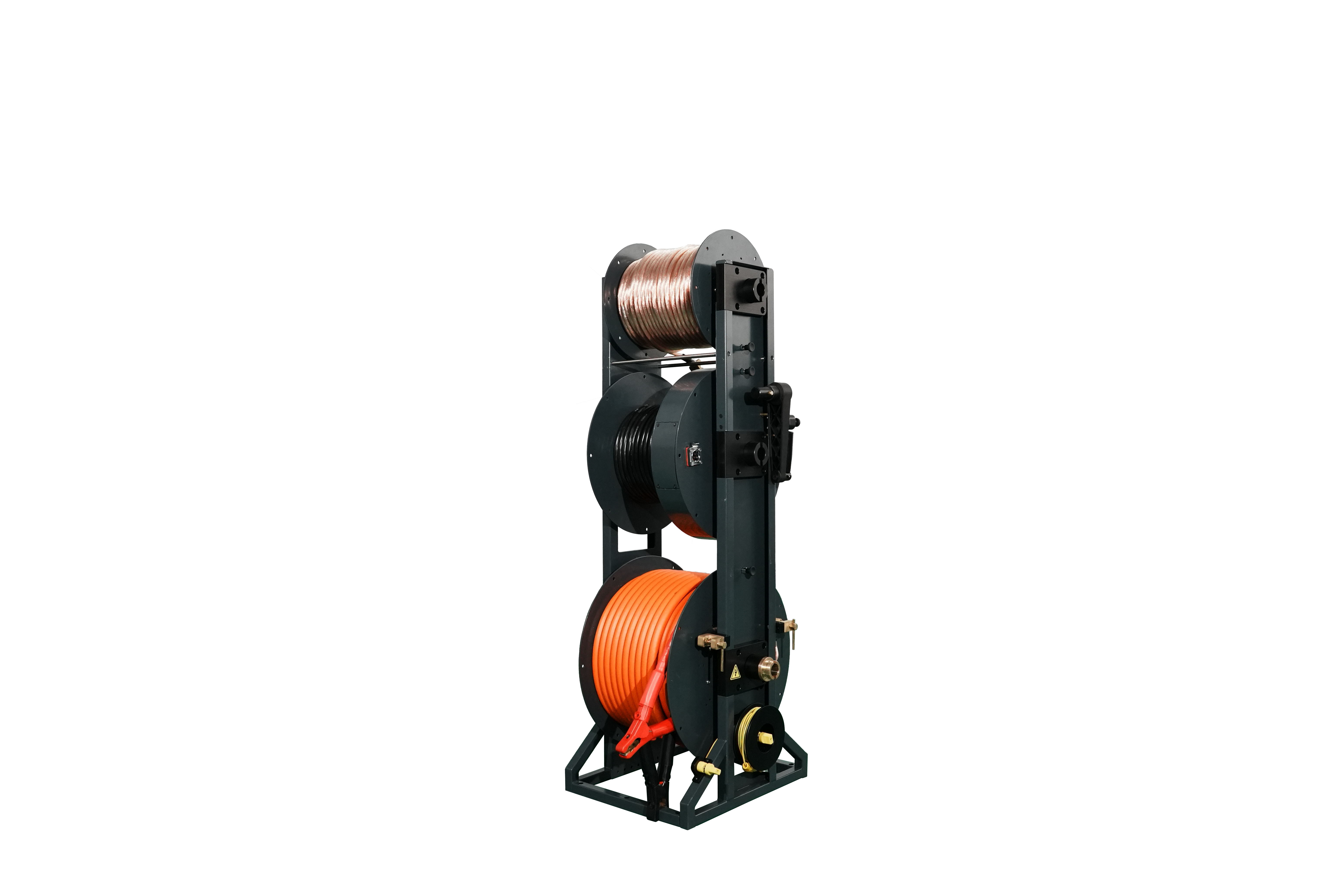
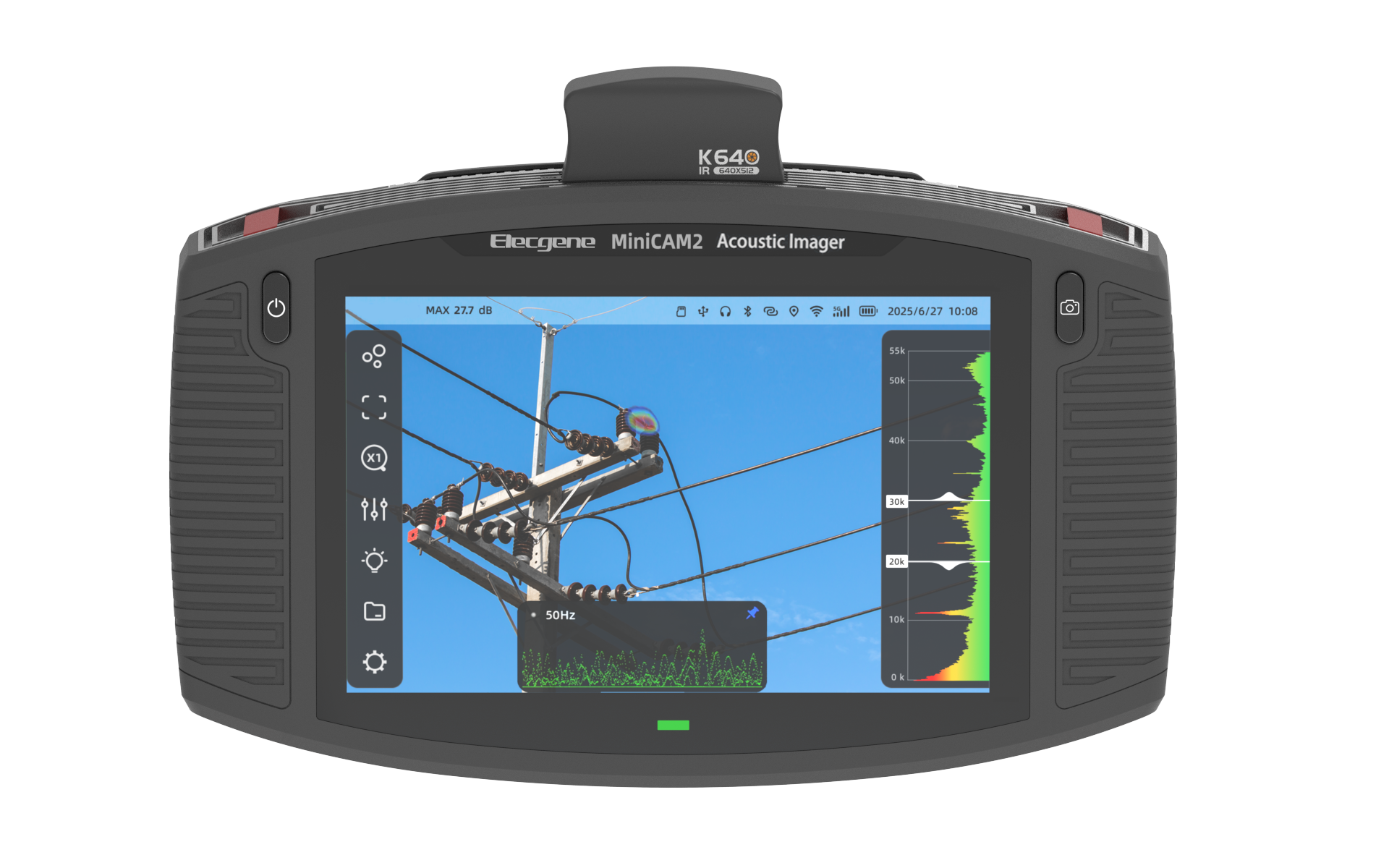
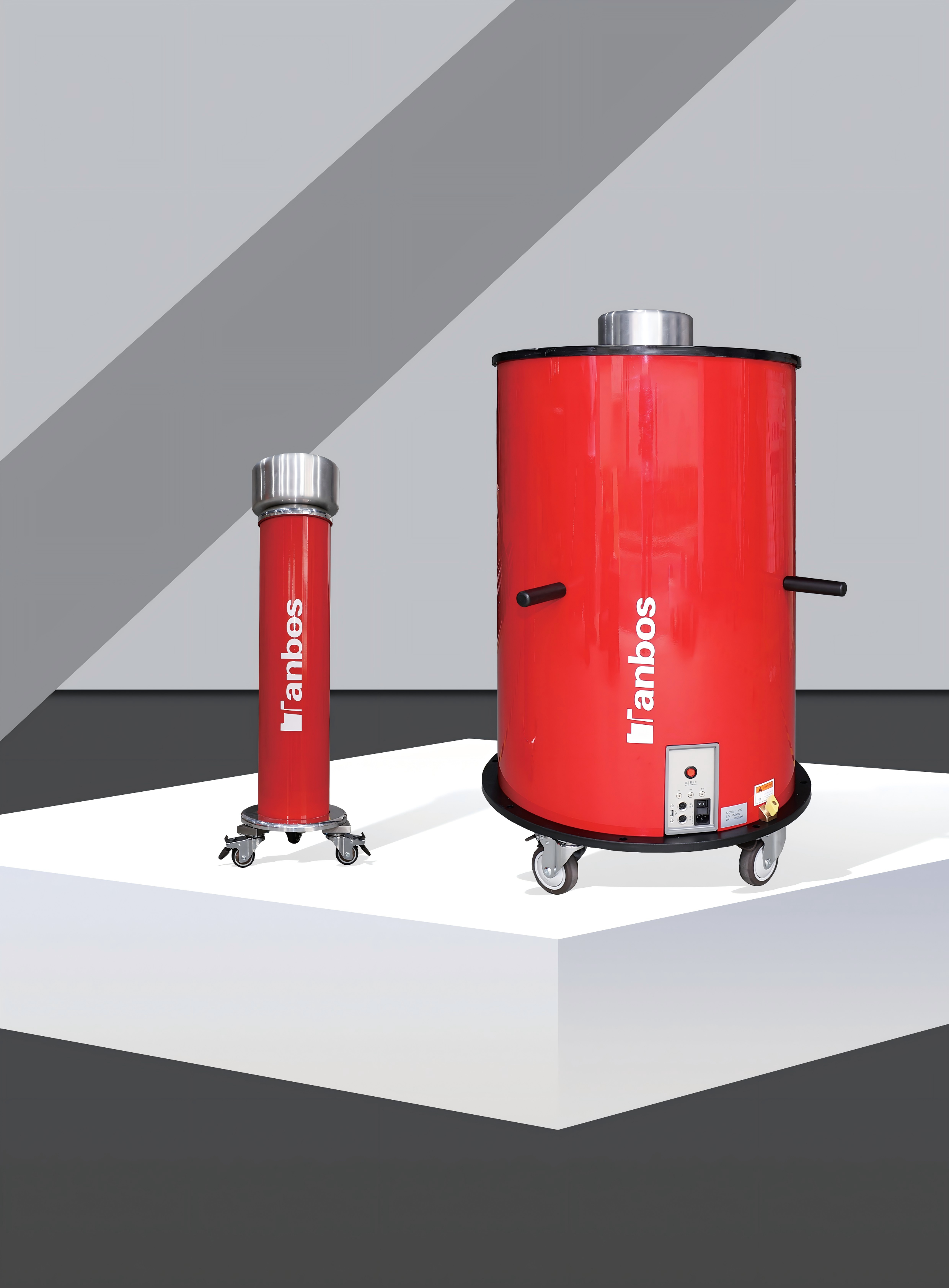
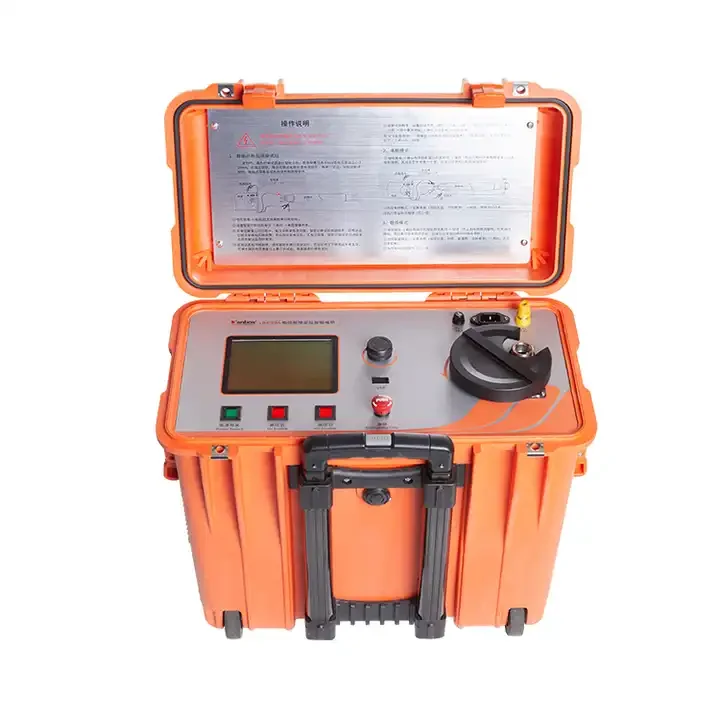
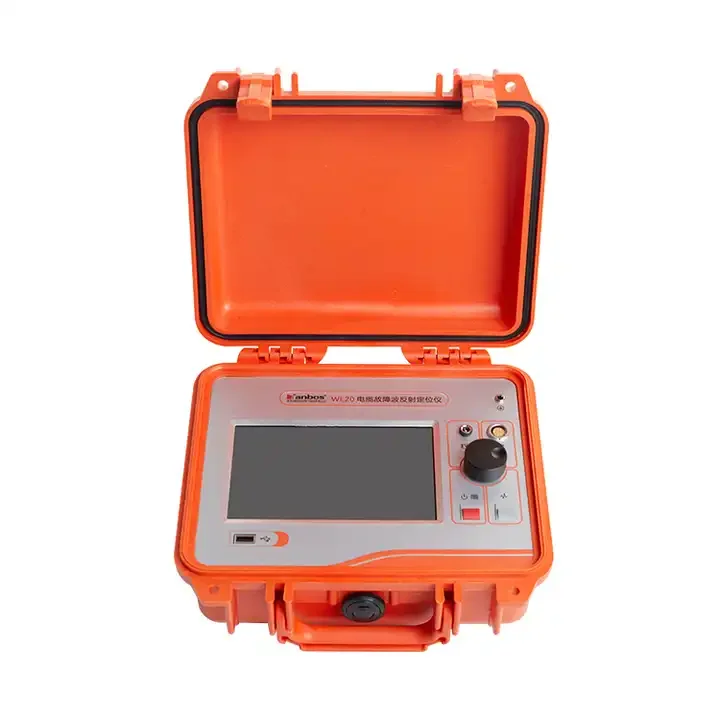
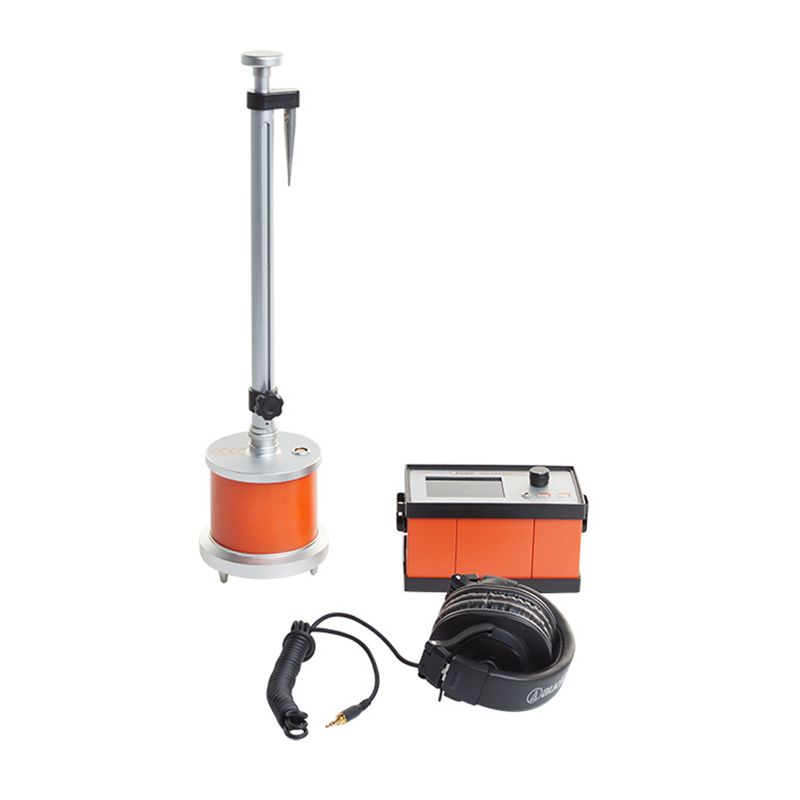
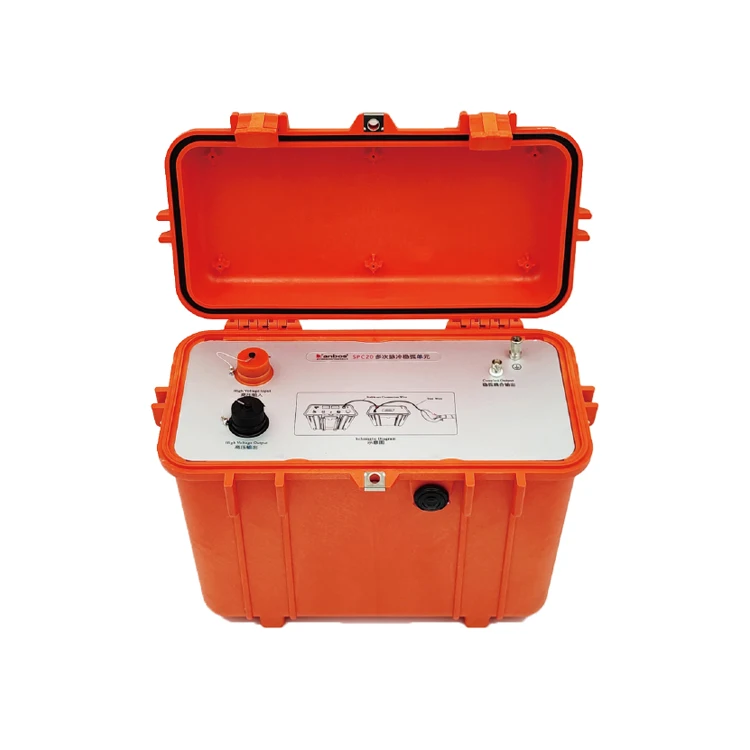
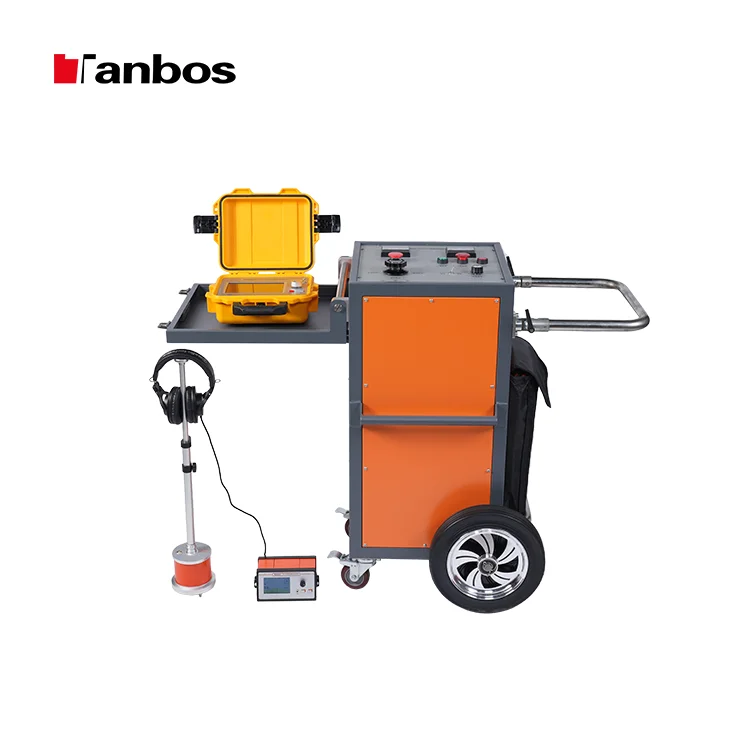
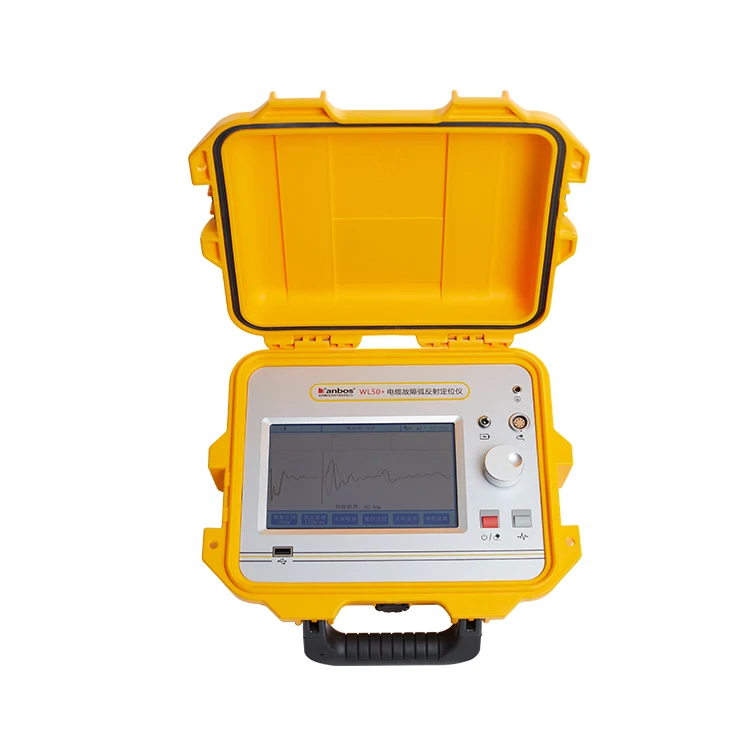
Underground cable fault detection systems are essential tools for identifying and diagnosing issues within underground cable networks, ensuring minimal downtime and efficient maintenance. As a B2B buyer, concerns typically revolve around the reliability, accuracy, and cost-effectiveness of these systems. This article will provide insights into the key specifications, supplier options, quality factors, cost considerations, and diverse applications of underground cable Cable Fault Location detection systems to help you make informed purchasing decisions.
When evaluating underground cable fault detection systems, several key specifications must be considered. These include:
Detection Range: This refers to the maximum distance over which the system can effectively identify faults. A longer detection range allows for more extensive coverage and may reduce the need for multiple devices, which is beneficial for large installations.
Sensitivity: The sensitivity of the system impacts its ability to detect minor faults, including insulation failures or intermittent connections. High sensitivity is crucial for preventing failures before they escalate into significant issues.
Response Time: This is the time taken by the system to identify and report a fault. Faster response times are essential for minimizing downtime and preventing damage to the infrastructure.
Operating Environment: Consideration of the environmental conditions in which the system will operate is important. Systems may need to withstand extreme temperatures, moisture, or other environmental factors that could affect performance.
Integration Capabilities: Many modern systems can integrate with existing monitoring and control systems, making it easier to manage and analyze data across multiple platforms.
Understanding these specifications helps ensure that the chosen system meets the operational needs and performance expectations of your specific application.
Finding trustworthy suppliers for underground cable fault detection systems involves several strategies:
Industry Trade Shows and Conferences: Participating in industry events can provide opportunities to meet manufacturers and distributors face-to-face. This interaction allows for firsthand assessment of their products and capabilities.
Online Research and Directories: Websites like ThomasNet or industry-specific directories can help identify suppliers that specialize in cable cable fault locating equipment detection systems. Look for companies with positive reviews and a strong track record.
Professional Networks: Engaging with industry professionals through platforms like LinkedIn can yield recommendations for reputable suppliers. Networking with peers can also provide insights into their experiences with different manufacturers.
Request for Proposals (RFPs): Issuing RFPs can attract bids from qualified suppliers, allowing you to compare offerings and evaluate their suitability based on your specific requirements.
By thoroughly vetting potential suppliers through these channels, you can identify reliable partners who meet your quality and service expectations.
Quality is a critical factor when comparing underground cable fault detection systems. Here are some aspects to consider:
Material Quality: The materials used in the construction of the detection system significantly affect its durability and performance. For instance, high-quality insulation materials will withstand environmental stresses better, ensuring longevity.
Manufacturing Processes: Understanding the manufacturing capabilities and processes is crucial. Look for suppliers that adhere to quality management standards and best practices in their production methods.
Certifications: Suppliers may hold certifications such as ISO 9001, which indicates adherence to quality management standards. Certifications can provide assurance of the product's reliability and performance.
Testing Procedures: Inquire about the testing protocols that the systems undergo. Reliable suppliers will have rigorous quality control processes to ensure their products meet specified performance standards.
Warranty and Support: A robust warranty and comprehensive customer support can be indicators of a manufacturer’s confidence in their product quality. Evaluate the terms of service and support options to ensure they align with your operational needs.
By comparing these quality factors, you can make a more informed decision that minimizes the risk of purchasing a subpar system.
Cost is a significant consideration when sourcing underground cable fault detection systems. Several factors can influence pricing:
System Complexity: More advanced systems with enhanced features such as real-time monitoring, data analytics, and integration capabilities typically come at a higher cost. Determine which features are necessary for your application to avoid overspending.
Volume Discounts: Purchasing in bulk may qualify you for discounts. Consider your current and future needs to negotiate better pricing based on order volume.
Customization Costs: If your application requires specialized features or configurations, be prepared for potential additional costs. Ensure that any customization aligns with your budget constraints.
Maintenance and Operation Costs: Evaluate the total cost of ownership, which includes not just the initial purchase price, but also ongoing maintenance and operational expenses over the system's lifespan.
By carefully analyzing these cost considerations, you can better manage your budget and ensure that you are making a financially sound decision.
We concentrate our efforts on developing cutting-edge cable diagnostic technologies, enabling precise early warning and reliable fault diagnosis for enhanced grid safety and efficiency.
As an innovative technology enterprise, we integrate R&D, technical training, application support, and sales to provide a comprehensive, end-to-end solution for cable diagnostics.
Positioned as "Cable Diagnostic Experts at Your Side," we provide professional, trusted technology and support to clients, backed by strong industry credibility and a track record of innovation.
With over 15 years of focused experience in cable detection and testing since 2007, we have built deep expertise in the R&D and manufacturing of intelligent early-warning and fault-diagnosis equipment for cables and overhead lines.
Underground cable fault detection systems have diverse applications across multiple industries, reflecting their importance in maintaining the integrity of electrical networks. Some notable applications include:
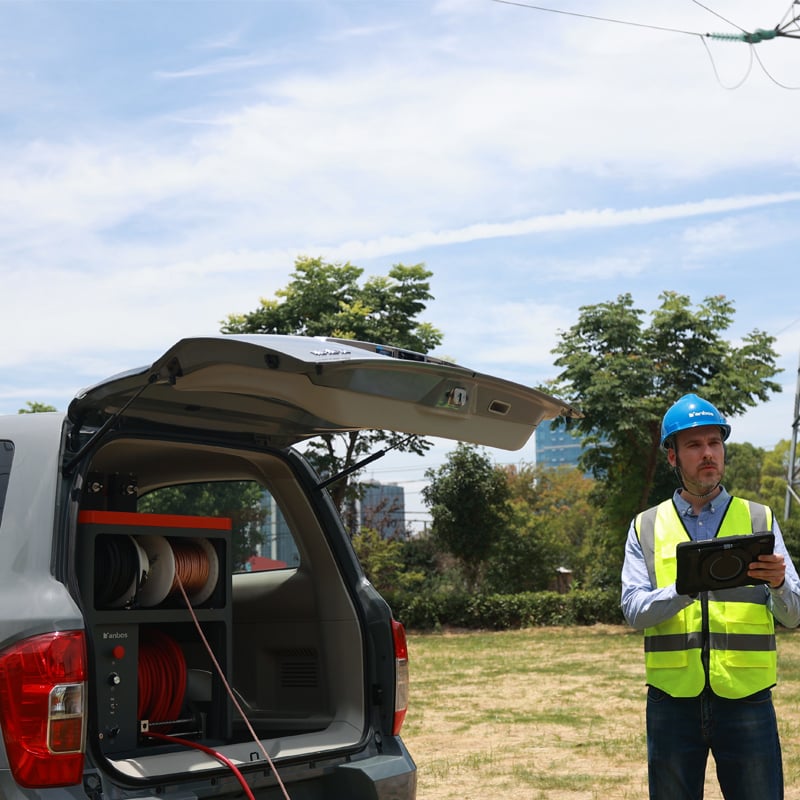
Utilities and Energy Sector: Utility companies rely heavily on these systems to monitor and maintain underground cables, ensuring continuous power supply and quickly addressing outages or cable fault location to minimize service disruptions.
Telecommunications: In the telecommunications industry, underground cable fault detection systems are essential for maintaining the integrity of communication networks, allowing for rapid identification of faults that could disrupt service.
Transportation: Transportation infrastructure, including railways and subways, benefits from these systems to ensure reliable power supply and communication lines, essential for safety and operational efficiency.
Manufacturing Facilities: Many manufacturing plants utilize underground cables for power distribution. Fault detection systems help identify issues before they lead to costly downtime or equipment damage.
Understanding the applications of these systems can aid buyers in identifying the most suitable solutions for their specific industry needs, ensuring that they invest in technology that aligns with their operational objectives.
 AR
 HR
 CS
 NL
 FR
 DE
 EL
 HI
 IT
 JA
 KO
 NO
 PL
 PT
 RO
 RU
 ES
 SV
 TL
 IW
 ID
 SR
 SK
 UK
 VI
 ET
 HU
 TH
 TR
 FA
 MS
 GA
 HY
 AZ
 UR
 BN
 LA
 MN
 KK