A company of Xianheng international
 EN
A company of Xianheng international
EN
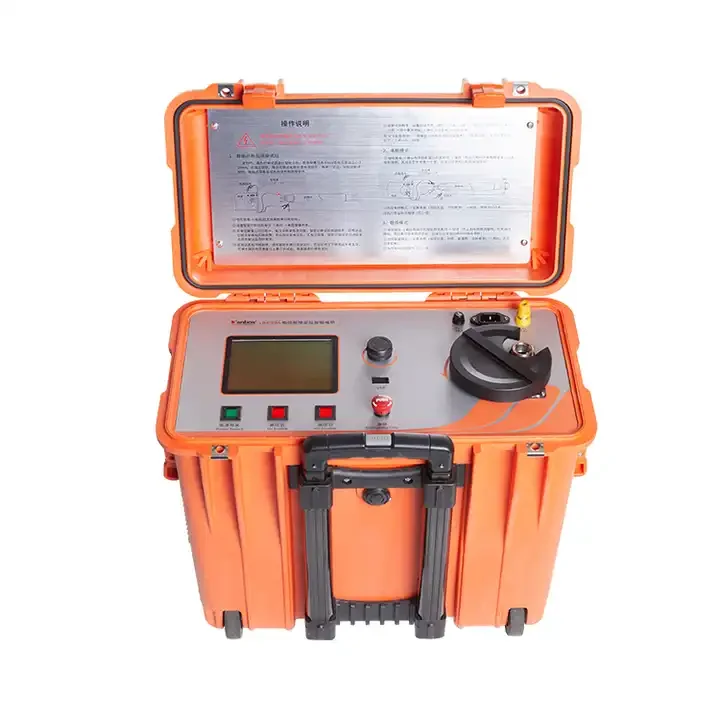
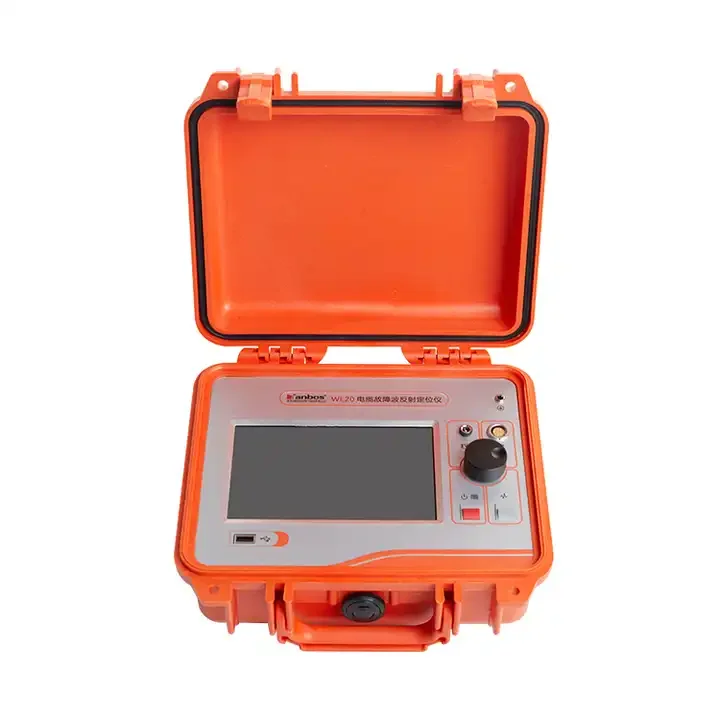
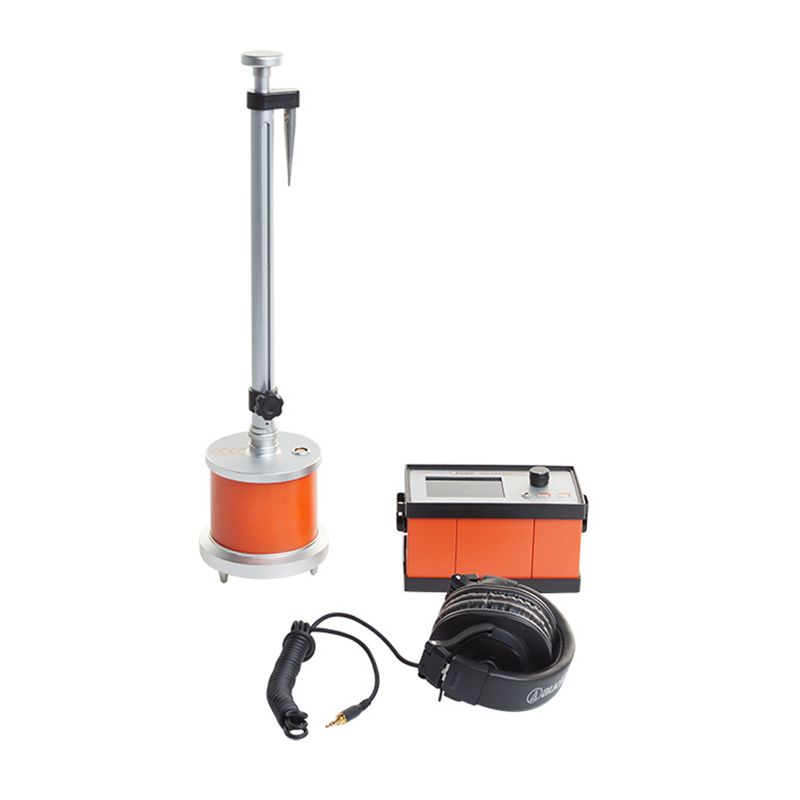
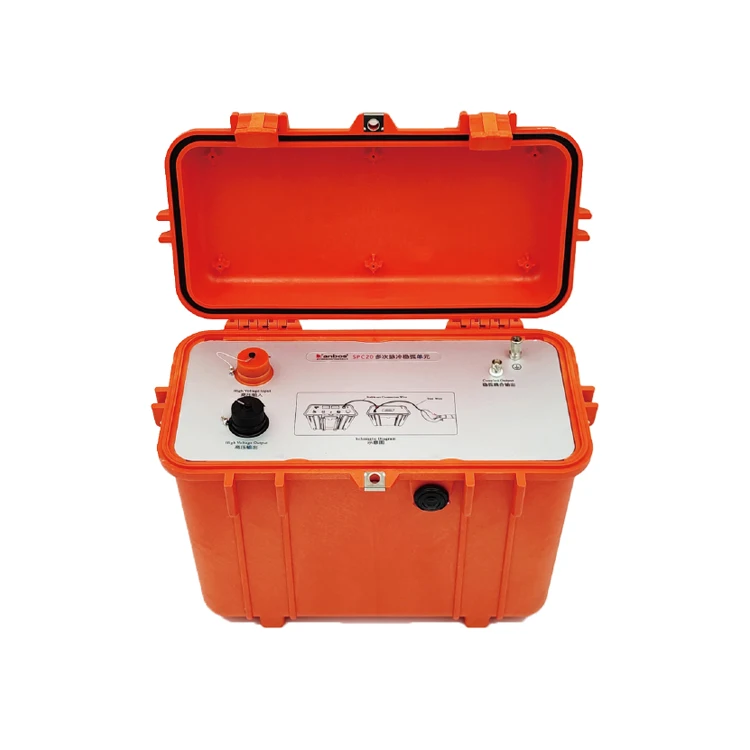
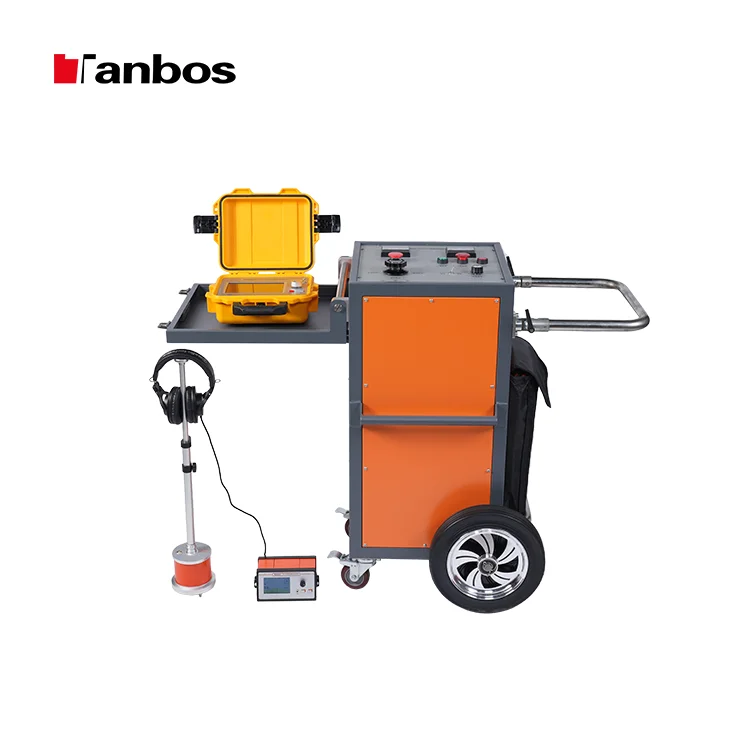
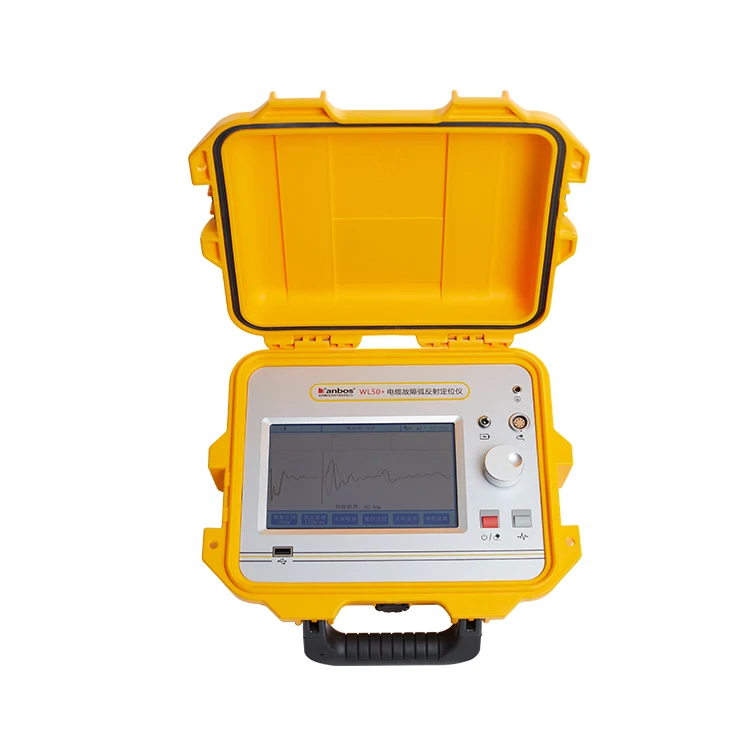
Tanbos Underground electrical line cable tracers and locators are essential tools for locating and diagnosing faults in buried electrical cables and lines. These devices enhance safety and efficiency in installation and maintenance by providing precise information about the location of electrical lines, thereby preventing accidental damage during excavation and construction activities. As a purchasing manager or engineer, understanding the specifications, sourcing options, common installation issues, applications, and quality control measures for these tracers will help you make informed decisions that meet your operational needs
When selecting an underground Tanbos electrical line tracer and Cable Identification, several key specifications warrant careful consideration. Firstly, the frequency range is critical; most tracers operate in the Hz to kHz range, which affects their ability to detect different types of cables and underground utilities. A device with a wider frequency range can enhance detection accuracy
Secondly, the depth capability of the tracer is essential. Some models can accurately trace lines buried up to several meters deep, while others may be limited to shallower installations. This depth rating should align with the typical installation scenarios your projects encounter
Moreover, the sensitivity of the tracer is another vital specification. Higher sensitivity allows for better detection of signals in environments with a lot of interference. This is particularly important in urban areas where multiple utilities may be present
Buyers should also consider the ergonomics and usability of the device. Features like display clarity, ease of navigation through settings, and battery life can significantly impact operational efficiency in the field
Sourcing reliable underground Tanbos electrical line tracers and cable thumper wholesale requires identifying trustworthy manufacturers and suppliers. Established companies with a robust reputation in the industry, such as Tanbos, which specializes in research and development of electrical detection equipment, are often the best choices. These manufacturers provide comprehensive product specifications and support, enabling you to make informed purchasing decisions
It's advisable to request samples or demonstrations before committing to a bulk order. This allows you to evaluate the performance and usability of the tracer under your specific conditions. Additionally, attending industry trade shows or conferences can provide opportunities to meet suppliers face-to-face, fostering better relationships and understanding of their product offerings
When negotiating wholesale agreements, consider factors such as minimum order quantities (MOQs), lead times, and the availability of customization options to meet your specific operational needs
Installing underground electrical line tracers can present several challenges. One common issue is interference from other underground utilities, which can lead to false readings or signal loss. To mitigate this, operators should ensure that the tracer is set to the correct frequency for the line being detected and verify the surroundings for potential interference sources
Another frequent problem is insufficient depth detection. If a tracer is unable to detect lines buried deeply, it may be due to settings not being adjusted correctly or the need for a more advanced model. In such cases, consulting the user manual or reaching out to the manufacturer for troubleshooting can provide guidance
Additionally, improper calibration of the tracer can lead to inaccurate readings. Regular calibration checks and maintenance are essential for ensuring reliability. Operators should establish a routine for calibration based on usage frequency and environmental conditions
Underground electrical line tracers are applicable across numerous industries, each leveraging the technology for enhanced safety and operational efficiency. In the construction industry, tracers are vital for mapping out existing electrical lines before digging, thus preventing accidental damage that can lead to costly delays
In telecommunications, these devices are used to locate fiber optic cables, ensuring that maintenance and installation work does not disrupt service. Utility companies also rely on line tracers to maintain and inspect their infrastructure, helping to prevent outages and ensure compliance with safety regulations
Moreover, municipalities utilize underground tracers for planning and managing public works projects, ensuring that underground utilities are accurately mapped and maintained. Their versatility in application makes them an invaluable tool for any operation dealing with buried infrastructure
As an innovative technology enterprise, we integrate R&D, technical training, application support, and sales to provide a comprehensive, end-to-end solution for cable diagnostics.
We concentrate our efforts on developing cutting-edge cable diagnostic technologies, enabling precise early warning and reliable fault diagnosis for enhanced grid safety and efficiency.
With over 15 years of focused experience in cable detection and testing since 2007, we have built deep expertise in the R&D and manufacturing of intelligent early-warning and fault-diagnosis equipment for cables and overhead lines.
Positioned as "Cable Diagnostic Experts at Your Side," we provide professional, trusted technology and support to clients, backed by strong industry credibility and a track record of innovation.
Quality control is critical in the manufacturing of underground electrical line tracers to ensure reliability and performance. At Tanbos, we implement stringent testing protocols throughout the production process to guarantee that each device meets specific performance standards
The manufacturing process should include rigorous testing of the sensitivity and accuracy of the tracers. This often involves simulating various environmental conditions to ensure that the devices perform reliably under different circumstances
Additionally, it's essential to verify that materials used in production are high-quality and suitable for the intended application. This means sourcing components that can withstand the rigors of field use, including exposure to varying temperatures and moisture levels
Certification from recognized standards organizations can also signal quality assurance. Buyers should inquire about any certifications the manufacturer holds, as these can indicate a commitment to maintaining high manufacturing standards
By focusing on these quality control measures, buyers can better assess the reliability and durability of the underground electrical line tracers they are considering, ensuring they make a worthwhile investment for their operational needs
 AR
 HR
 CS
 NL
 FR
 DE
 EL
 HI
 IT
 JA
 KO
 NO
 PL
 PT
 RO
 RU
 ES
 SV
 TL
 IW
 ID
 SR
 SK
 UK
 VI
 ET
 HU
 TH
 TR
 FA
 MS
 GA
 HY
 AZ
 UR
 BN
 LA
 MN
 KK