A company of Xianheng international
 EN
A company of Xianheng international
EN
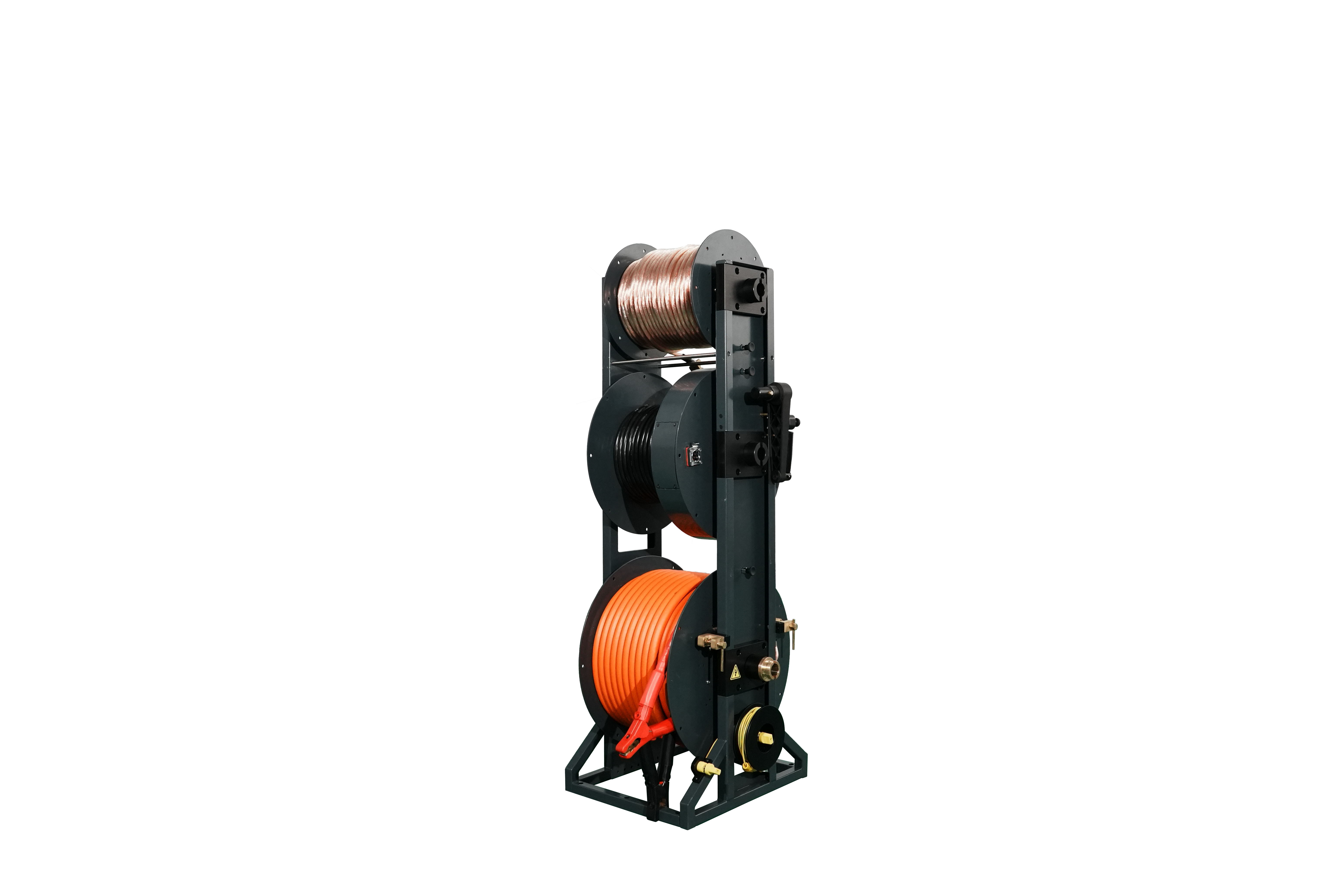
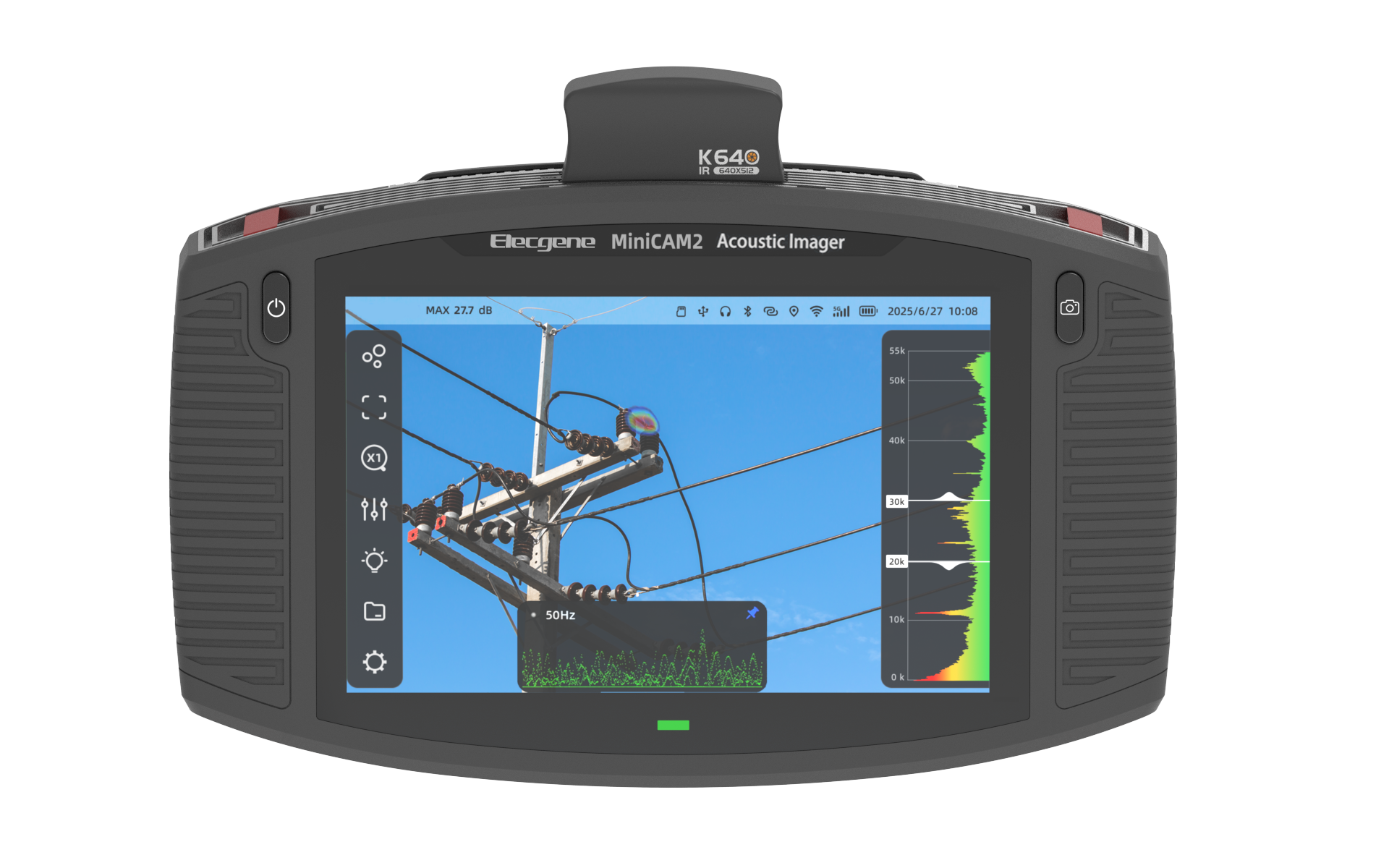
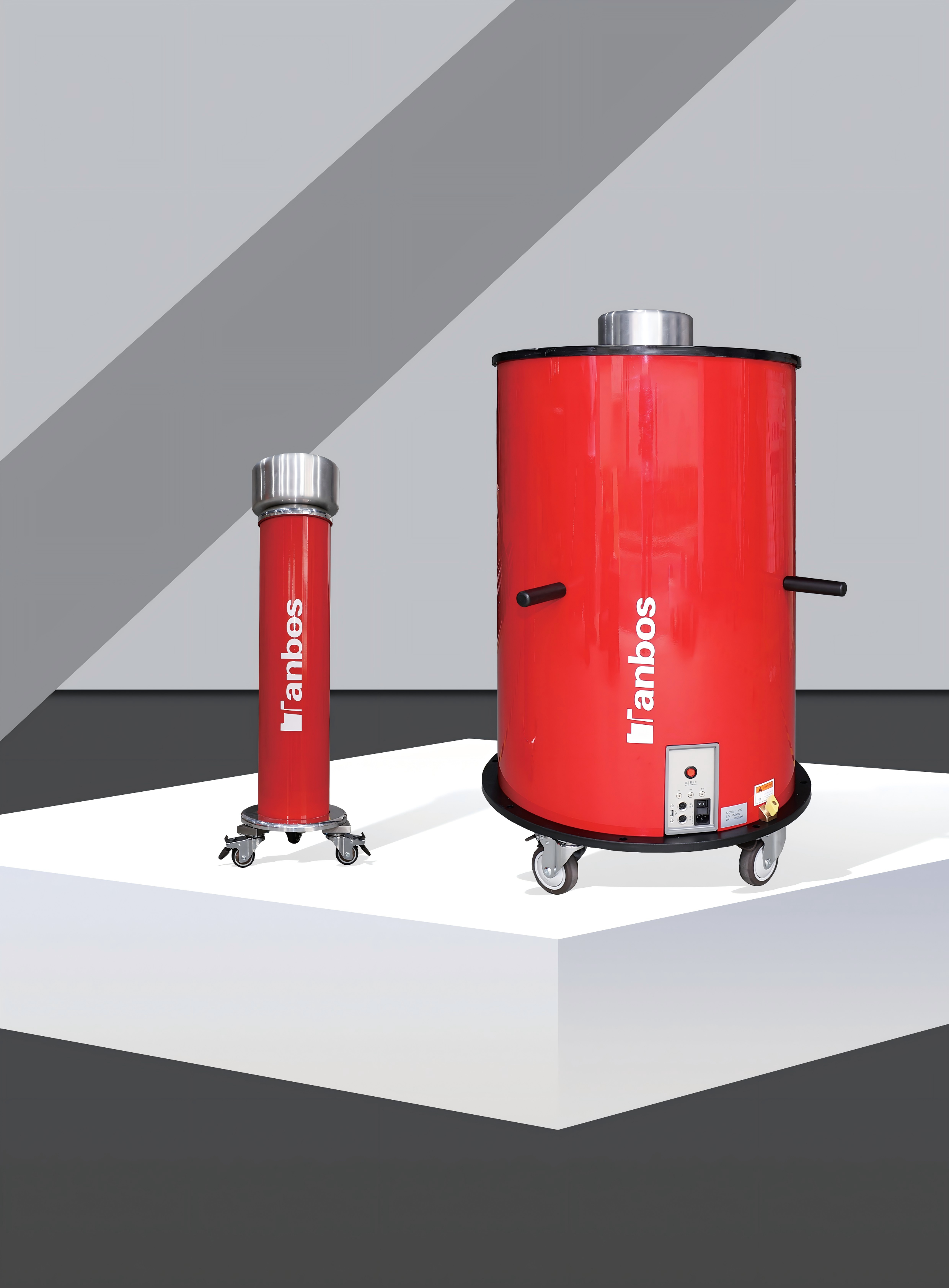
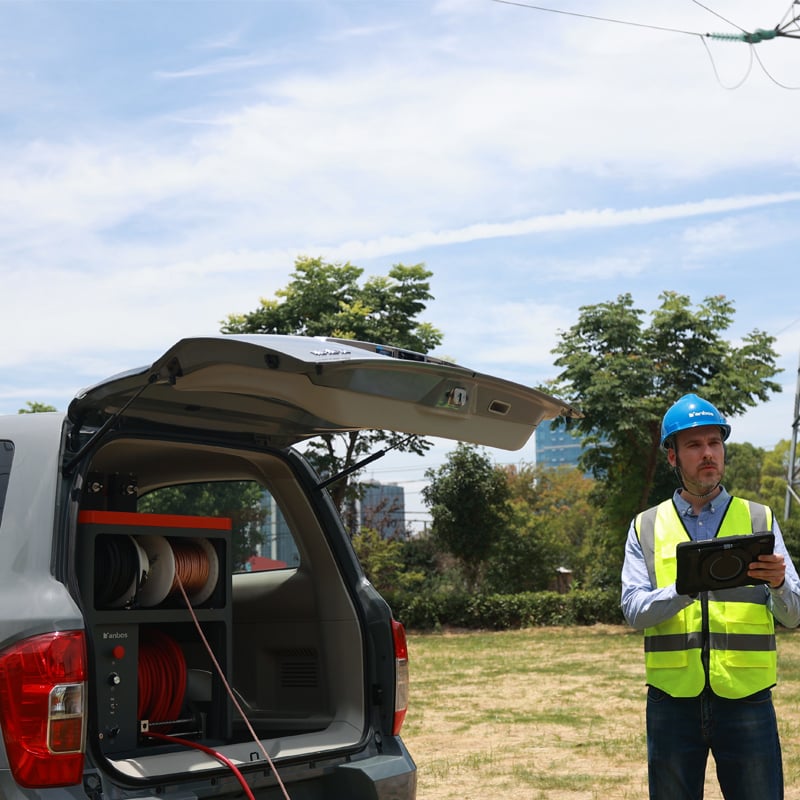
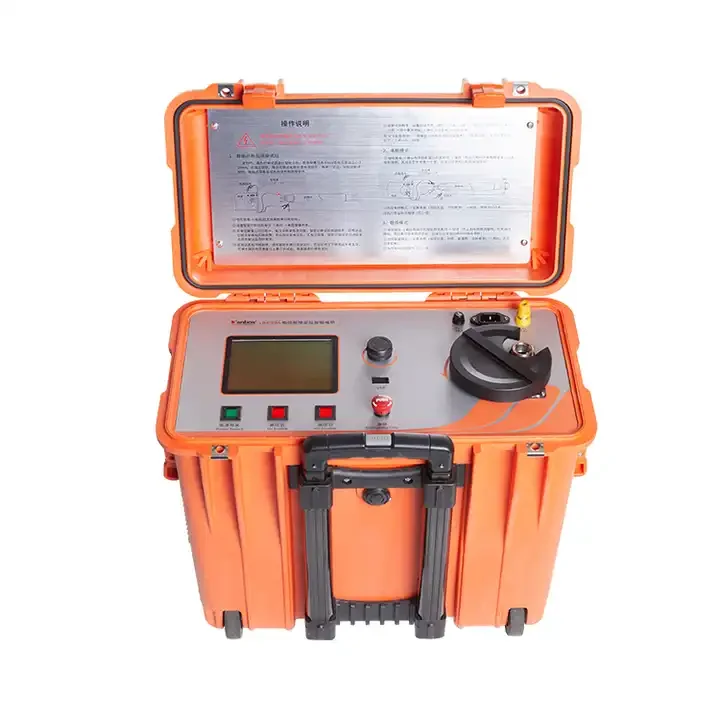
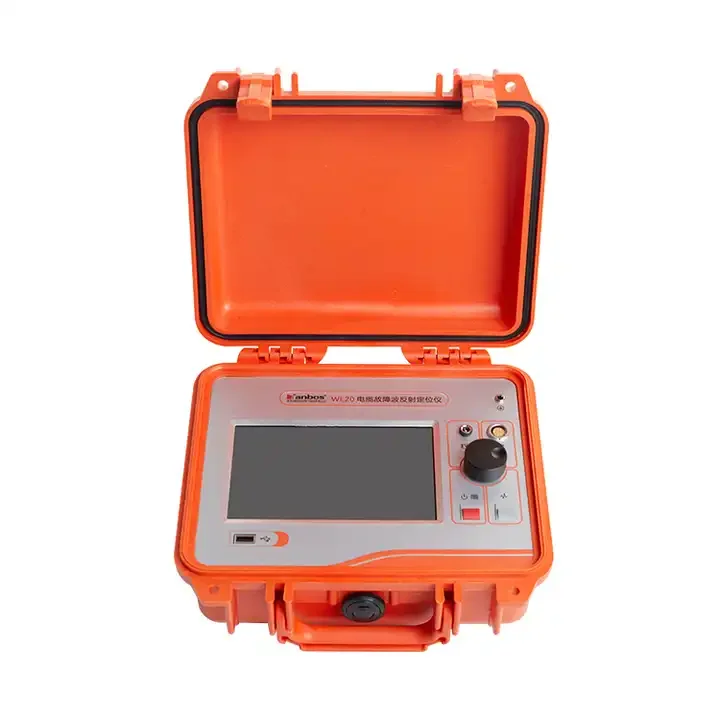
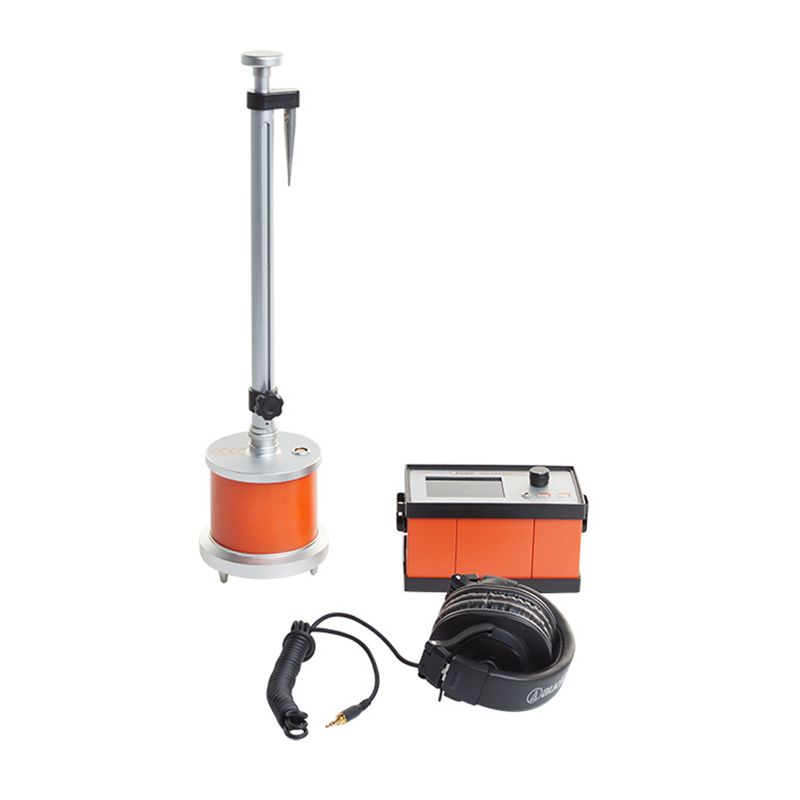
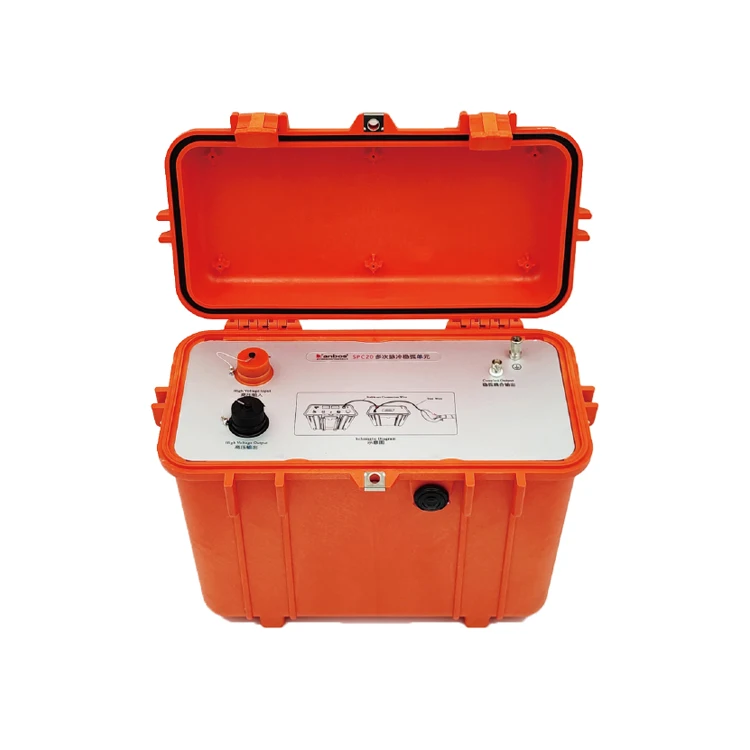
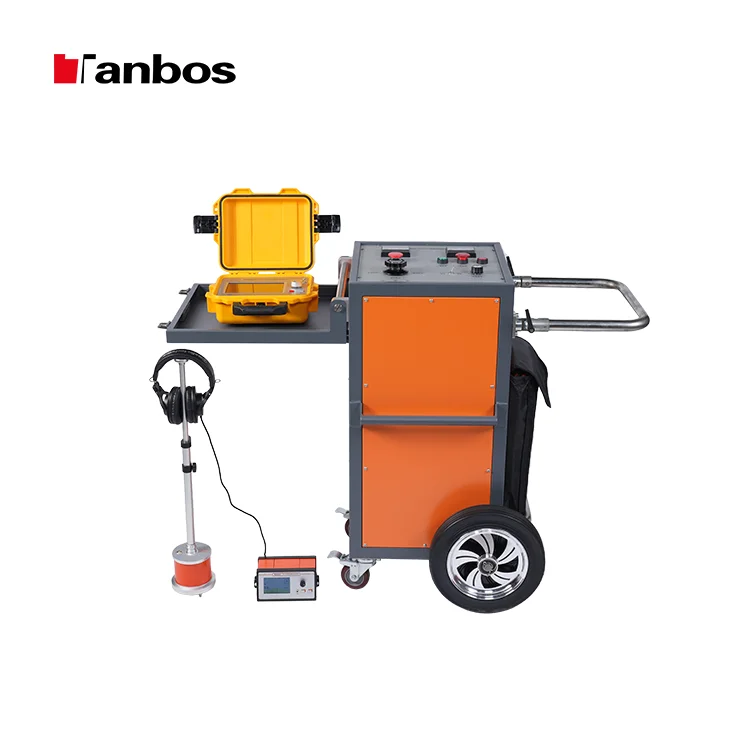
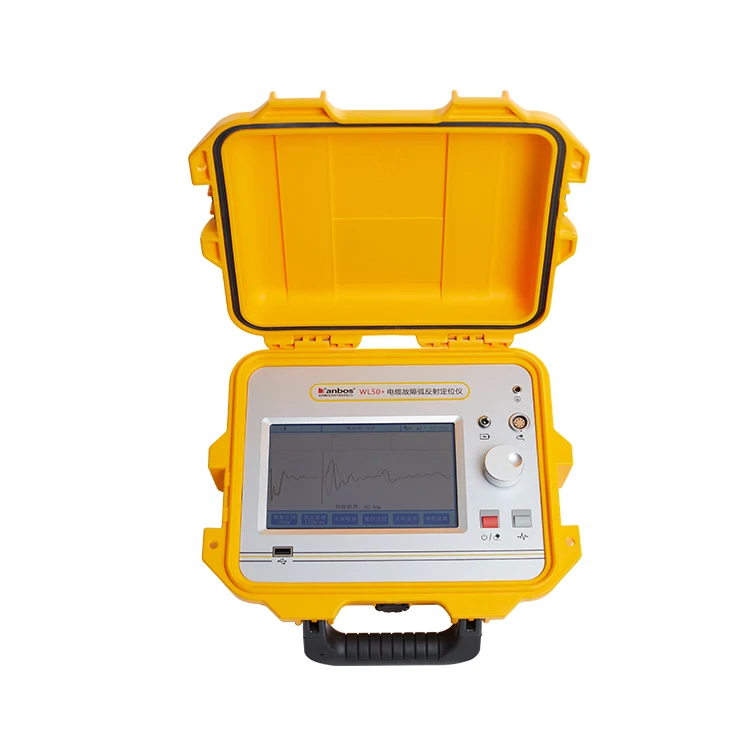
Underground utility locating equipment is essential for identifying and mapping the location of buried utilities, such as cables and pipes. For B2B buyers—including purchasing managers, engineers, and project managers—understanding the various options available is critical. This article will explore how to choose the right best underground cable fault locator for sale, where to find reliable suppliers, installation guidance, common issues, and cost factors to consider before making a purchase.
When selecting Tanbos underground utility locating equipment, it’s important to consider the specific requirements of your projects. Key factors include:
Type of Locating Technology: There are various technologies available, including electromagnetic (EM) detection, ground-penetrating radar (GPR), and acoustic methods. EM detection is common for underground cable fault locator, while GPR is effective in identifying non-metallic utilities like PVC pipes.
Depth and Accuracy: Assess the depth at which utilities are buried in your area and the required accuracy. Some equipment can detect utilities at greater depths but may come at a higher cost.
Ease of Use: Consider user-friendliness, especially if your team will be operating the equipment. Features such as intuitive interfaces, lightweight designs, and battery efficiency can significantly enhance usability.
Durability and Environmental Resistance: Equipment used in outdoor settings should withstand various environmental conditions. Look for models with robust construction and appropriate IP ratings for dust and water resistance.
Customization Options: Depending on your specific operational needs, some manufacturers offer customization capabilities, allowing you to tailor features and specifications to better suit your projects.
Identifying reliable suppliers of underground utility locating equipment is crucial for ensuring quality and performance. Here are some strategies for finding reputable vendors:
Industry Directories and Trade Shows: Utilize industry-specific directories and attend trade shows related to construction and utility management. These platforms often showcase leading manufacturers and their latest technologies.
Online Research and Reviews: Look for suppliers online, focusing on customer reviews and testimonials. Websites such as LinkedIn can provide insights into company reputation and customer satisfaction.
Recommendations from Industry Peers: Networking with other industry professionals can yield valuable recommendations. Peer experiences often highlight suppliers that deliver quality products and reliable customer service.
Request for Quotations (RFQs): When contacting potential suppliers, request detailed RFQs that include product specifications, pricing, and lead times. This will help you compare offerings and make informed decisions.
Proper installation is critical to the effectiveness of Tanbos underground utility locating equipment. Here are key considerations for installation:
Site Preparation: Ensure the site is clear of debris and obstacles that could interfere with the equipment's operation. This may involve marking boundaries and identifying any known utilities in the vicinity.
Calibration: Before use, calibrate the equipment according to the manufacturer's instructions. Proper calibration ensures accurate readings and extends the life of the device.
Training: Investing in training for personnel on how to operate the equipment effectively is essential. Familiarity with features, settings, and troubleshooting can greatly impact operational efficiency.
Testing Pre-Deployment: Conduct test runs to ensure that the equipment functions correctly before actual deployment. This helps identify any issues that might have been overlooked during setup.
Even with the best equipment, common problems can arise during underground utility locating. Here are some challenges and suggested solutions:
Interference from Nearby Utilities: Electromagnetic interference from nearby utilities can lead to inaccurate readings. To mitigate this, use frequency filters or select alternative frequencies that reduce interference.
Depth Misinterpretation: Misreading the depth of utilities can occur, especially with GPR. It is advisable to confirm depth readings through physical verification whenever possible, especially for critical projects.
Environmental Factors: Soil type and moisture content can affect detection capabilities. It’s important to choose equipment that is suited for the specific environmental conditions of the site.
Equipment Malfunction: Regular maintenance is essential to ensure equipment reliability. Establish a routine inspection schedule, and keep spare parts on hand to minimize downtime.
As an innovative technology enterprise, we integrate R&D, technical training, application support, and sales to provide a comprehensive, end-to-end solution for cable diagnostics.
With over 15 years of focused experience in cable detection and testing since 2007, we have built deep expertise in the R&D and manufacturing of intelligent early-warning and fault-diagnosis equipment for cables and overhead lines.
Positioned as "Cable Diagnostic Experts at Your Side," we provide professional, trusted technology and support to clients, backed by strong industry credibility and a track record of innovation.
We concentrate our efforts on developing cutting-edge cable diagnostic technologies, enabling precise early warning and reliable fault diagnosis for enhanced grid safety and efficiency.
Understanding the cost factors associated with Tanbos underground utility locating equipment is essential for budgeting. Key considerations include:
Initial Purchase Price: Evaluate the upfront cost of the equipment, which can vary significantly based on technology and features. While it may be tempting to choose the cheapest option, consider long-term value and reliability.
Operational Costs: Factor in ongoing costs such as maintenance, calibration, and training. Higher-quality equipment may have lower operational costs due to durability and reduced need for repairs.
Customization and Accessories: If customization options are available, they may add to the initial cost. Additionally, consider the costs of necessary accessories, such as software for data analysis or additional sensors.
Resale Value: Assess the potential resale value of the equipment. Some brands retain value better than others, which can be an important factor if you plan to upgrade in the future.
In summary, selecting the right underground utility locating equipment for sale requires a thorough understanding of your specific needs, reliable supplier sources, and the proper installation and maintenance practices. By considering these factors, you can make informed purchasing decisions that enhance the efficiency and effectiveness of your underground electrical fault locator efforts.
 AR
 HR
 CS
 NL
 FR
 DE
 EL
 HI
 IT
 JA
 KO
 NO
 PL
 PT
 RO
 RU
 ES
 SV
 TL
 IW
 ID
 SR
 SK
 UK
 VI
 ET
 HU
 TH
 TR
 FA
 MS
 GA
 HY
 AZ
 UR
 BN
 LA
 MN
 KK