A company of Xianheng international
 EN
A company of Xianheng international
EN
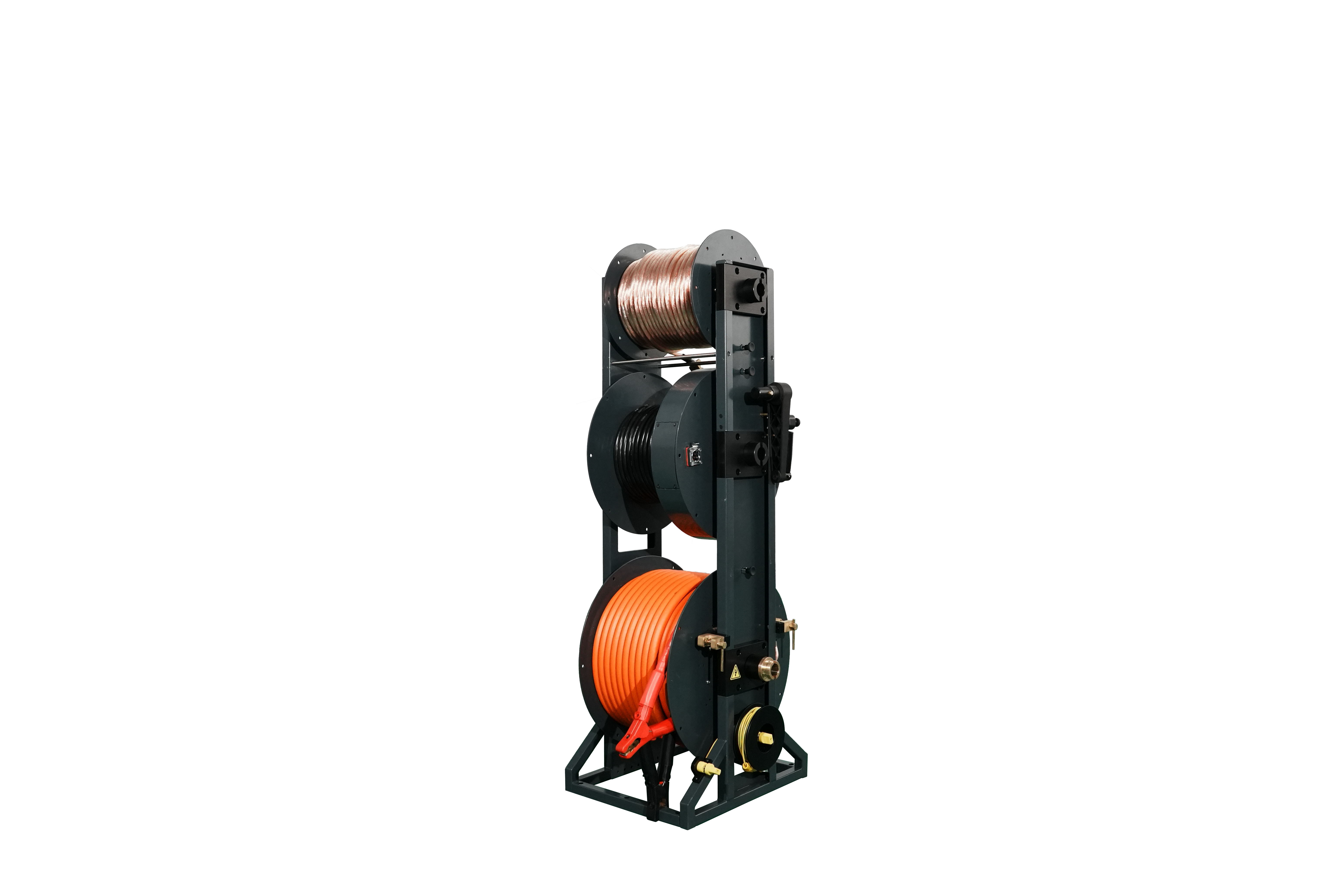
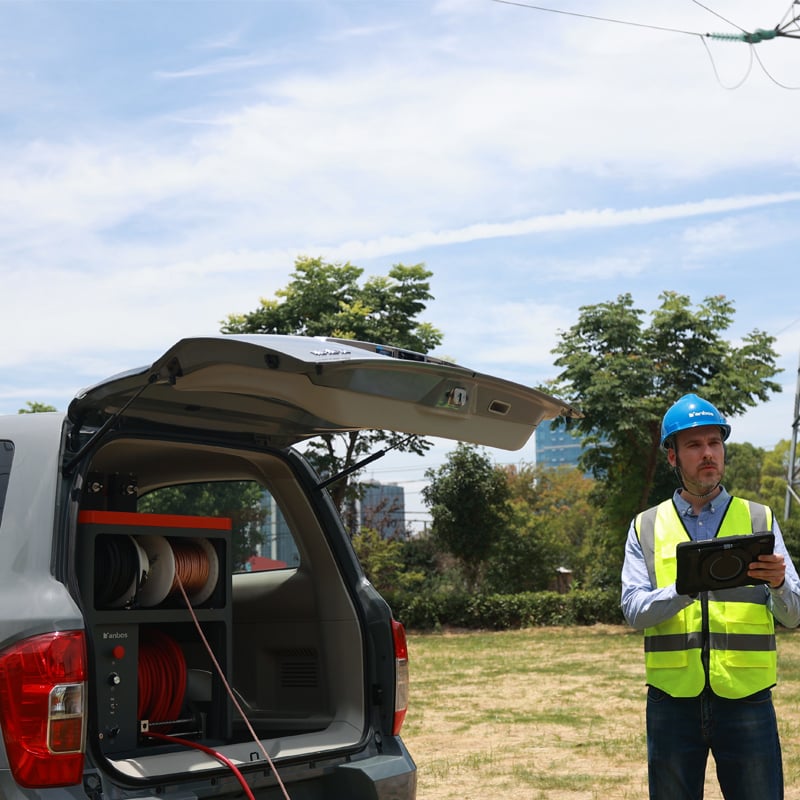
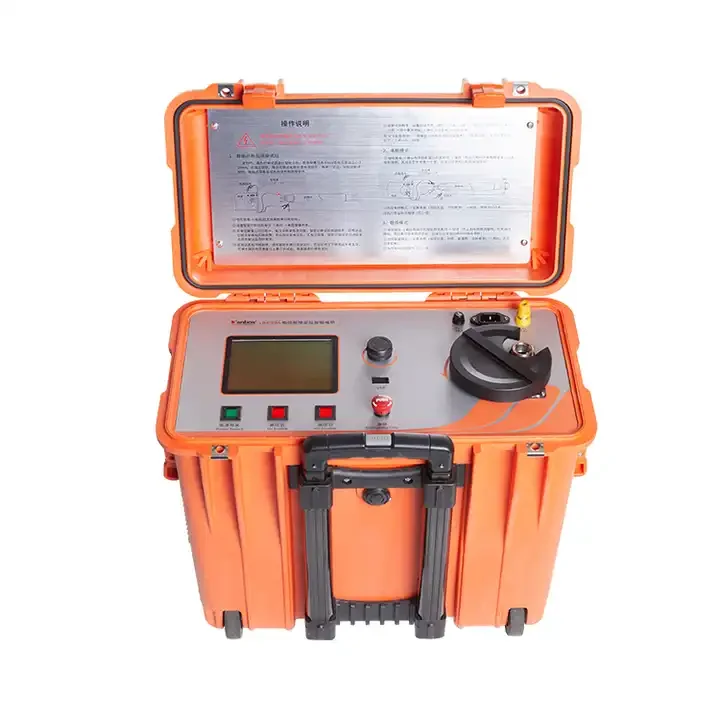
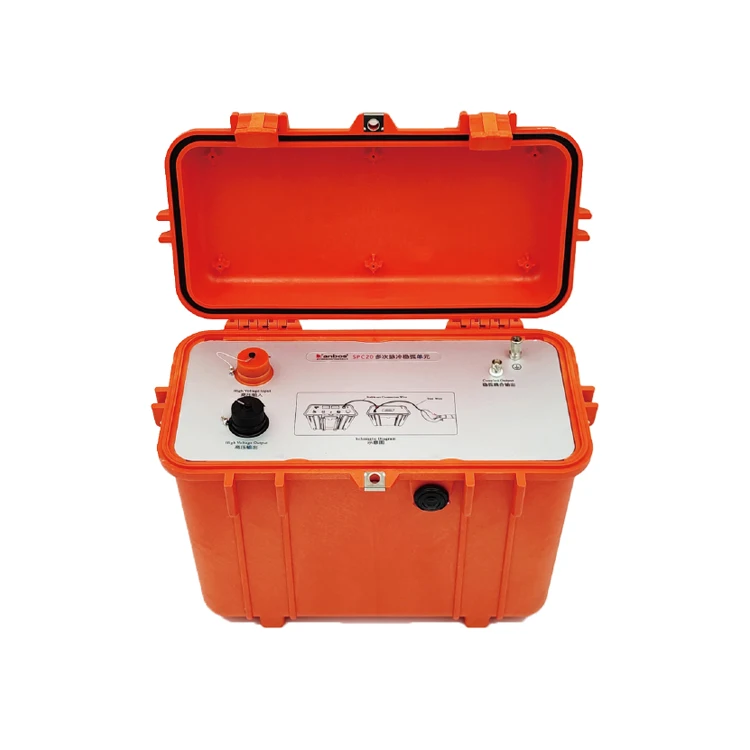
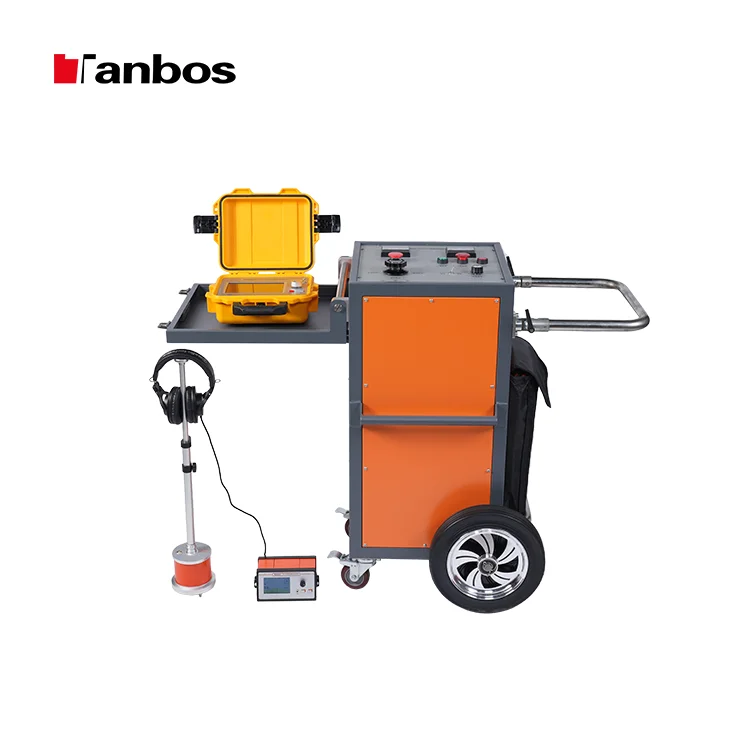
Van mounted cable fault locators are essential for utility providers and contractors, enabling efficient detection and diagnosis of faults in underground cables and overhead lines. As a B2B buyer, you might be concerned about the reliability, accuracy, and ease of use of these systems. This article aims to provide insights into what to consider when selecting a van mounted cable fault locator, key specifications that ensure reliability, common issues and solutions, installation guidance, and real-world applications in the field
When selecting a van mounted cable fault locator, several factors should be considered to ensure its effectiveness and suitability for your specific needs. Firstly, evaluate the type of cables you will be working with, as different locators have varying capabilities for detecting faults in specific cable types, such as low voltage, medium voltage, or high voltage cables
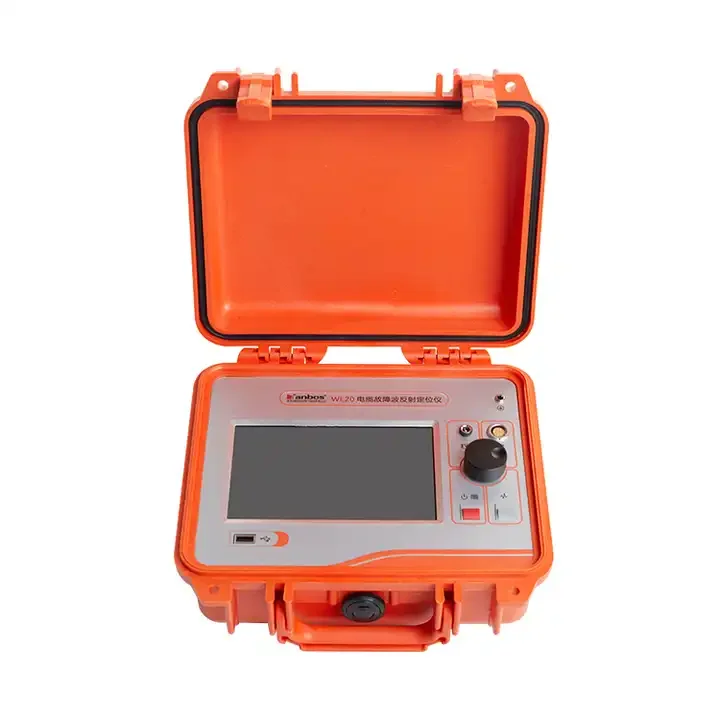
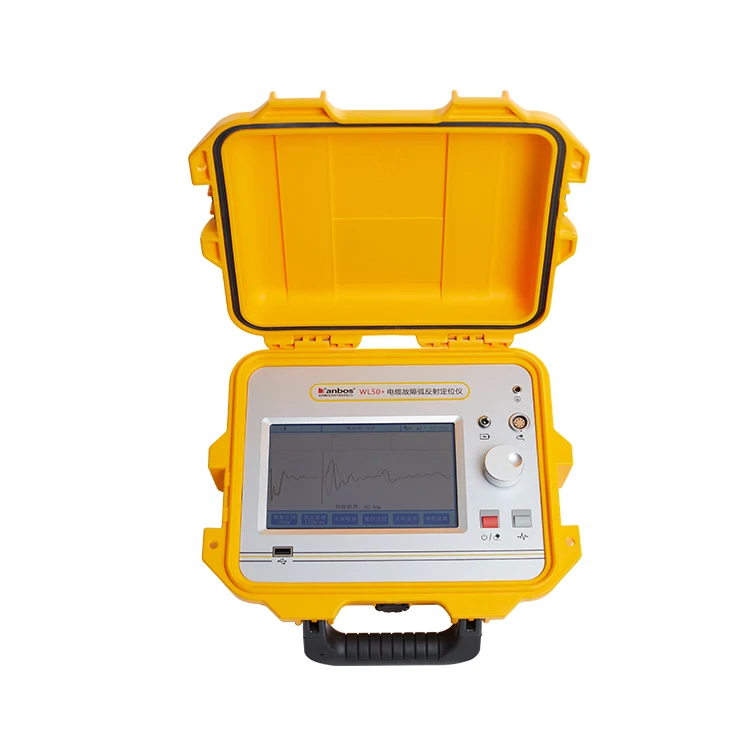
Next, assess the features of the locator. Look for models with advanced diagnostic capabilities, such as time-domain reflectometry (TDR), which can provide precise fault location information. Additionally, consider the ease of use, as a user-friendly interface can significantly reduce training time and increase efficiency in the field
Another important aspect is the durability and robustness of the equipment. Since the locator will be used in various environmental conditions, it should be resistant to moisture, dust, and impact. Finally, verify the manufacturer’s support and training options, as these resources can enhance operational efficiency and prolong the lifespan of the equipment
The reliability of a van mounted cable fault locator hinges on several key specifications that influence its performance
Accuracy: Look for locators that provide high accuracy in fault distance measurement. A tolerance of ±1% is generally considered acceptable, but better accuracy can lead to quicker and more efficient fault resolution
Operating Range: The locator should be capable of functioning effectively over a wide range of cable lengths. Ensure the model you consider can handle the maximum lengths you typically encounter in your operations
Power Source: Consider the power requirements of the locator. Battery-operated models offer portability but ensure that battery life is sufficient for your operational duration. Alternatively, models that can be connected to the vehicle's power supply may provide continuous operation
Interface and Communication: A user-friendly interface with clear displays and logging capabilities can significantly enhance operational efficiency. Models that support data transfer to other devices can help with record-keeping and further analysis
Weight and Size: Since the locator will be mounted in a vehicle, ensure that its size and weight are manageable for your team and do not compromise vehicle load limits
While electrical cable fault locators are vital tools, they can encounter several common issues. One frequent problem is false readings, which may occur due to poor connections or interference from nearby electrical equipment. To mitigate this, ensure that all connections are secure and that the equipment is calibrated correctly before use
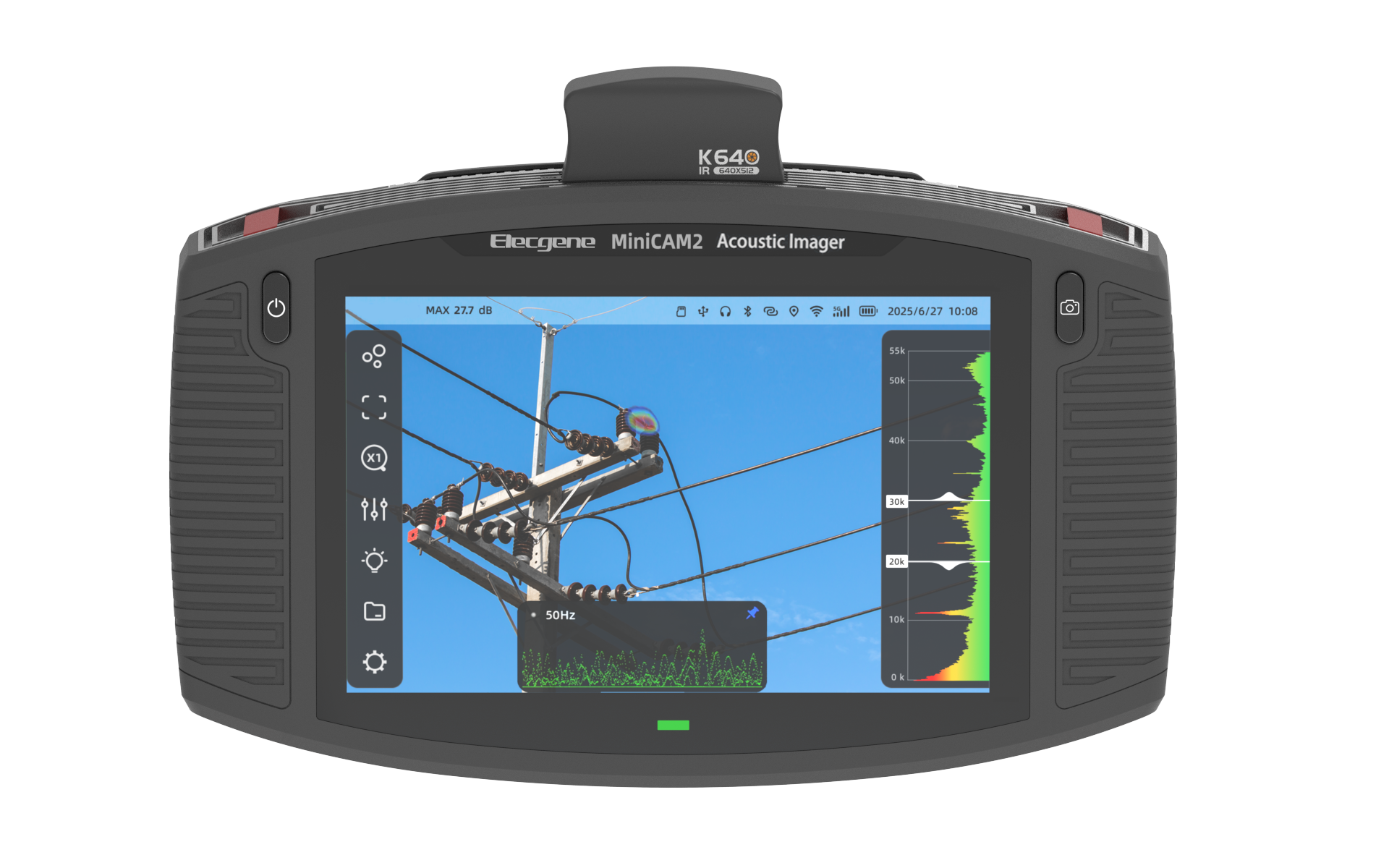
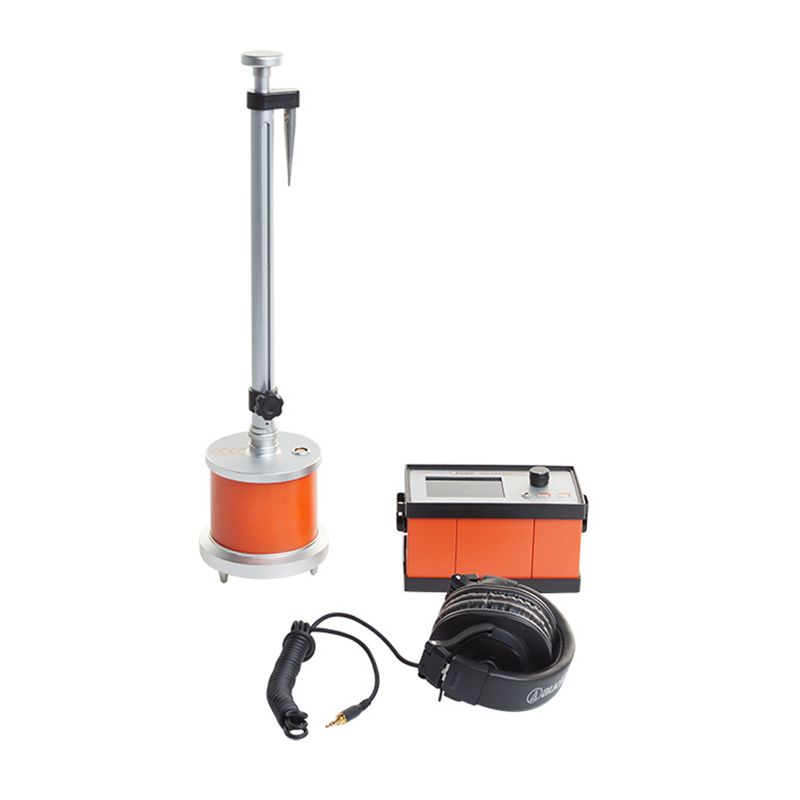
Another issue is the difficulty in locating faults in complex networks. In such cases, using a combination of techniques, such as TDR and acoustic methods, can improve accuracy. Training for operators is also crucial; ensuring that they understand how to interpret the data correctly can significantly reduce errors
Additionally, environmental factors such as moisture and temperature can affect the performance of the locator. Regular maintenance and inspection of the equipment can help detect and rectify these issues before they impact operations
Proper installation of a van mounted cable fault locator is essential for optimal performance. Start by selecting a suitable vehicle that can accommodate the locator and any additional equipment required for operation. Ensure that the mounting location allows for easy access and visibility for the operator
Follow the manufacturer’s installation guidelines closely, as they contain specific information about wiring, power connections, and securing the unit. It’s also advisable to conduct a pre-installation inspection of the vehicle to ensure that it meets the necessary specifications for weight and power supply
After installation, conduct a thorough testing procedure to confirm that the locator operates correctly. This should include checking all features, such as fault distance measurement and diagnostic capabilities, to ensure everything functions as intended
Positioned as "Cable Diagnostic Experts at Your Side," we provide professional, trusted technology and support to clients, backed by strong industry credibility and a track record of innovation.
As an innovative technology enterprise, we integrate R&D, technical training, application support, and sales to provide a comprehensive, end-to-end solution for cable diagnostics.
We concentrate our efforts on developing cutting-edge cable diagnostic technologies, enabling precise early warning and reliable fault diagnosis for enhanced grid safety and efficiency.
With over 15 years of focused experience in cable detection and testing since 2007, we have built deep expertise in the R&D and manufacturing of intelligent early-warning and fault-diagnosis equipment for cables and overhead lines.
Van mounted cable fault locators are employed across various sectors, including utility companies, telecommunications, and construction. In utility companies, these locators are crucial for quickly identifying faults in power distribution networks, minimizing downtime, and ensuring reliable service delivery
In telecommunications, they can be used to diagnose issues in underground fiber optic cables, helping maintain service quality and reduce repair times. Construction companies often utilize these locators to ensure safety and compliance by accurately identifying existing underground utilities before digging
Overall, the versatility of van mounted cable fault locator machine makes them invaluable tools for any organization involved in the installation, maintenance, and repair of cable networks. By investing in a reliable locator, your team can enhance operational efficiency and minimize disruption caused by cable faults
 AR
 HR
 CS
 NL
 FR
 DE
 EL
 HI
 IT
 JA
 KO
 NO
 PL
 PT
 RO
 RU
 ES
 SV
 TL
 IW
 ID
 SR
 SK
 UK
 VI
 ET
 HU
 TH
 TR
 FA
 MS
 GA
 HY
 AZ
 UR
 BN
 LA
 MN
 KK