A company of Xianheng international
 EN
A company of Xianheng international
EN
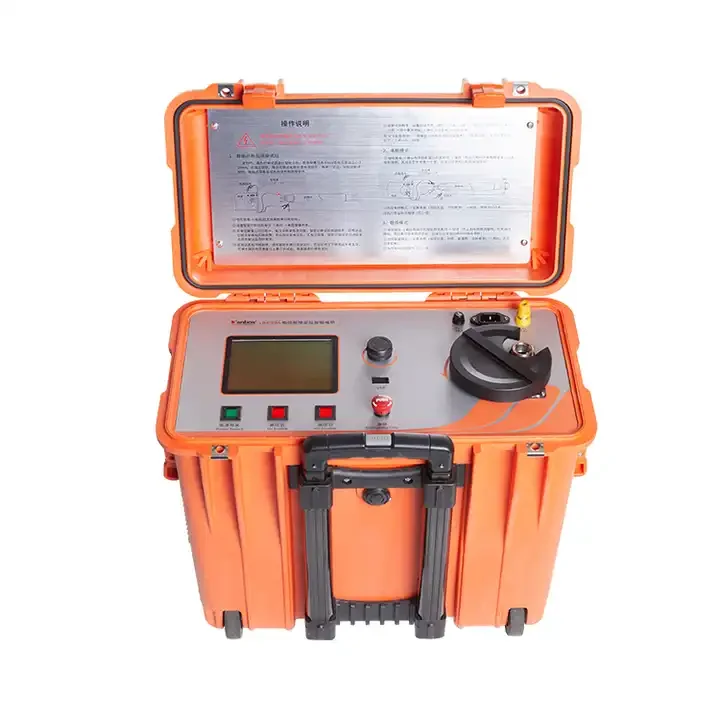
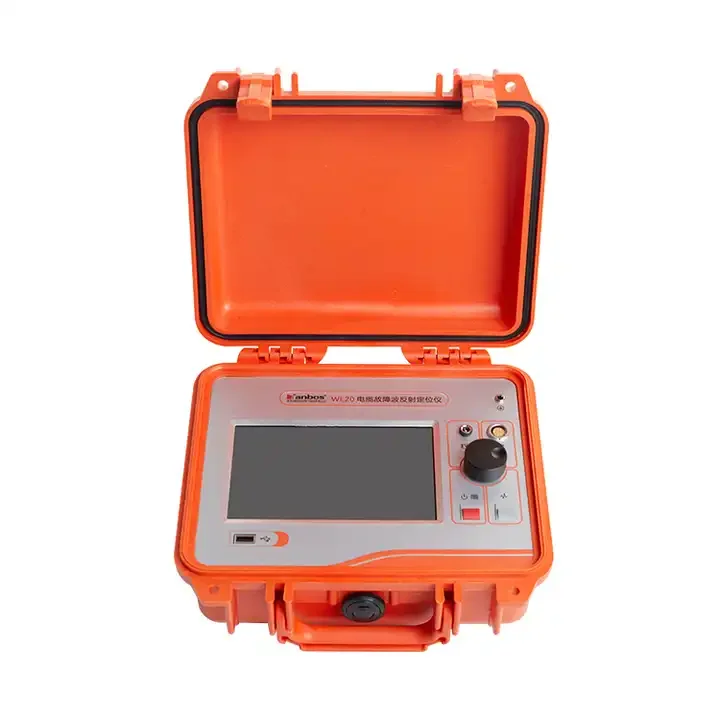
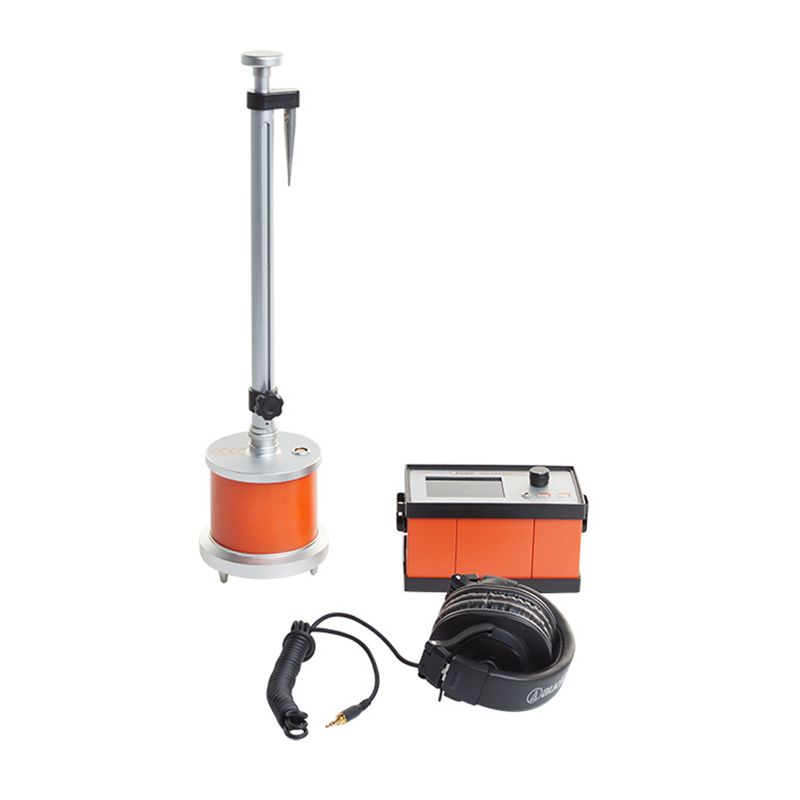
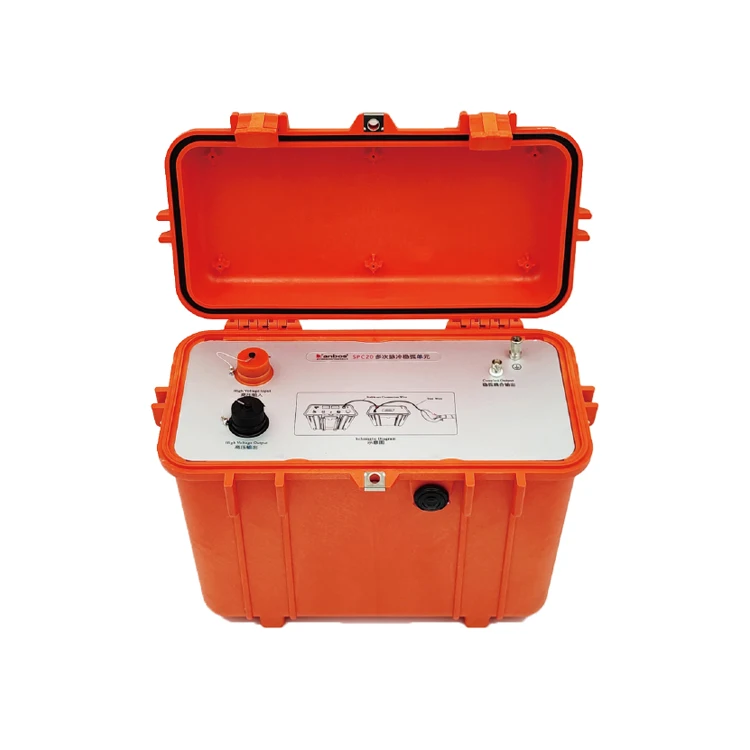
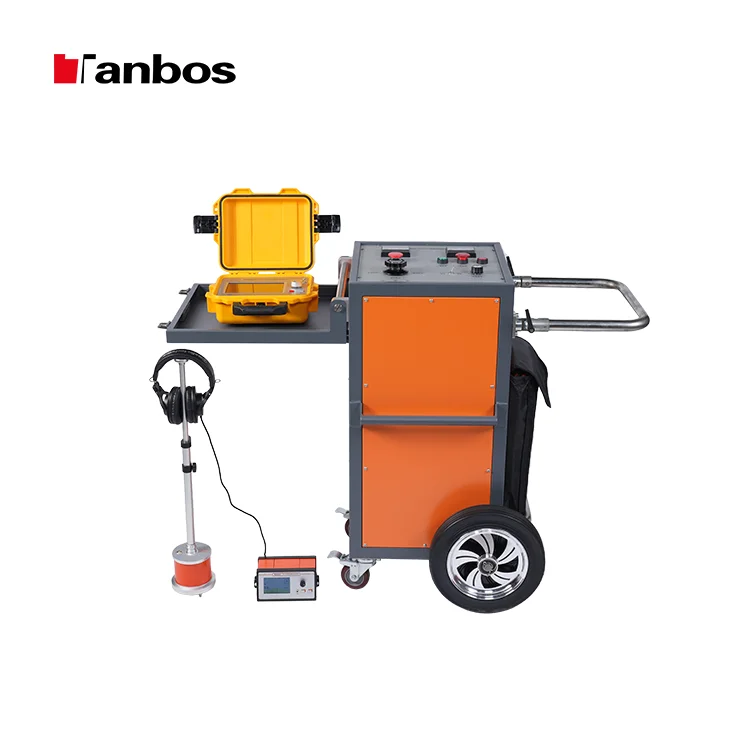
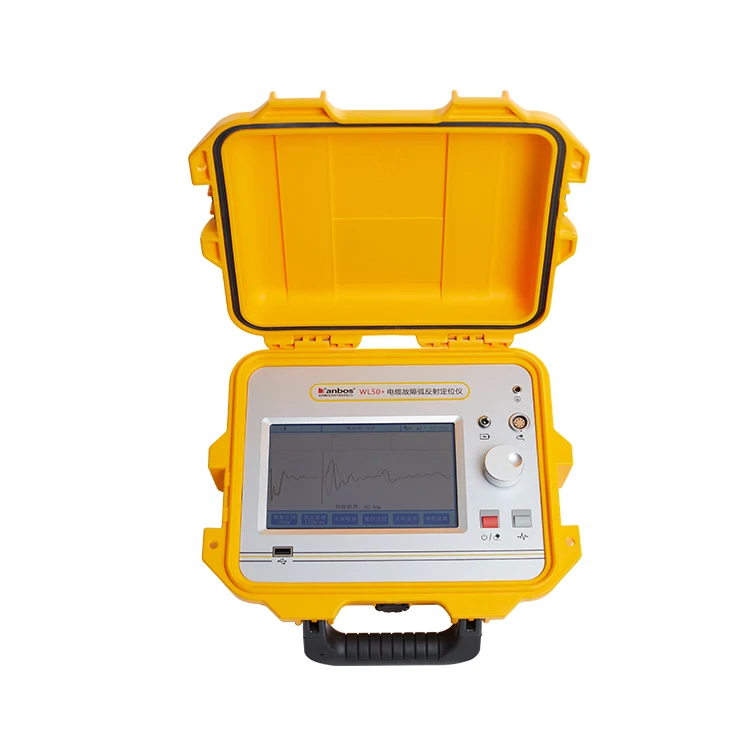
In the world of cable testing, TDR (Time Domain Reflectometer) cable testers play a crucial role in diagnosing issues and ensuring the integrity of electrical systems. The tdr time domain reflectometer cable tester allows professionals to identify faults in cables and overhead lines effectively. As a B2B buyer, understanding the specifications, quality control measures, and installation guidance for vlf cable tester is essential for making informed purchasing decisions. This article will provide insights into these areas, helping you evaluate your options and optimize project outcomes.
When selecting a TDR cable tester, several key specifications should be evaluated to ensure it meets your project requirements. These include:
Measurement Range: The ability to detect cable faults over various distances is crucial. A wider measurement range allows for more flexibility in application, particularly for long-distance cables.
Resolution: High resolution is essential for accurately pinpointing faults. A hv cable tester with a better resolution can identify issues more precisely, reducing downtime and increasing efficiency.
Impedance: Knowing the characteristic impedance of the cable being tested is important. The TDR should match this impedance to provide accurate reflections and measurements.
Signal Velocity: This parameter affects how quickly the tester can analyze the cable. A higher signal velocity can improve testing speed, which is beneficial for urgent maintenance tasks.
User Interface: An intuitive interface facilitates easier operation and quicker learning curves for new users. Features like graphical displays and data logging enhance usability.
Understanding these specifications helps buyers evaluate TDR cable testers and select models that best suit their operational needs.
Comparing TDR cable testers requires a systematic approach. Here’s how to effectively assess different models:
Feature Comparison: Create a checklist of essential features based on your project requirements. Compare models head-to-head on key specifications like measurement range, resolution, and user interface.
Brand Reputation: Look for manufacturers with a proven track record in producing reliable and accurate testing equipment. Evaluate customer reviews and case studies for insights into performance and support.
Customization Options: Consider whether the manufacturer offers customization for specific applications. Custom features can enhance the suitability of the tester for your unique requirements.
Warranty and Support: A robust warranty and reliable customer support can significantly influence your purchasing decision. Ensure the manufacturer offers adequate service post-purchase.
Training and Resources: Some manufacturers provide training and operational resources. This can be invaluable for teams unfamiliar with TDR technology, enhancing overall productivity.
By taking these factors into account, you can make a more informed choice and ensure your investment yields optimal project outcomes.
Quality control is paramount in the manufacturing of TDR cable testers. Here are key measures that reputable manufacturers, like Tanbos, should implement:
Material Verification: Ensuring that raw materials meet specific standards is the first step in quality control. This process involves thorough inspections and certifications to guarantee durability and performance.
Calibration Checks: Regular calibration of testing equipment is essential to maintain accuracy. A reliable manufacturer will have strict protocols for checking and recalibrating devices before they are shipped.
Functional Testing: Each unit should undergo functional testing to ensure it operates according to specifications. This includes verifying measurement accuracy and user interface responsiveness.
Compliance with Standards: Adherence to industry standards is crucial for quality assurance. Confirming that TDR equipment meets relevant regulatory and safety standards can prevent future issues.
Feedback Loops: Incorporating customer feedback into the quality control process allows manufacturers to continuously improve their products. This iterative process is vital for addressing common issues and refining technology.
By emphasizing these quality control measures, buyers can gain confidence in the reliability and performance of their TDR cable testers.
Proper installation of TDR systems is crucial for achieving accurate results. Here are practical steps to ensure a successful setup:
Site Assessment: Evaluate the installation environment. Factors such as temperature, humidity, and electromagnetic interference can affect performance. Ensure the site conditions align with the manufacturer’s recommendations.
Equipment Setup: Follow the manufacturer’s installation guidelines closely. This includes setting up the TDR unit, connecting it to the cable under test, and ensuring all cables are securely attached.
Calibration: Before conducting tests, calibrate the TDR according to the manufacturer’s instructions. This step is critical for ensuring accurate measurements and reliable fault detection.
Training for Operators: Provide comprehensive training for any personnel who will be using the equipment. Understanding how to operate the TDR effectively can prevent user errors and enhance testing accuracy.
Testing Protocols: Establish standardized testing protocols to maintain consistency. Documenting procedures helps ensure that all operators follow the same methodology, reducing variability in results.
By adhering to these installation guidelines, users can maximize the effectiveness of their TDR systems and ensure accurate data collection.
Positioned as "Cable Diagnostic Experts at Your Side," we provide professional, trusted technology and support to clients, backed by strong industry credibility and a track record of innovation.
As an innovative technology enterprise, we integrate R&D, technical training, application support, and sales to provide a comprehensive, end-to-end solution for cable diagnostics.
With over 15 years of focused experience in cable detection and testing since 2007, we have built deep expertise in the R&D and manufacturing of intelligent early-warning and fault-diagnosis equipment for cables and overhead lines.
We concentrate our efforts on developing cutting-edge cable diagnostic technologies, enabling precise early warning and reliable fault diagnosis for enhanced grid safety and efficiency.
Cost is a significant consideration when purchasing TDR cable testing equipment. Here are key factors to evaluate:
Initial Purchase Price: Compare the upfront costs of different TDR models. While lower-priced options may seem appealing, consider the specifications and features to avoid compromising quality.
Operating Costs: Assess ongoing costs associated with maintenance, calibration, and potential repairs. A more costly yet durable model may be more economical in the long run.
Customization Costs: If specific features or customizations are required, factor these costs into your budget. Custom solutions can provide significant advantages but may increase the overall price.
Training Expenses: Consider the costs associated with training personnel to use the TDR effectively. Investing in training can lead to better equipment utilization and fewer operational mistakes.
Resale Value: Evaluate the potential resale value of the equipment. High-quality vlf cable tester from reputable manufacturers typically retain value better than cheaper, less reliable options.
Understanding these cost factors will help buyers make informed decisions that align with their budget and project goals.
 AR
 HR
 CS
 NL
 FR
 DE
 EL
 HI
 IT
 JA
 KO
 NO
 PL
 PT
 RO
 RU
 ES
 SV
 TL
 IW
 ID
 SR
 SK
 UK
 VI
 ET
 HU
 TH
 TR
 FA
 MS
 GA
 HY
 AZ
 UR
 BN
 LA
 MN
 KK